


























AI Is Shifting Pharma Media’s Focus to the ‘Point of Answer’: Real Chemistry Report
Patients and HCPs are increasingly turning to AI tools for answers, not just information.


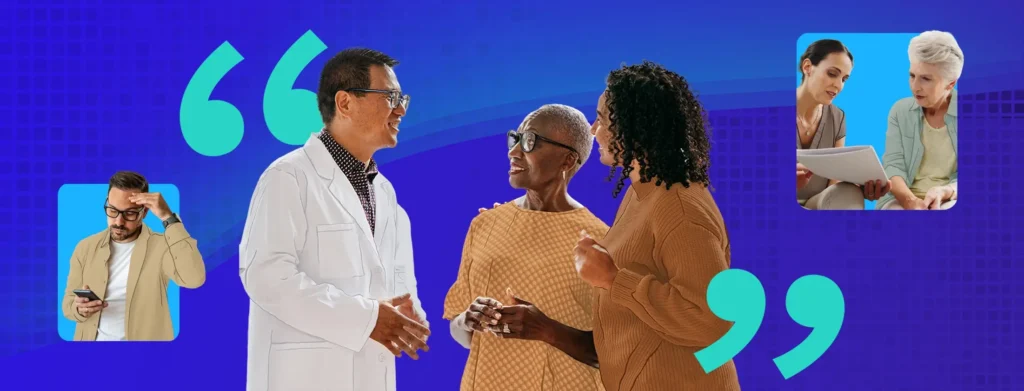
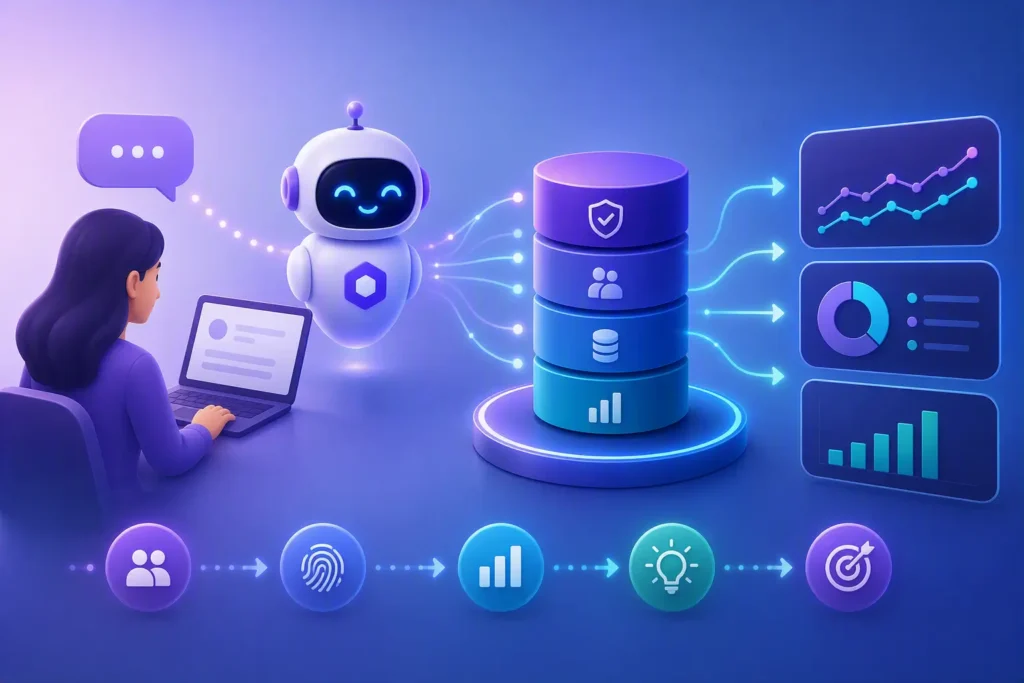
While pharma media has traditionally focused on providing patients and HCPs with information that they could then analyze, compare and evaluate to form opinions and preferences that answered their health questions, the industry must now contend with a changing model in which users look to AI search tools to do the analyses, comparisons and evaluations for them and provide fully formed answers up front.
That’s according to a new report from Real Chemistry, based on a survey of 525 patients and 370 HCPs in Australia, Brazil, Canada, France, Germany, Japan and the U.S.
The survey found that the vast majority of both groups have increased their health- or clinical practice-related AI use over the last year. And while trust in the platforms differs between patients and HCPs—with around 64% of patients and 46% of HCPs saying they trust AI—similar proportions of both groups, around 60% of each, said they’re shifting away from traditional search.
Patients are primarily turning to AI as an “interpreter,” according to the report. Most common uses among those surveyed were to help understand symptoms, conditions, medications and side effects, explain medical terminology and learn about treatment options.
For HCPs, meanwhile, AI is an “accelerator,” providing support in documentation, literature review, patient education, condition and treatment research and drug profile evaluation.
With these major shifts in information gathering and processing in mind, the report suggests that “the future will be won at the point of answer.” For pharma marketers, that means ensuring accuracy and consistency in paid, earned, shared and owned channels is becoming more crucial than ever as AI tools use that information to inform the answers presented to patient and HCP users’ queries.
solli’s Final Thoughts
Pharma media is increasingly moving from competing for attention to competing for inclusion in AI-generated answers.
As patients and HCPs alike continue to rapidly increase their AI search use—and as their trust in the tools continues to grow—marketers will need to prioritize accurate, consistent and machine-readable information across channels so AI platforms can reliably interpret and surface it.
Ultimately, success will depend on whether brands become trusted inputs at the “point of answer,” not simply whether their content ranks highly in search results.