




















Do Healthcare Marketers Need a New Operating System?
A dive into an industry-shaping conversation with leading agencies

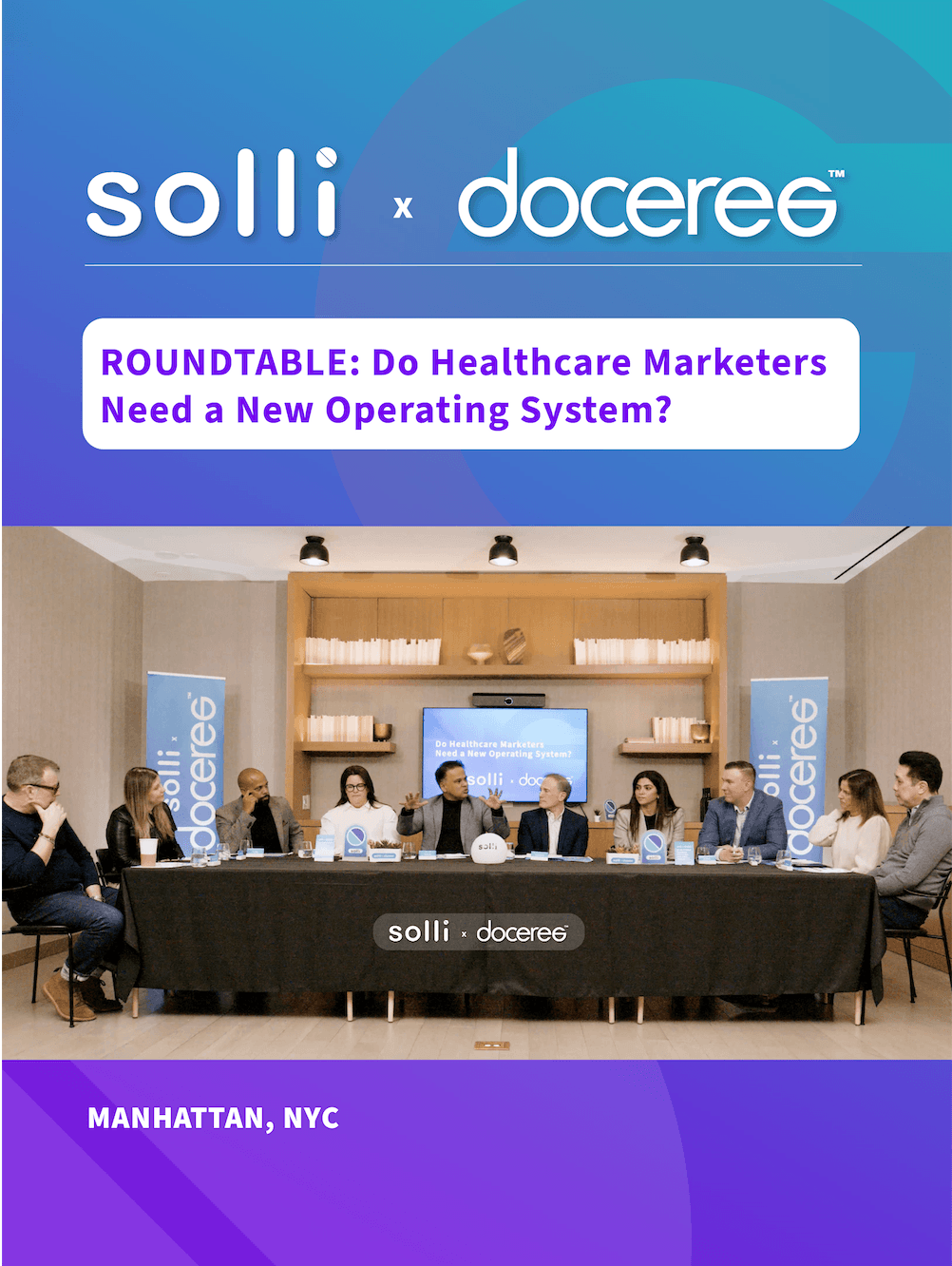
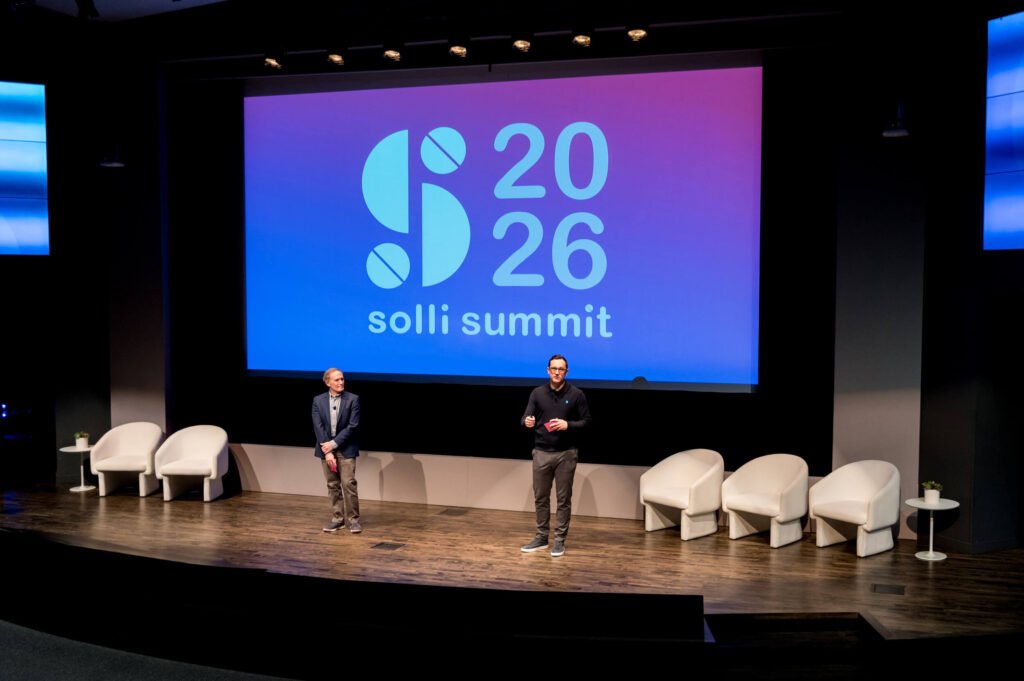
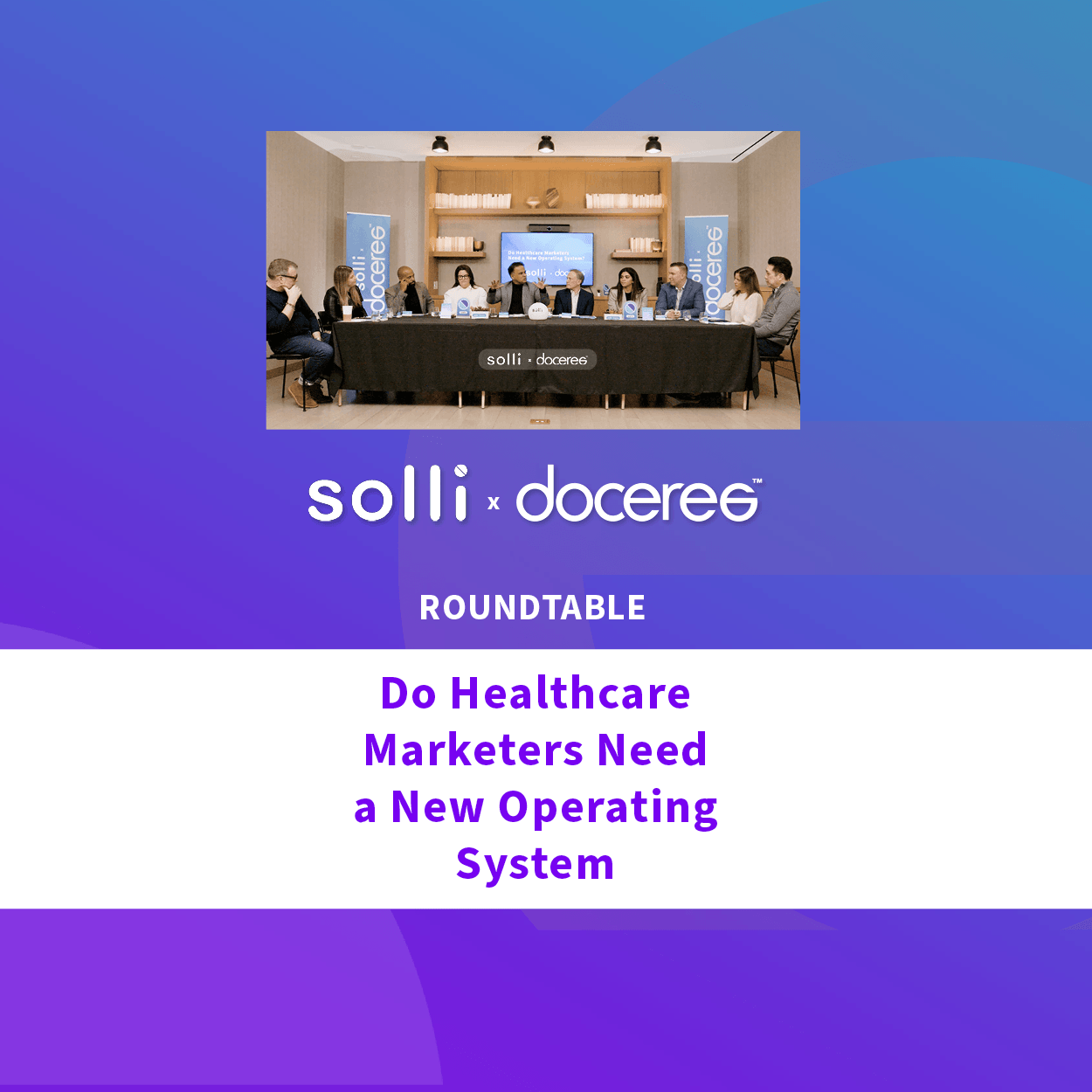
On March 20, 2026, a senior group of health-media leaders gathered in New York City for a roundtable hosted by solli, in partnership with Doceree. The title was a deliberately provocative one: “Do Healthcare Marketers Need a New Operating System?” The conversation was designed to examine the structural pressures reshaping pharma media.
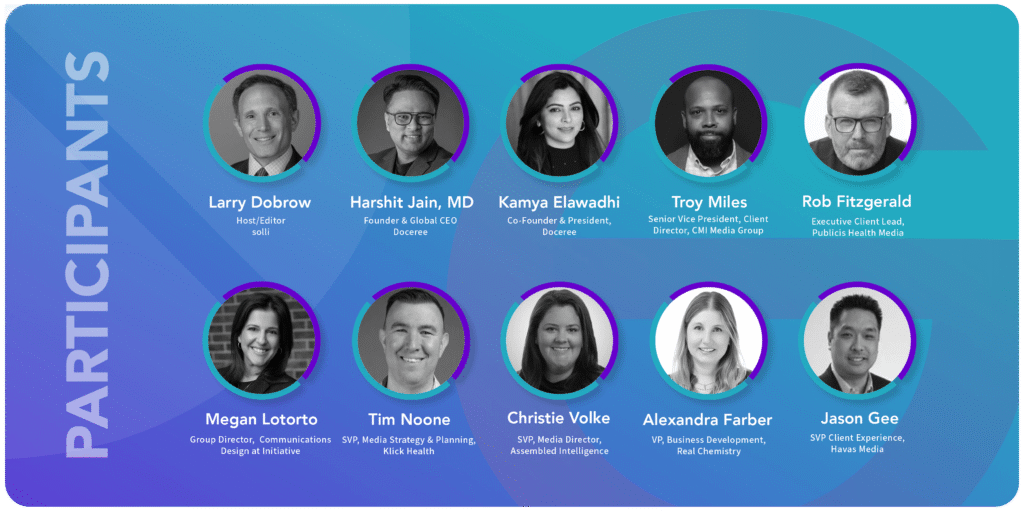
The room reflected the scale of the conversation, being able to bring together 7 of the largest media agency groups in the industry. Around the table were leaders from Klick Health, Initiative, CMI Media Group, Real Chemistry, Havas Media, Assembled Intelligence and Publicis Health Media, as well as senior leads from Doceree and expertly moderated by Larry Dobrow (solli).
From the outset, the tone was open, candid and practical. It was a working conversation among people working, in real time, with how healthcare marketing has changed over the last 18 months and what that means for the next three years.
What emerged was not a single answer so much as a shared diagnosis. The participants agreed that pharma media is already in transition. The question is not whether change is coming, but whether the industry can build the infrastructure, behaviors and trust required to keep up with it. Across the discussion, six themes stood out.

1. A disconnected ecosystem is the industry’s foundational problem
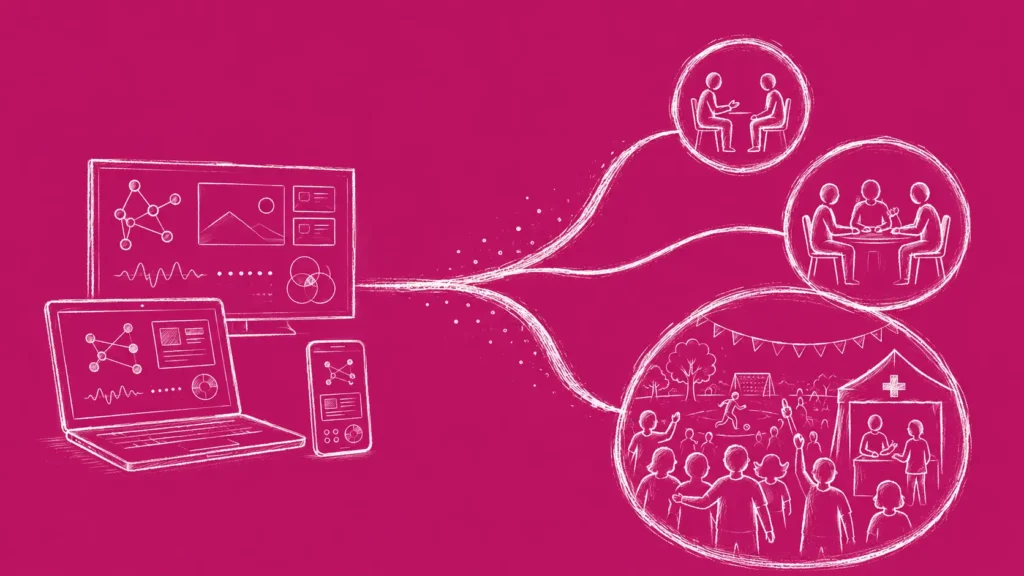
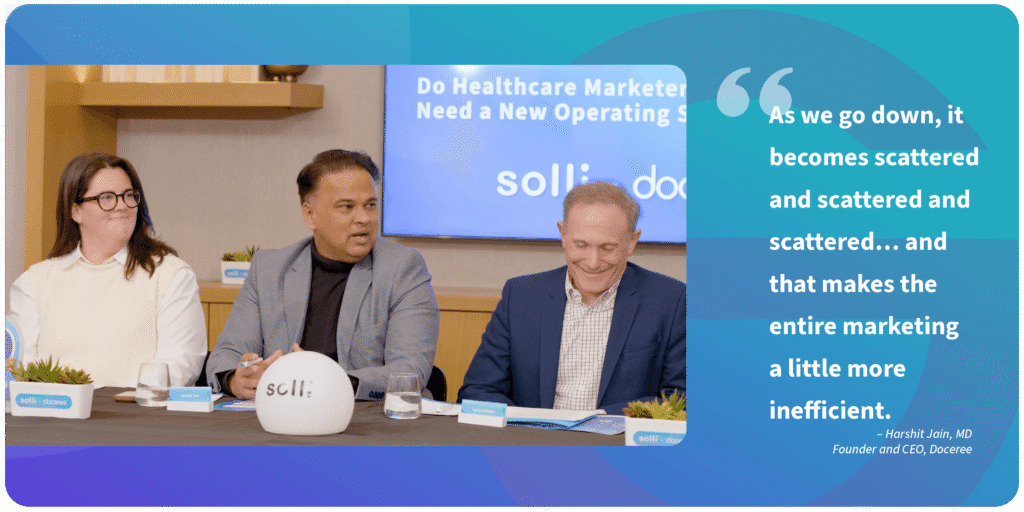
The conversation began with pressure points. And almost immediately, the group landed on a simple but powerful idea. The problem is not a shortage of tools, data or vendors. The problem is that the system does not behave like a system. The funnel may look relatively organized at the top, but it fragments badly as it moves toward real patient action and measurable outcomes.
That fragmentation showed up in multiple forms: disconnected publishers, siloed tactics, uneven data quality, poor interoperability, and the persistent inability to connect planning, activation and outcome measurement.
What made this portion of the discussion especially compelling was that nobody tried to pretend the challenge was unique to pharma. Several participants noted that fragmentation is a broader marketing problem. But in healthcare, it is intensified by compliance, legacy operating models and the sheer number of stakeholders in the chain. The result is an ecosystem that can generate activity, but struggles to create continuity.
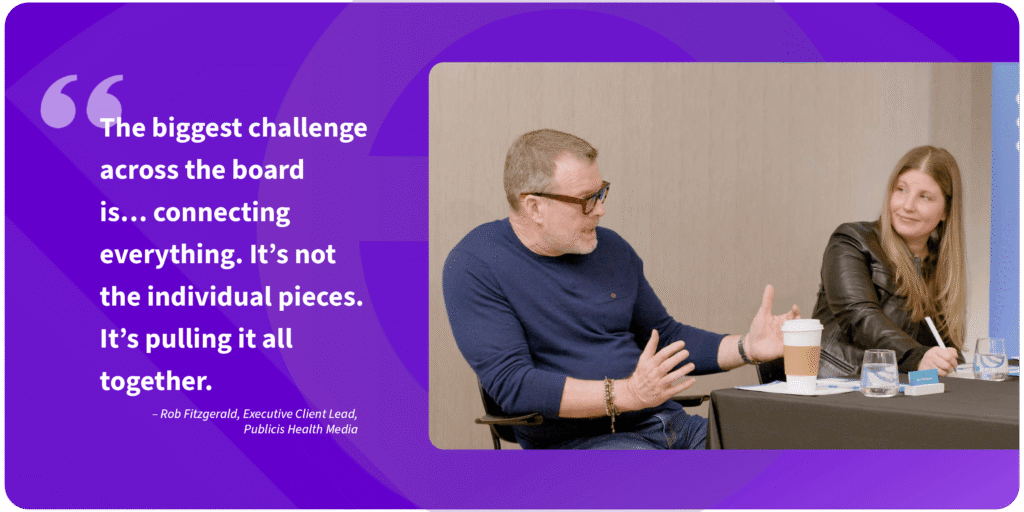
“Operating system” became shorthand for a connected way of working: a framework that allows data, decisions, content and measurement to move across the ecosystem with some degree of coherence. Before the industry can optimize the system, it has to have one.
2. Data unification and identity resolution sit at the heart of the challenge
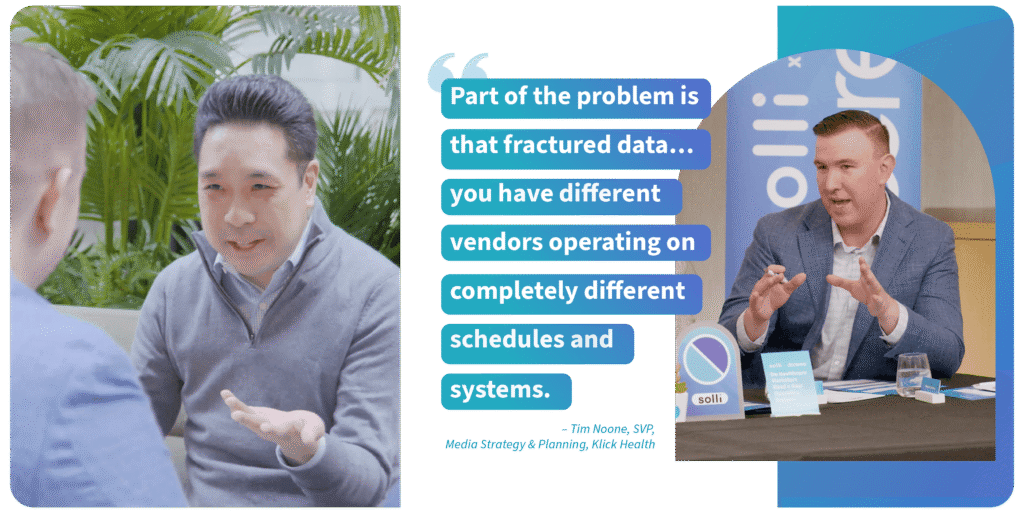
If there was one theme that drew the quickest consensus, it was data. More specifically: not the existence of data, but the challenges in unifying it. Participants returned repeatedly to the same frustration. Pharma has more signals, more sources and more potential intelligence than ever before, yet still cannot reliably connect them into a coherent view of a patient, an HCP or a journey.
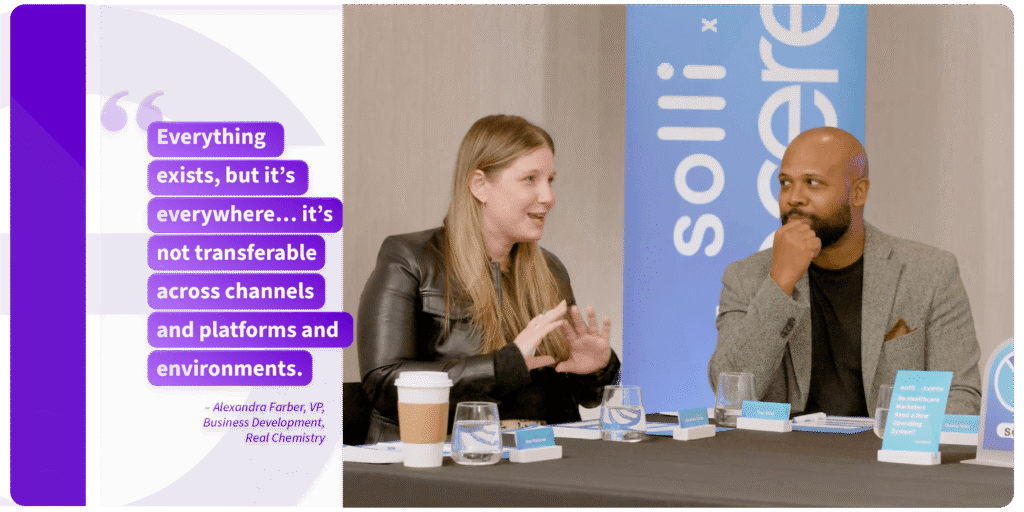
That is why the discussion moved quickly from “data” in the abstract to the harder questions of identity, signal unification and data-sharing rules. One participant described sitting with a client that had more than 40 data sources on the table and still no clear path to one omnichannel approach. Another argued that every system has its own separate view of the HCP or patient, making connection itself the primary obstacle.
This was one of the clearest places where the group moved from diagnosis to design. If the industry is serious about a new operating model, then identity and data-sharing need to be solved first. Not perfectly, perhaps, but credibly enough that different parties can operate from something closer to a common view. That is why the conversation touched on clean-room thinking, common ground rules and neutral environments where anonymized data could be brought together without compromising privacy or proprietary advantage.
This was not an unrealistic conversation about total transparency. In fact, the group was realistic about the limits. Pharma will never become fully open. Nor should it. But there was clear support for a more mature model of data collaboration: one in which enough signal can be shared, safely and compliantly, to make the ecosystem smarter than the sum of its parts.
3. The industry must move from lagging metrics to real-time decisions
Participants spoke candidly about how often insights arrive too late to influence meaningful action. Attribution may be rigorous. But if the learning comes too long after a campaign has ended, it does little to help a team make better decisions in the moment.
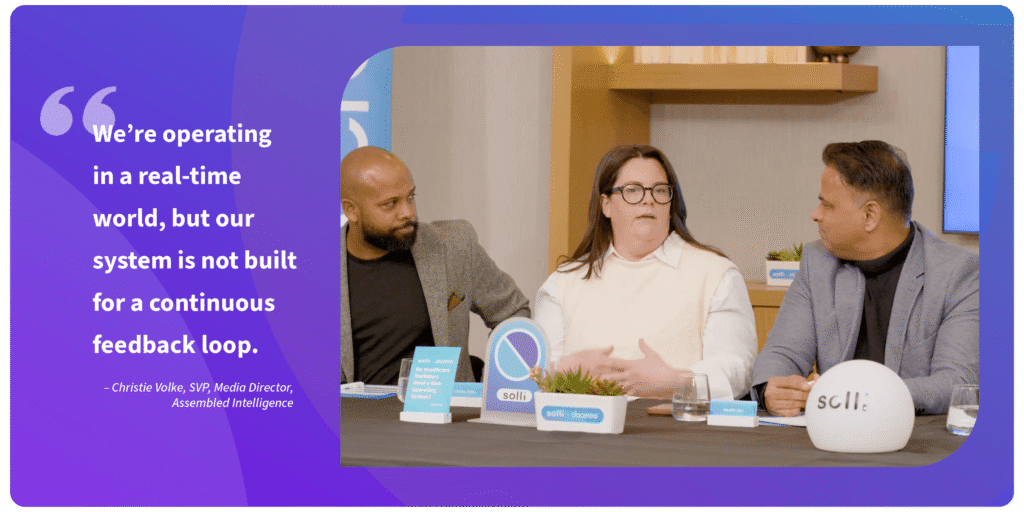
That is why the conversation repeatedly returned to signals, predictive models and the need for continuous feedback loops. The ambition is not simply to measure what happened. It is to understand what is happening now, or what is likely to happen next, and act on that with enough confidence to improve outcomes. In practical terms, that means moving away from a purely retrospective view of audiences and toward something more dynamic and anticipatory.
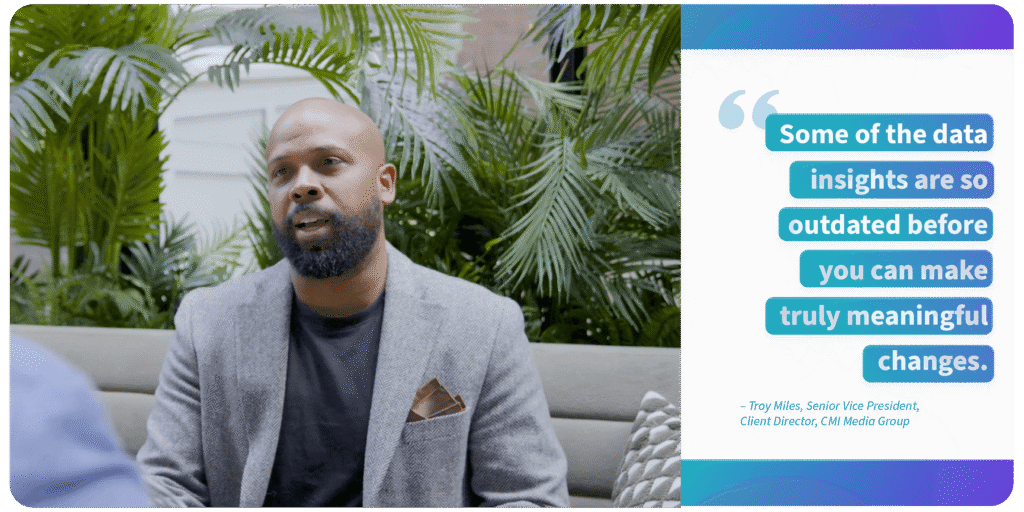
The consequences are not merely technical. They show up in the lived experience of patients and HCPs. As one participant noted, pharma still too often struggles to meet people where they actually are in their journey. A person who has already converted may still be served the same message weeks later because claims or behavioural signals arrive too slowly. That is not simply inefficient media. It is poor experience design.
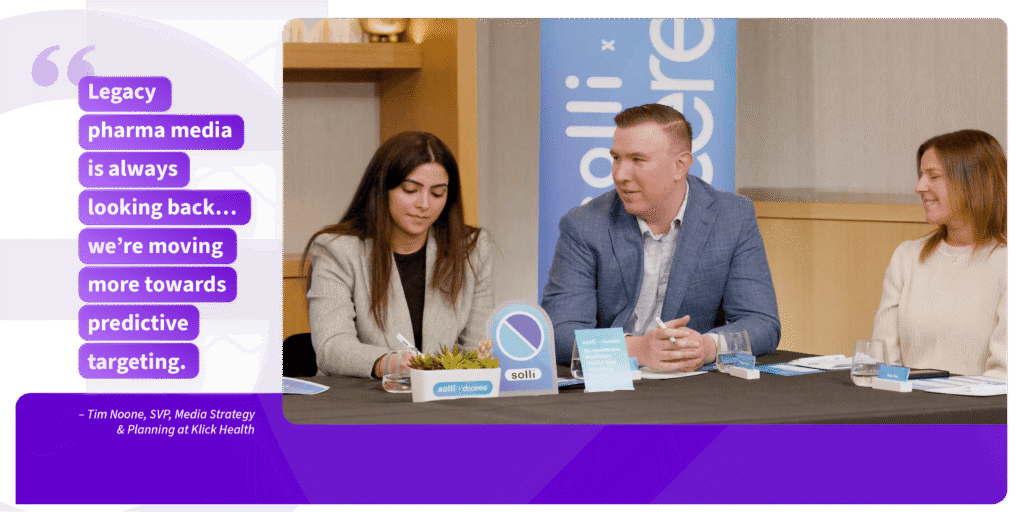
There was also a recognition that faster decision-making in pharma is never just a media issue. It collides with MLR review cycles, modular content readiness, compliance frameworks and organizational appetite for change. Even so, the room agreed that the future belongs to teams that can shorten the distance between signal and action.
4. AI is acting as a catalyst, but it is not the cure
The panel did not treat AI as either miracle or menace. Instead, it spoke about AI as a stress test: a force exposing the weaknesses in the current model while also accelerating the need to address them.
At its best, AI was described as an efficiency engine. It can help streamline workflows, speed up planning, surface insights faster and support more modular, responsive creative systems. At its worst, it can become a superficial layer pasted over broken infrastructure. Several participants warned against the industry’s tendency to use AI language as a shorthand for innovation without doing the harder work of rebuilding the foundations beneath it.
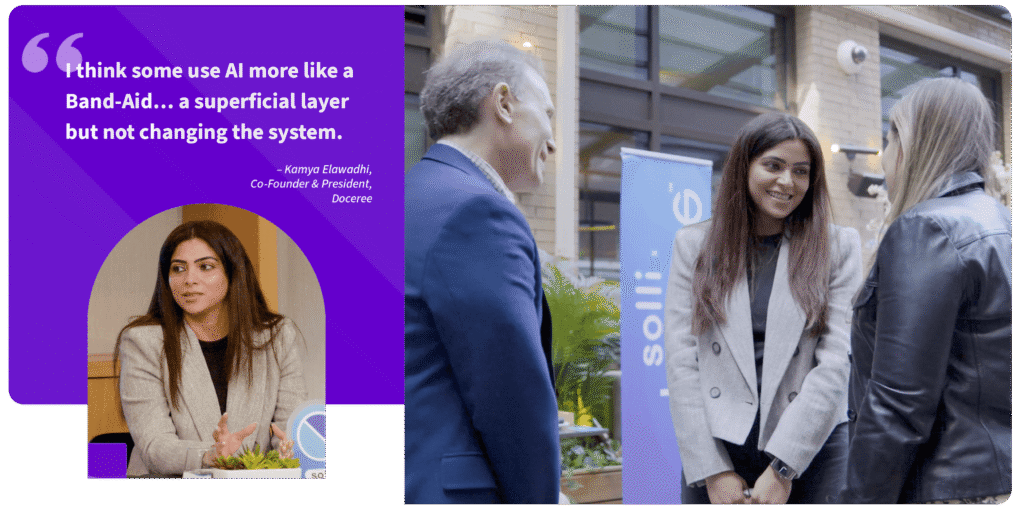
That tension between possibility and regulation came up repeatedly. Outside pharma, personalization, dynamic optimization and real-time decisioning are already familiar territory. Inside pharma, they are still filtered through a more complex set of rules, approvals and risk calculations. Participants were clear about the fact that healthcare cannot simply import the rest of digital marketing’s playbook wholesale. But they were equally aligned that pharma can no longer afford to sit outside that progress.
The room aligned that AI will not replace great people; it will simply make them better. The technology matters, but only if it is paired with better architecture, better governance and better judgment.
5. A new operating system means rebuilding infrastructure, not just upgrading tactics
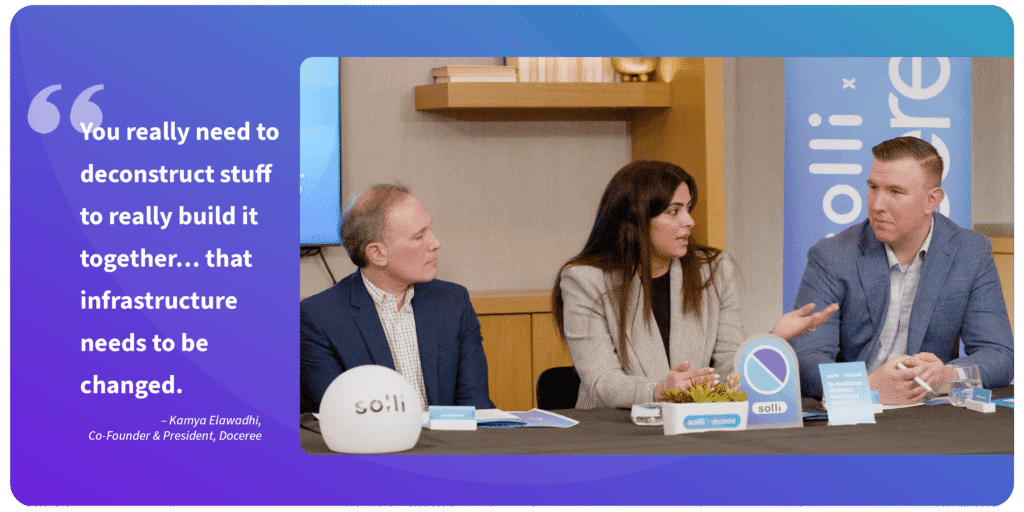
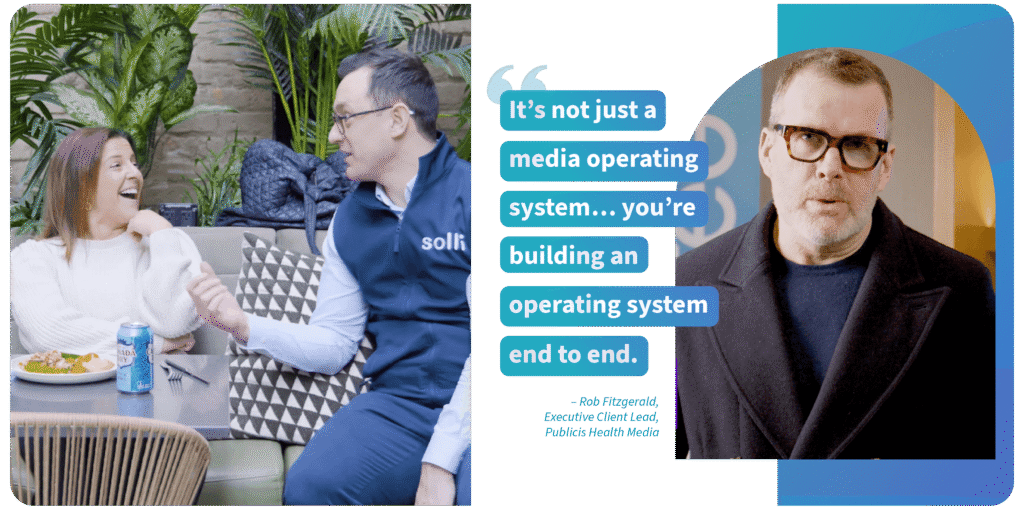
As the discussion deepened, it became increasingly clear that it was not just a call for fresher strategy decks or more integrated campaign planning. The participants were talking about architecture. Frameworks. Connectors. Governance. Shared infrastructure. In other words, operating systems in the real sense of the phrase.
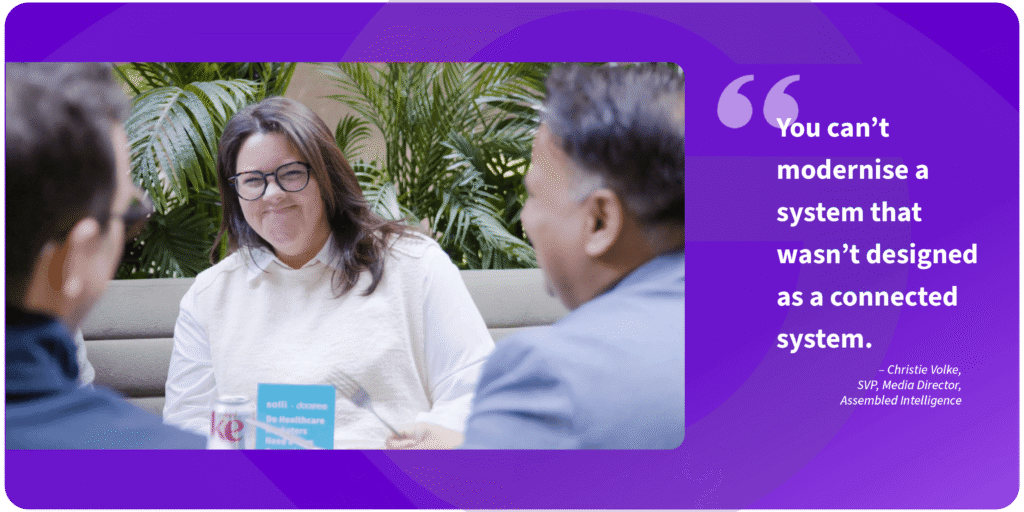
That is why the group pushed back against the idea that incremental modernization alone will solve the problem. Some parts of the system can certainly be improved. Decision engines exist. Data assets exist. Certain channels are more sophisticated than they were five years ago. But a recurring view in the room was that the legacy model was never built as a connected system in the first place. And if that is true, then optimization can only take you so far.
The group also wrestled with ownership. Should brands own the operating system? Agencies? Technology partners? The answer that emerged was not tidy, but it was realistic: ownership will likely be shared, and it will vary depending on client scale, maturity and ambition. Large brands may want agency-operated systems plugged into brand-owned environments. Smaller brands may need agencies or partners to do more of the building. The important point was not who gets the credit. It was that the future model cannot be built by one party alone.
There was also a useful pragmatism around open versus closed systems. The consensus was that the industry will likely live in a hybrid world. Closed platforms offer scale, rich audience data and measurement. Open ecosystems offer transparency and connective tissue. The challenge is to preserve the benefits of both while avoiding a future in which every signal lives in its own black box.
6. Trust, collaboration and human relevance will decide whether this works
The conversation moved beyond systems and into people. Participants were not only talking about internal workflows or data flows. They were talking about the changing relationship between patients, doctors and information itself.
Several speakers described a healthcare environment in which anxious patients increasingly arrive armed with AI-generated information that may or may not be accurate, while overburdened physicians are left to spend precious time debunking it. One participant cited a stark statistic – that fewer than 12% of doctors would recommend the profession to their children – as a sign that the issue is bigger than media. It is about trust in healthcare, authority in the exam room, and the cultural conditions in which pharma marketing now operates.
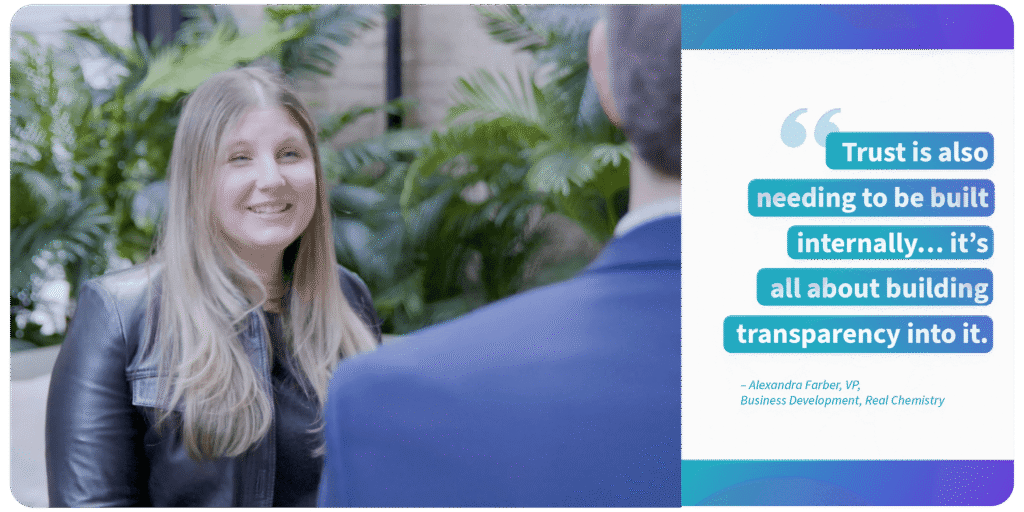
This is where the conversation broadened in an important way. Trust was not framed solely as a consumer-brand issue. It was also about internal trust: between reps and AI systems, between agencies and clients, between brands and technology partners, and between different parts of the organization that have historically operated in parallel rather than together. That is why collaboration emerged as more than a nice-to-have, it is a practical necessity.
There was also a recurring call for more authentic, more relevant messaging. If AI is changing how people search, ask questions and weigh options, then pharma cannot keep relying on generic, cookie-cutter communications and expect them to land. It will need messages that are more personalized, more culturally aware and more clearly connected to the realities patients and HCPs are facing. In that sense, the human challenge and the systems challenge are inseparable. Better orchestration is only useful if it produces more meaningful moments.
Conclusion: the industry is already in the rewrite
By the end of the session, the mood in the room was strikingly upbeat. The participants spoke as though change is already underway, and the real task now is to shape it positively for the industry.
If there was a shared conclusion, it was that healthcare marketing does need a new operating system, but not in the simplistic sense of swapping one tool for another. It needs a more connected infrastructure, a more unified data foundation, a faster decision model, a more mature relationship with AI, and a stronger commitment to trust and collaboration. Above all, it needs to remember why any of this matters. Better outcomes for patients and HCPs.