





















OpenAI Launches ‘ChatGPT for Clinicians’ to Support Clinical Workflows
AI moves closer to the point of care

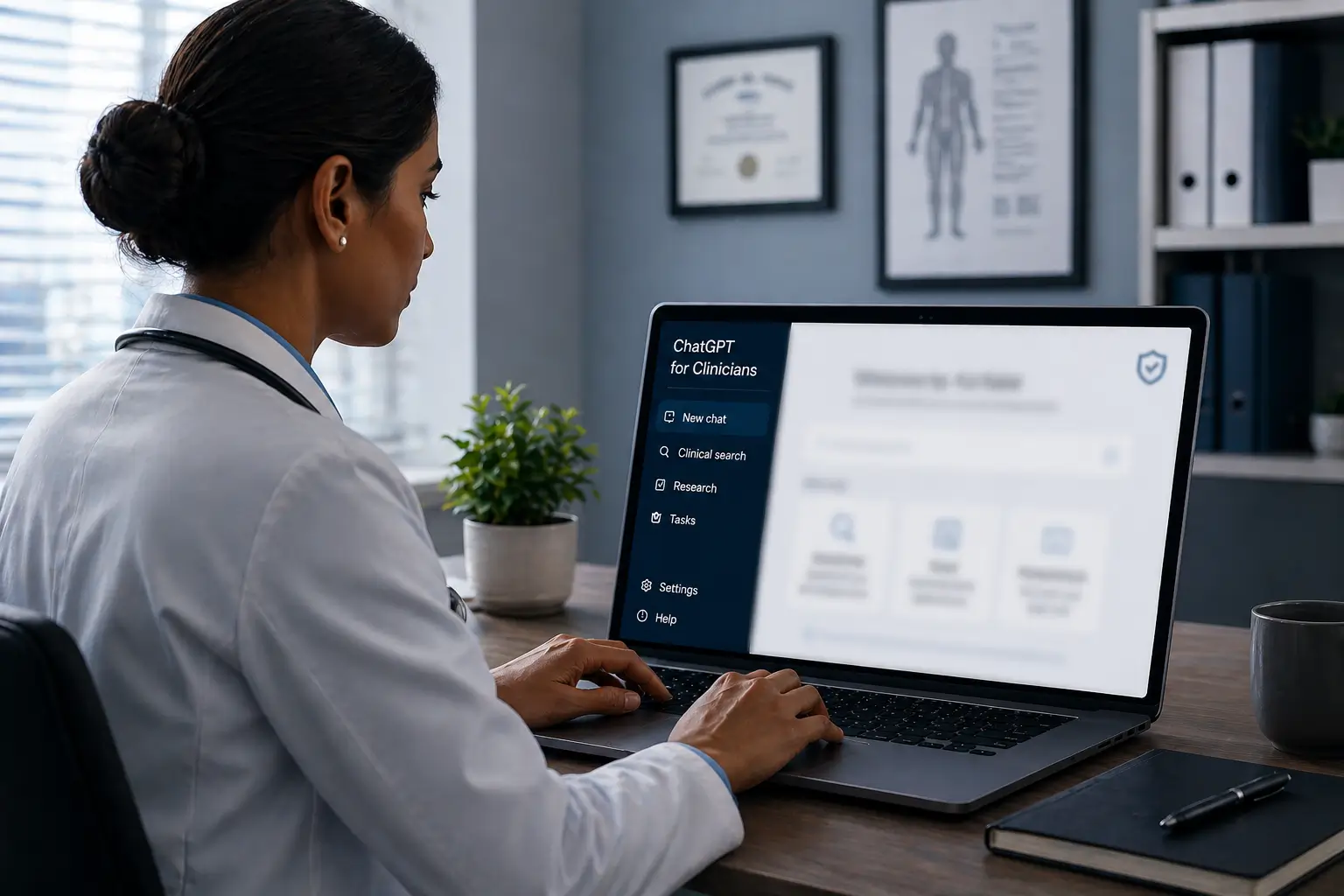
OpenAI has introduced ChatGPT for Clinicians, a dedicated version of its AI platform designed to support healthcare professionals across documentation, research, and clinical decision-making.
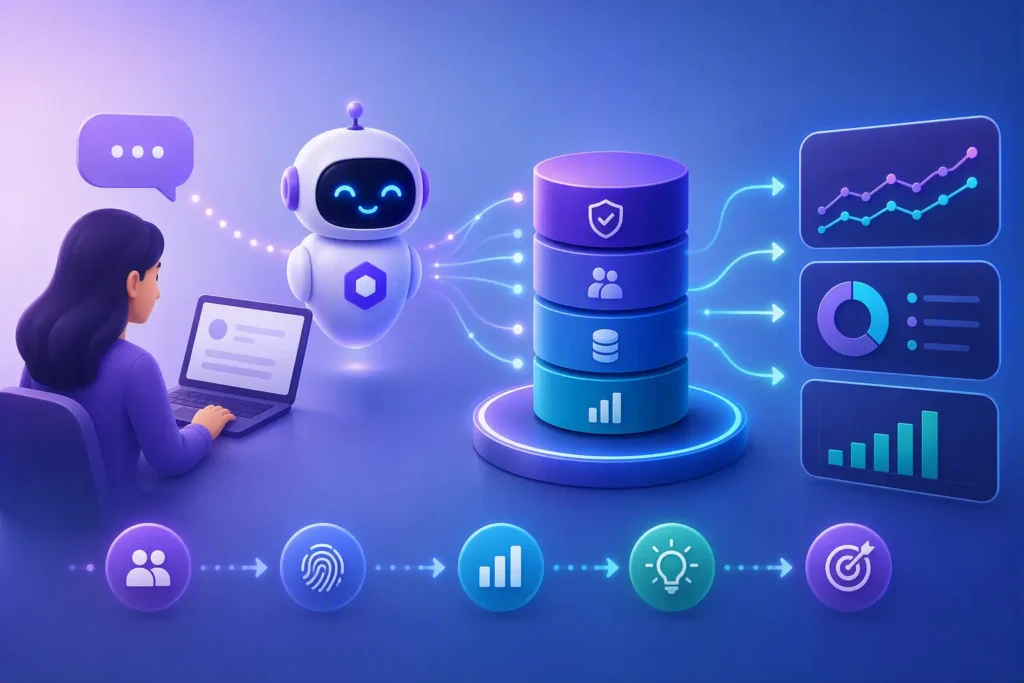
Now available free to verified clinicians in the U.S., the tool reflects rapidly growing adoption of AI within clinical settings. It is built around real-world workflows, enabling clinicians to automate repeatable tasks such as referral letters and patient instructions, surface evidence through structured clinical search, and synthesise large volumes of medical literature into actionable insights. Optional HIPAA-compliant configurations also allow for use in environments where protected health information is involved.
Alongside the launch, OpenAI has introduced HealthBench Professional, an open benchmarking framework designed to evaluate AI performance across core clinical tasks, including care consultation, documentation, and medical research. This signals an increasing emphasis not just on capability, but on measurable performance, safety, and trust in healthcare AI.
Taken together, these developments point to a deeper integration of AI into everyday clinical workflows—positioning tools like ChatGPT as an embedded layer within the clinical decision-making process, rather than a peripheral resource. Importantly, OpenAI continues to frame the tool as augmentative, reinforcing that clinical judgment remains central.
solli’s Final thoughts
While the immediate application is clinical, the downstream impact on pharma media and marketing could be substantial. As AI tools like ChatGPT become embedded at the point of care, they have the potential to reshape how healthcare professionals access, filter, and prioritise information.
This introduces a shift from traditional, channel-driven engagement (e.g., websites, reps, programmatic media) toward AI-mediated environments, where content is surfaced dynamically in response to clinical queries. In this context, visibility is no longer just about placement—it depends on whether content is structured, credible, and contextually relevant enough to be retrieved and synthesised by AI systems.
For pharma marketers, this continues a shift from traditional SEO toward “AI discoverability,” where content must be structured, credible, and easily surfaced by AI systems embedded in clinical workflows. In this environment, peer-reviewed evidence, guideline alignment, and transparent sourcing become critical gatekeepers of visibility, while modular, data-rich content is favoured over long-form promotional materials.
At the same time, brand messaging is increasingly intermediated by AI, reducing control over how information is presented.
Ultimately, as AI becomes part of the clinical interface, pharma media strategies will need to evolve from driving traffic to shaping the underlying information ecosystems these tools rely on.