























The Healthcare Media Planners Workbook
Introducing A New Framework for Smarter Media Planning

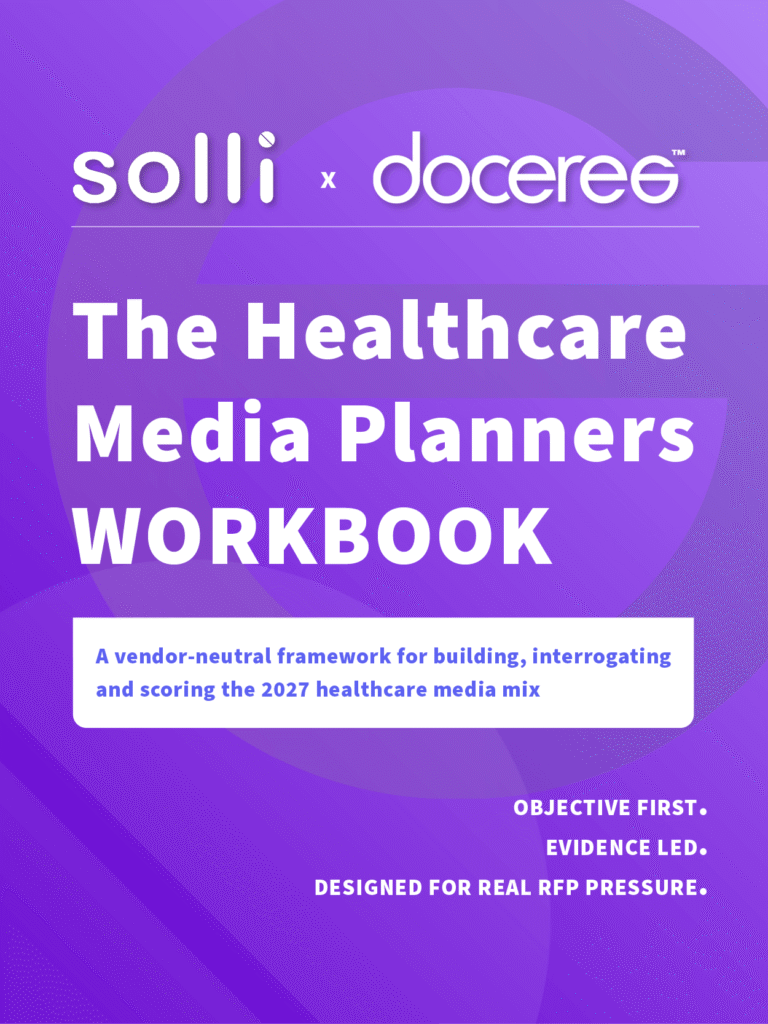
We’re delighted to launch the solli x Doceree Healthcare Media Planners Workbook, a practical new resource designed to help healthcare media planners navigate an increasingly complex planning environment and approach the 2027 RFP season with greater clarity, consistency and confidence.
As AI reshapes digital behaviour, new signals emerge and the number of channels, technologies and partners continues to grow, established approaches to media planning are being challenged. The Workbook provides planners with a common framework for evaluating opportunities, asking more consistent questions of partners and making evidence-led decisions based on the audience, objective and moments that matter.

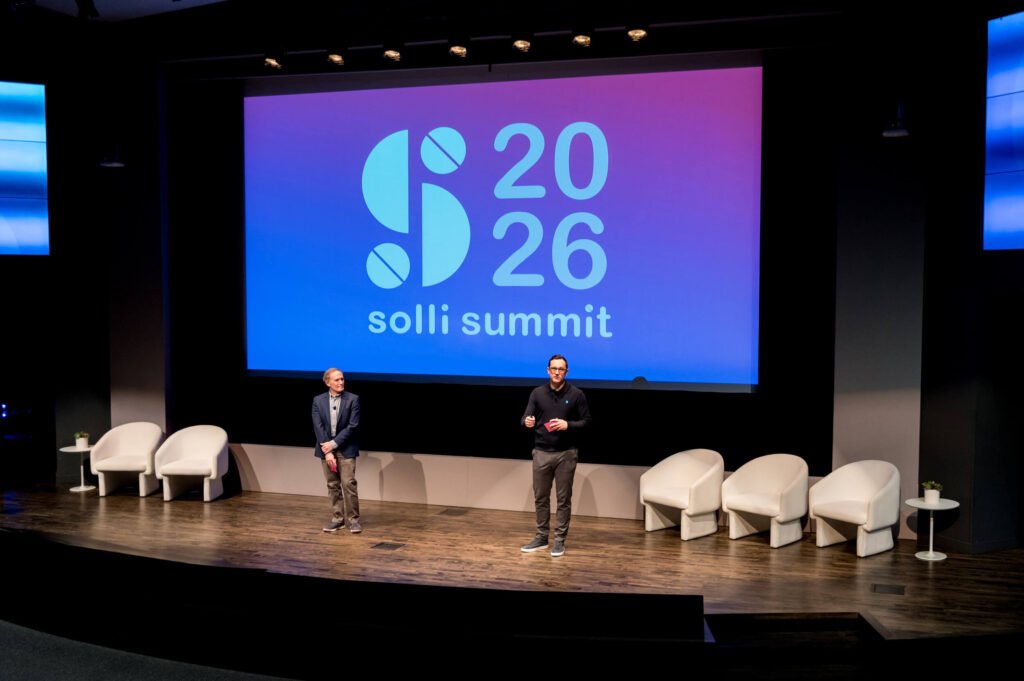
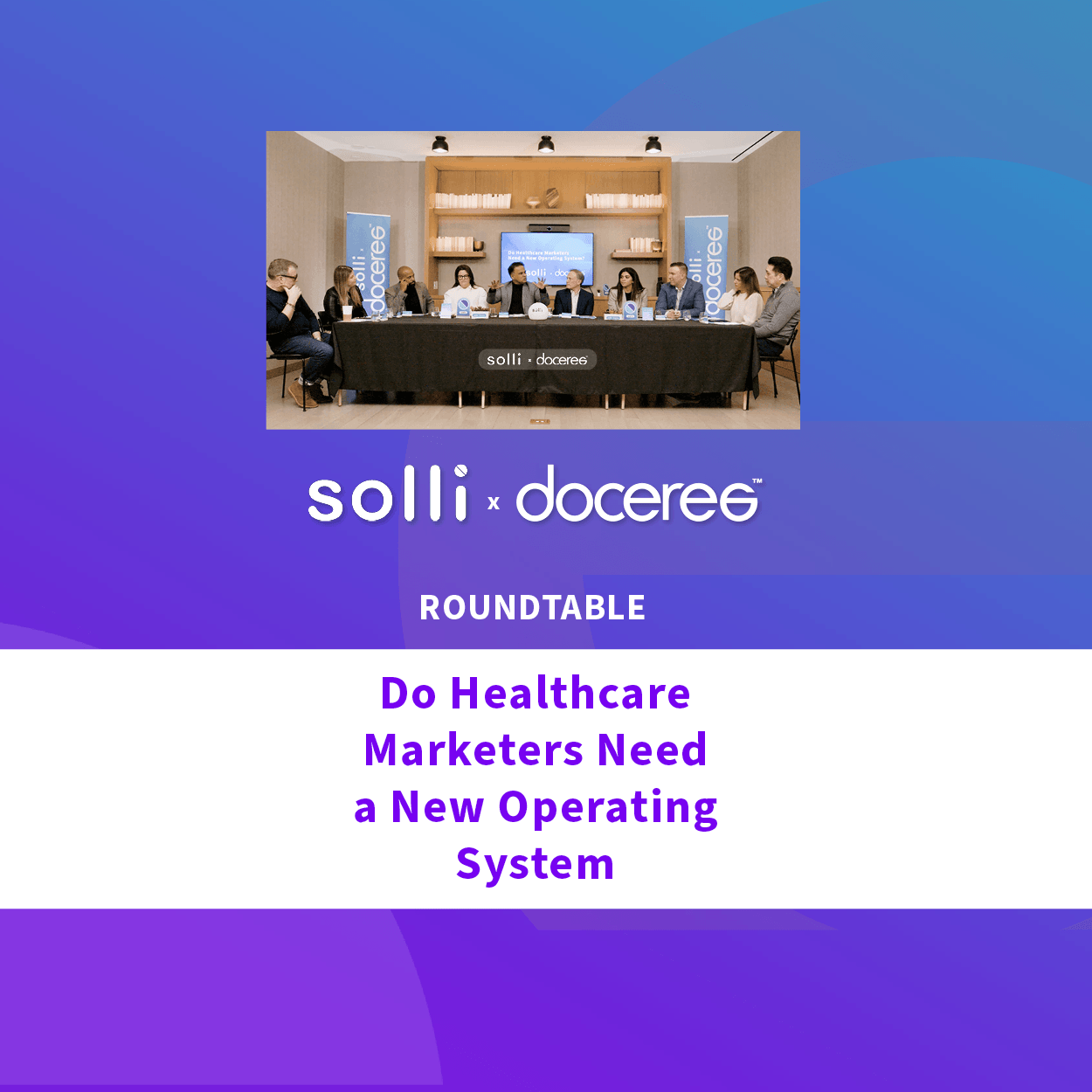
Hear Graham Wilkinson, Chief Innovation Officer at Doceree, and Rich Springham, CEO of solli, discuss why the two organisations developed the Workbook, the changes transforming healthcare media planning, and how new technology could reshape the planning and RFP process in the years ahead.
WATCH THE PARTNER INTERVIEW HERE:
Why the Workbook Matters?
1. Media Planning Needs to Evolve With Changing Behaviour
AI is rapidly changing how people discover information and interact online, while healthcare media itself is becoming more complex. From conversational interfaces and changing search behaviours to the growing importance of HCP engagement and rare disease, planners are operating in an environment that looks increasingly different from the one traditional planning models were built for.
The Workbook encourages planners to start with the brand, audience and objective, rather than defaulting to established channels or technologies, and to consider not only who they can reach, but the signals and moments that indicate when that audience may be ready to engage.
2. A Common Framework Can Bring Greater Consistency to Partner Evaluation
RFP season places planners under significant pressure, with more channels, technologies and behaviours to assess in increasingly compressed timeframes. That can make it tempting to fall back on what worked previously or evaluate different partners against entirely different criteria.
The Workbook provides a more consistent foundation, helping planners identify the questions that matter across partners and technologies so they can make faster, more defensible decisions without rebuilding the evaluation process for every brief.
3. Evidence Should Sit at the Heart of Media Decisions
Being able to identify an audience is only part of the equation. The Workbook encourages planners to ask whether partners can demonstrate who was reached, whether engagement happened at a meaningful moment, what happened afterwards, and whether the underlying data is appropriately deterministic or probabilistic.
The emphasis is deliberately on “can you show me?” rather than “can you tell me?”, creating a framework that can be applied consistently to different partners while keeping evidence at the centre of decision-making.
4. The Workbook Is a Starting Point, Not a Static Answer
The ambition extends beyond creating another planning document. As Graham explains, establishing useful frameworks creates an opportunity to make them more dynamic over time, potentially using AI to incorporate current data, therapeutic-area context, competitive intelligence and even support the consolidation of RFP responses.
For now, the goal is practical: save planners time, give them greater confidence in the plans they pitch and provide a resource they choose to reach for rather than one they are simply told to use.