

























Here, There and Everywhere: The Continuing Proliferation of Points of Care
Larry Dobrow dives into the past, present and future of POC media

The point-of-care channel used to be the medical marketing and media equivalent of comfort food.
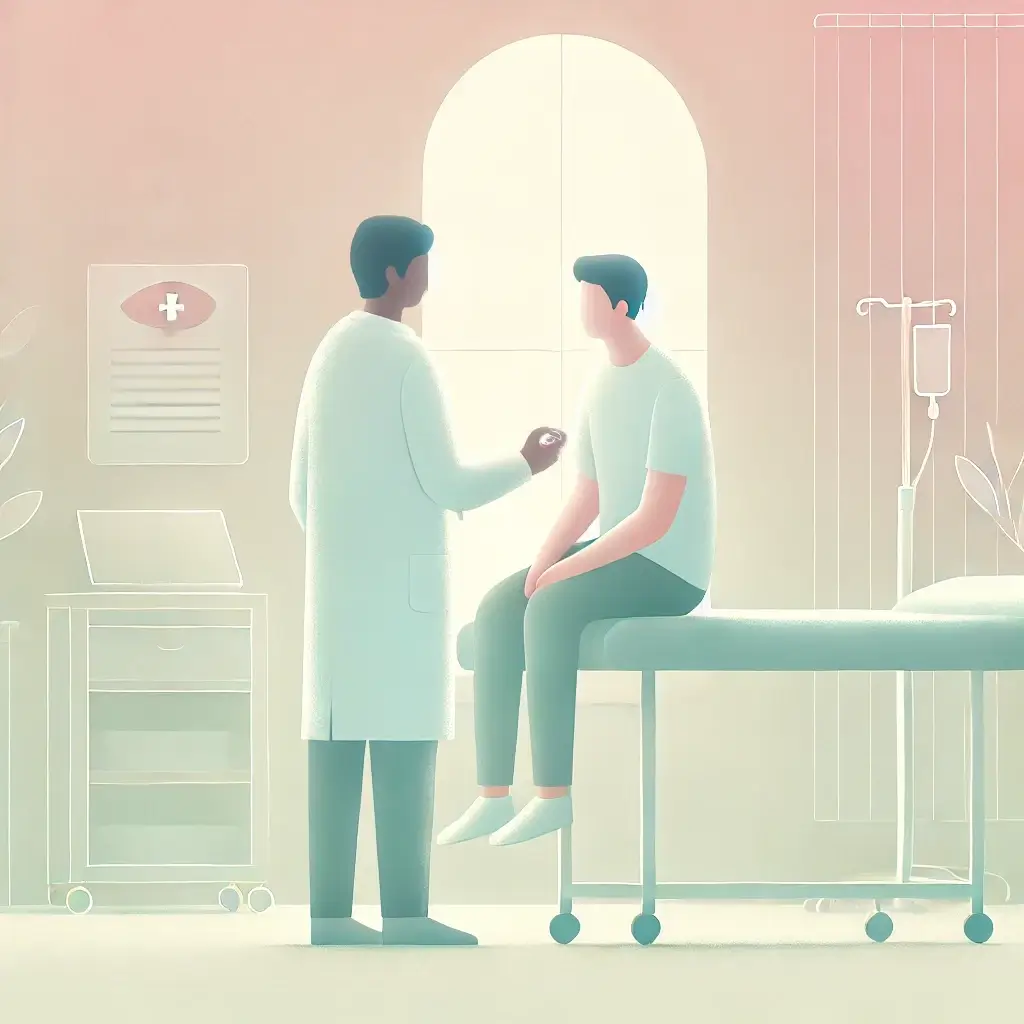
In the days before video networks made their first appearances in the waiting rooms of doctor’s offices, patients and caregivers could expect to be greeted by a potpourri of pamphlets. These publications often sparked the desired conversations between patients and providers, but offered little in the way of flash. They were substance over style.
The channel itself rarely strayed beyond those walls. “Point of care” meant “doctor’s office,” plain and simple, and efforts to redefine these boundaries never caught on. The setting was education- and marketing-friendly and the content served its purpose. Why mess with a good thing?
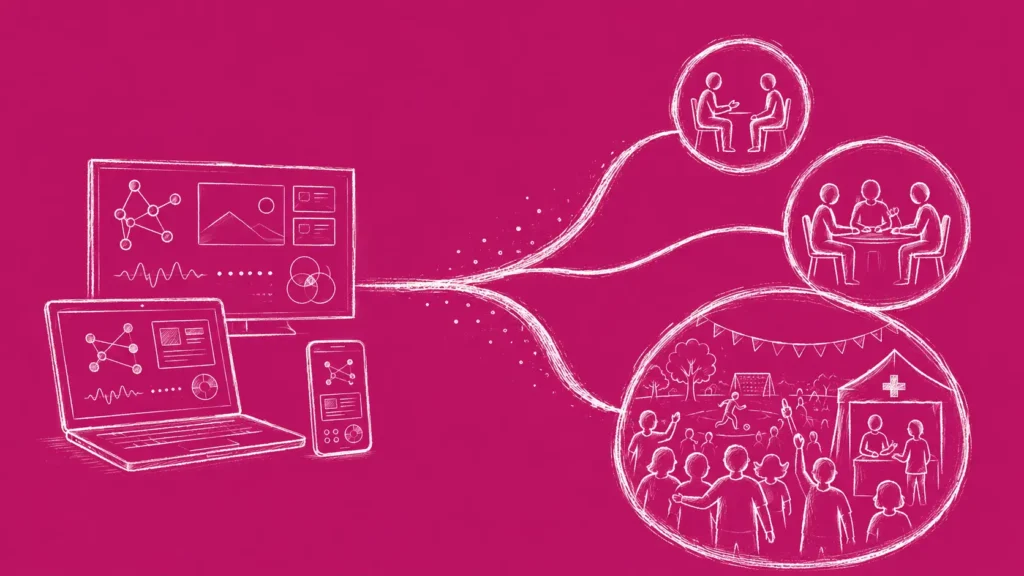
Because, it turns out, an even better thing was well within the channel’s grasp. Since the start of the 2010s, the point-of-care channel has transcended the waiting room’s four walls. It’s no longer about a singular point of care; it’s about points of care, plural.
Educational materials shared electronically with a patient in advance of a doctor’s visit, or via mobile phone as that patient waits to be seen? Signage in retail pharmacies? Messaging embedded in EHRs? All have found a home under the widening aegis of point-of-care marketing.
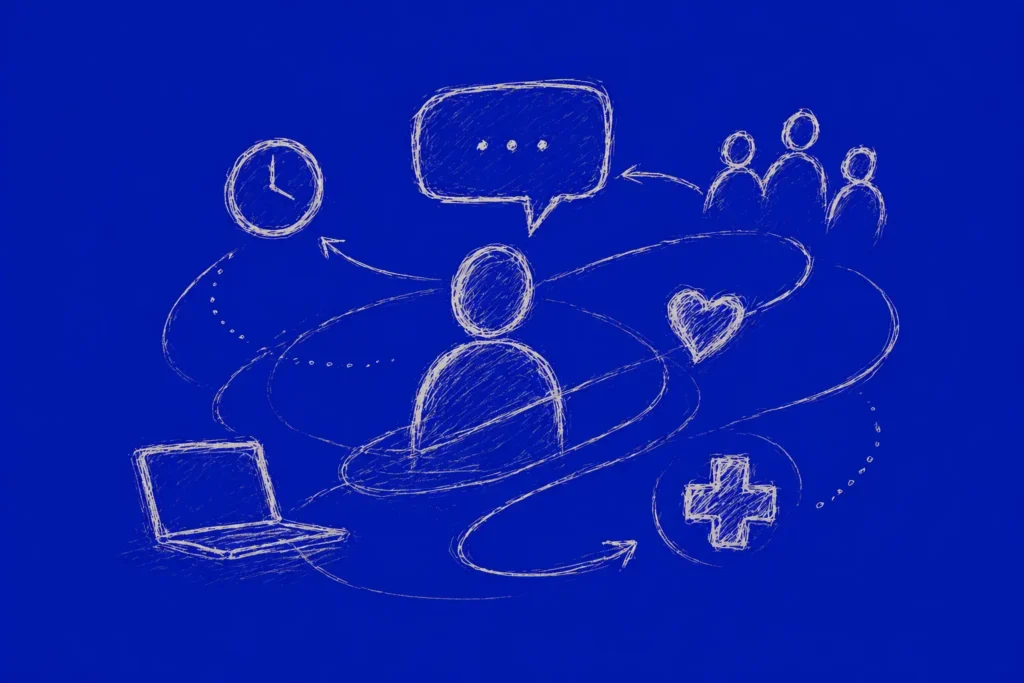
“It’s gone from a channel that was place-based to a channel that covers everywhere that people are interacting with healthcare. That’s still the doctor’s office, but it also includes the home and minute-clinics in retail...
Sign up for full access – it’s 100% free!
Create your FREE account to continue reading and explore more expert insights on Pharma Media.
✅ Free. Fast. No commitment.