























Doceree Unveils Clinical Targeting Tech for Digital Out-of-Home Ads
Trigger DOOH made its debut at the 2026 Cannes Lions festival.

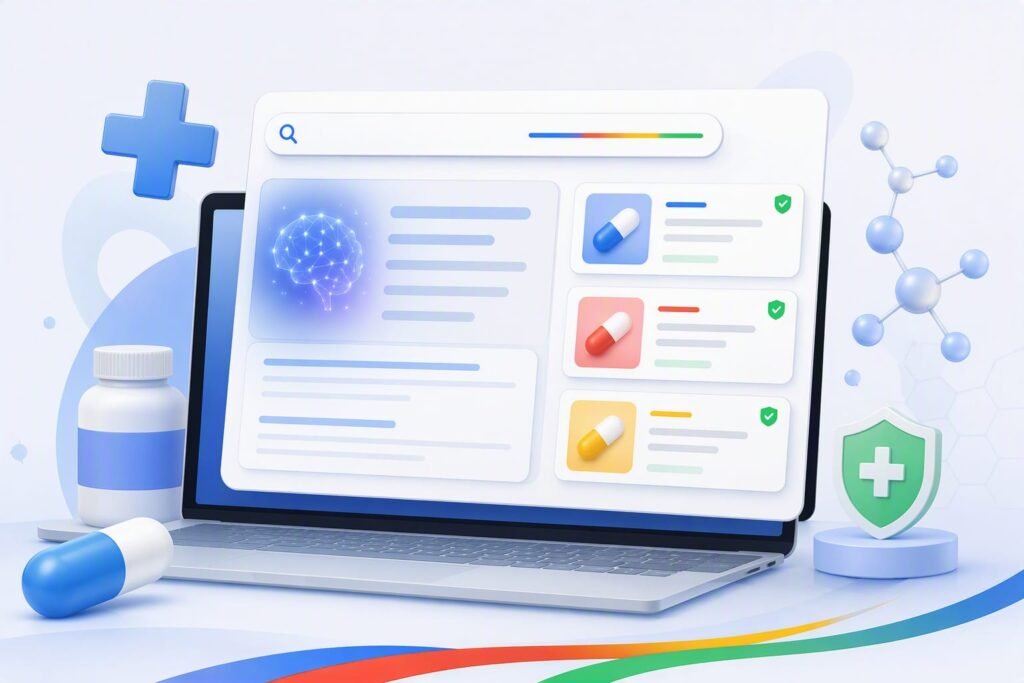
A new tool from Doceree aims to ramp up patient targeting for digital out-of-home (DOOH) advertisements in clinical settings.
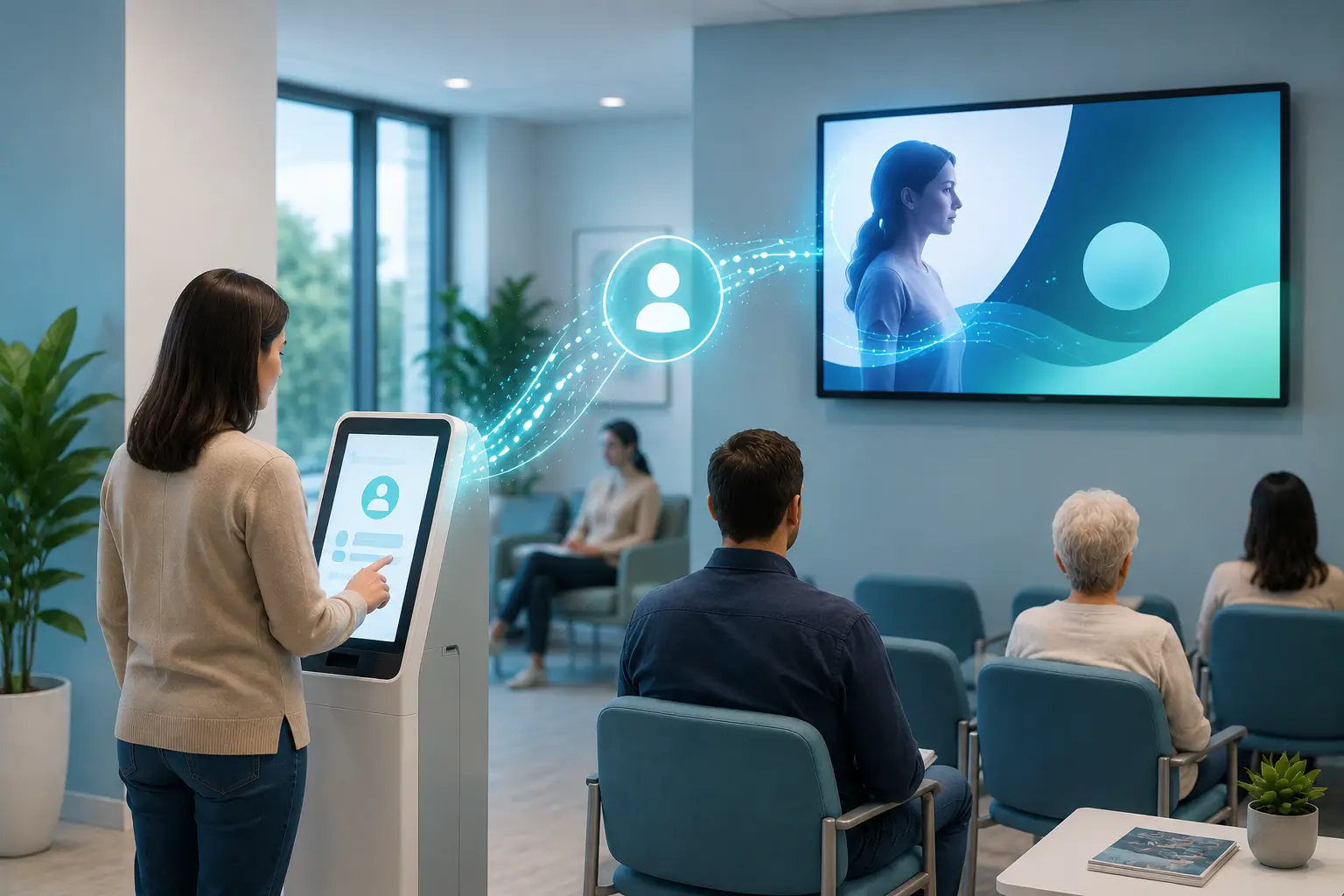
The company introduced Trigger DOOH at the Cannes Lions International Festival of Creativity this week, billing it as a way for pharmas to fine-tune their DOOH strategies by directing their campaigns toward the right audiences at the right times.
With the technology, messages can be programmed to appear on clinical setting screens—totaling more than 3.5 million in waiting rooms, medical campuses and pharmacies across the U.S.—as soon as a patient matching specific criteria checks in for a medical visit.
The tool relies on de-identified data, per Doceree’s Tuesday announcement, with no protected or personally identifiable patient information exchanged in the targeting process.
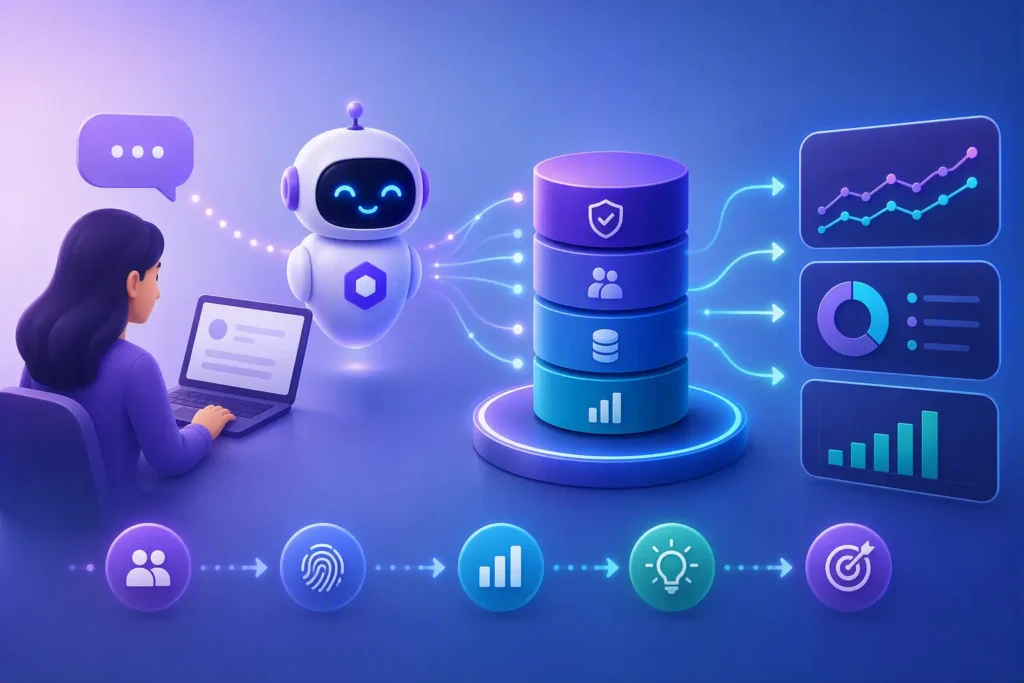
Trigger DOOH will be available for activation via Doceree’s Daily Command platform, which is set for release next month and promises a unified ecosystem for planning, executing and measuring marketing work. For the new tool, that’ll include a live dashboard detailing the triggered deliveries, engagement and, where applicable, next-step performance.
The new technology builds on another recently unveiled capability for the Daily Command platform: Clinical Intent Signals, an intelligence layer designed to help pharma and healthcare marketers monitor and act on HCP behaviors in real time.
solli’s Final Thoughts
With its one-to-many static format, out-of-home advertising was traditionally difficult to personalize, and tracking impact was near impossible. The rise of digital OOH channels has changed that, though precise targeting still remains difficult for health and pharma marketers in particular.
For the most part, DOOH ads cast a fairly broad net: Even if they’re adjusted based on physical location in a doctor’s office, for example, they’re typically still showing the same message to every patient who walks in.
New technologies that add more context to DOOH placements—via appointment check-ins or other de-identified triggers—could then offer a way for marketers to get relevant messages in front of patients at the moments when they might be most receptive. That said, care must be taken not to overstep patients’ sense of (or actual) privacy in out-of-home and clinical settings with messaging that may come off as too intrusive in its hyper-personalization.