













Less-Trusted Channels Have Growing Influence on Patients’ Health Opinions: Report
Many consumers regularly get their news from influencers and other emerging media sources.

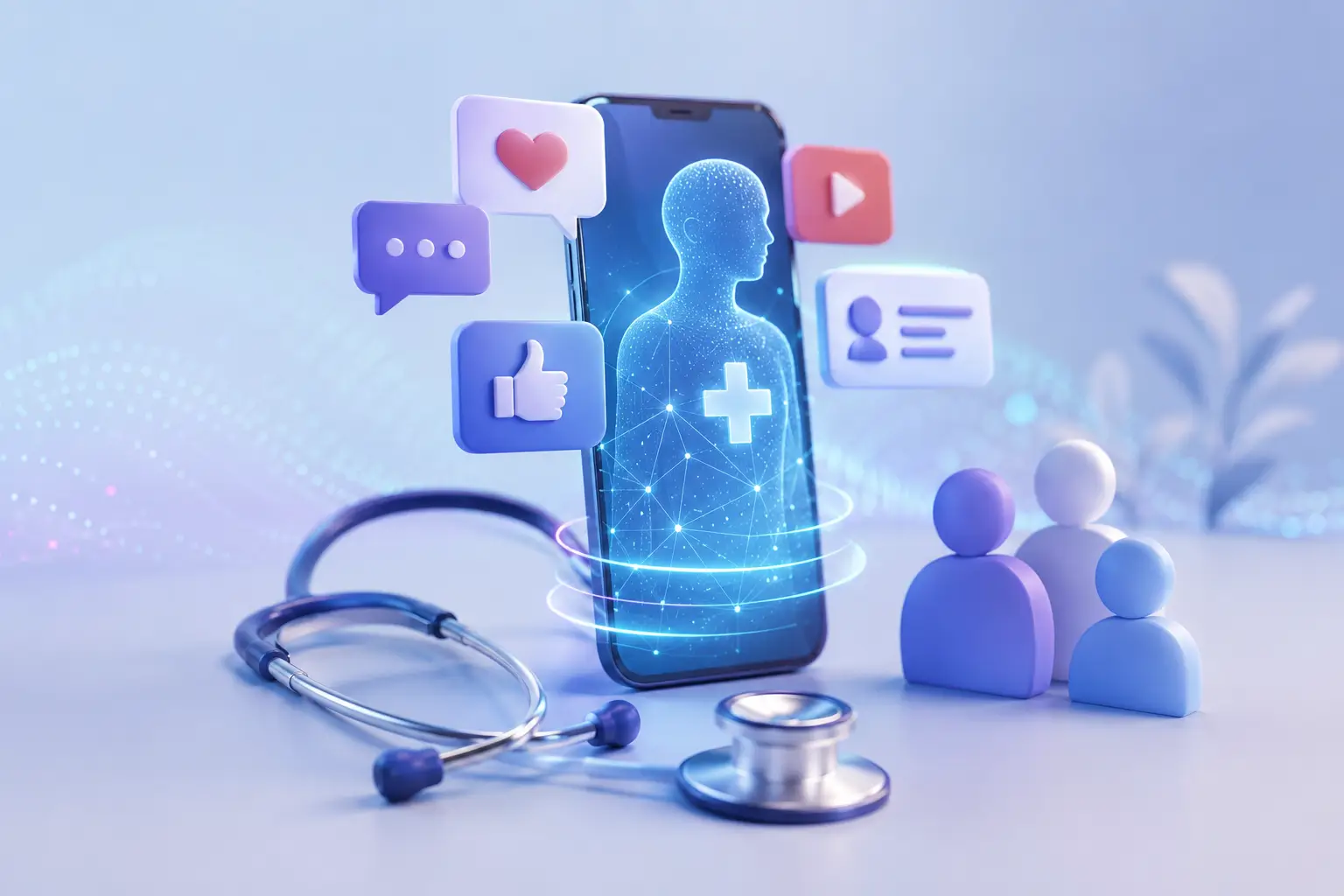
Pharma media strategy must adapt to the new channels through which patients and doctors are gathering health information—and where trust is still lacking—a new report suggests.
Syneos Health Communications tapped the Harris Poll to survey more than 1,500 U.S. consumers and 200 primary care physicians. The resulting report found that consumers are increasingly getting their health news and analysis from influencers and emerging media channels, much to doctors’ chagrin.
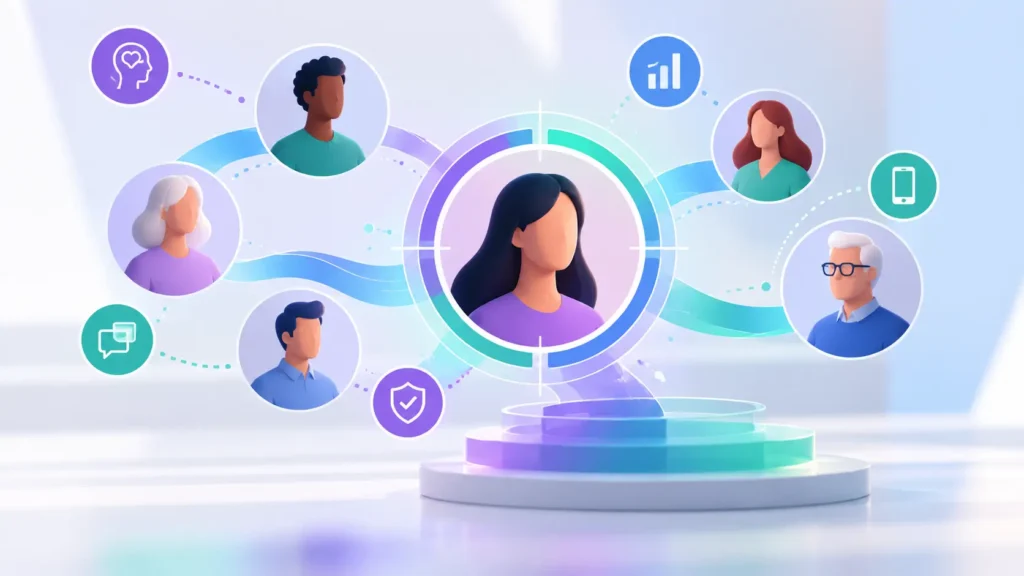
The survey defined emerging media as social and digital channels like social media, video content, podcasts, independent digital newsletters and discussion sites, in contrast to traditional media sources like TV news, newspapers and legacy news websites. Of the surveyed consumers, around three-quarters said they use emerging media specifically for health information “sometimes” or “often,” while 54% said the same about social and video platforms.
After taking in health content from emerging media, about a quarter of consumers said they’ve changed an opinion and around one-third said it’s made them more confident in their opinions. Many go on to share the content (35%) or discuss it with others (41%), and nearly 30% said they were subsequently influenced to purchase a product or service.
That increased reliance comes even as patients and PCPs alike reported lower trust in emerging media. Across the board, when asked about their perceptions of bias in about a dozen channels, consumers were less likely to rate emerging channels as “fair” compared to traditional sources.
And, though more than 90% of consumers said influencers help them better understand current events and offer the type of “common sense” perspectives they’re after, less than half said they trust news influencers either “somewhat” or “a lot.”
HCPs are even more wary: Only 10% had the same level of trust in influencers. The surveyed doctors also expressed near-unanimous concern in how emerging media can blur the line between opinion and evidence and in how, with their reliance on influencers, patients are increasingly prioritizing personality over scientific evidence.
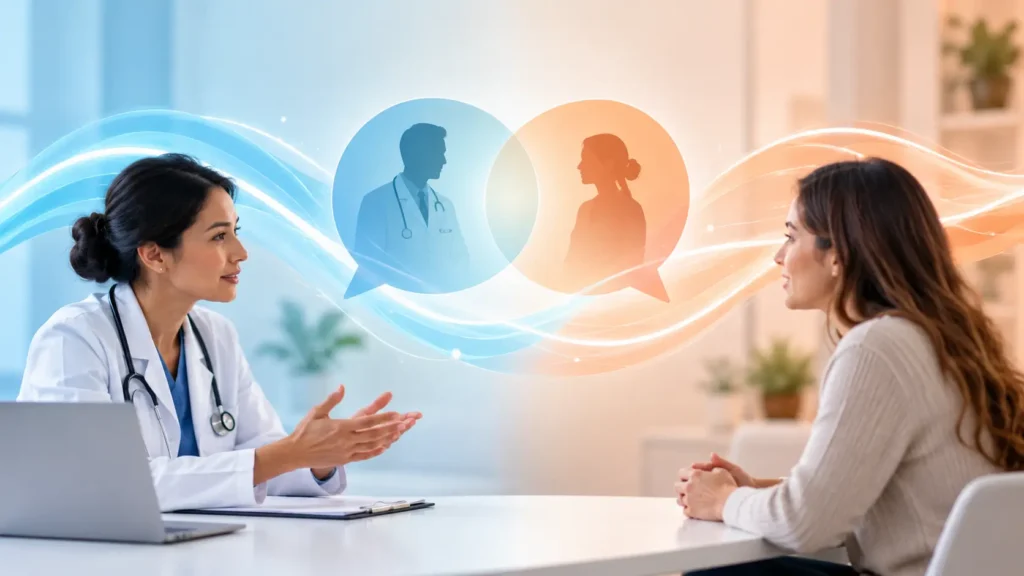
Almost all of the physicians said their patients now bring information from emerging media sources with them to appointments. In turn, around 70% said they now have to spend more time explaining and correcting misinformation, while almost as many said they’ve seen patient adherence decrease as a result. All together, 94% of the PCPs expressed worry that patient health will suffer if they trust emerging media sources over actual medical professionals, and 77% said they’re already seeing it happen.
solli’s Final Thoughts
Trust is a key piece of pharma media but, as the report demonstrates, so too is access to relatable, personable and “common sense” content.
In our rapidly changing media landscape, the most successful pharma marketers will be those that marry the two: both boosting the popularity and influence of trusted sources and working to make influential emerging media sources more trustworthy.
In practice, that may look like platforming HCPs and other experts as reliable influencers who can reach patients through more accessible formats, while also supplying online creators and channels with accurate, fact-based information to inform their outputs—ensuring via both approaches that patients are equipped with helpful, credible health information.