









Weber Shandwick, Reddit Report Highlights Community Focus in Women’s Health Ecosystem
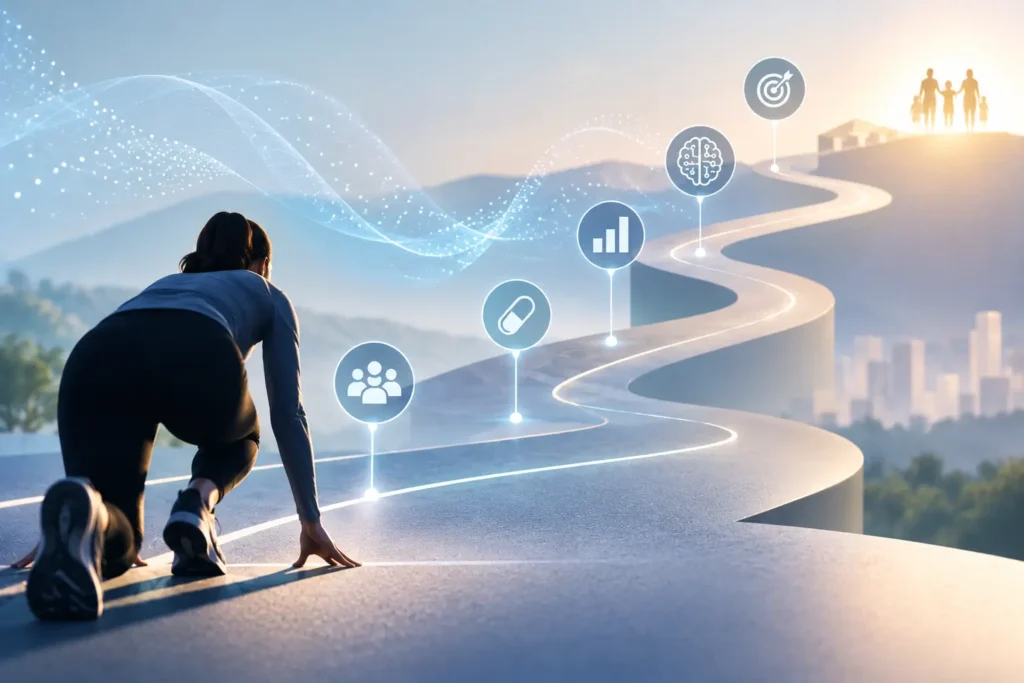
Marketers can help fill the gaps in women’s non-linear health journeys.
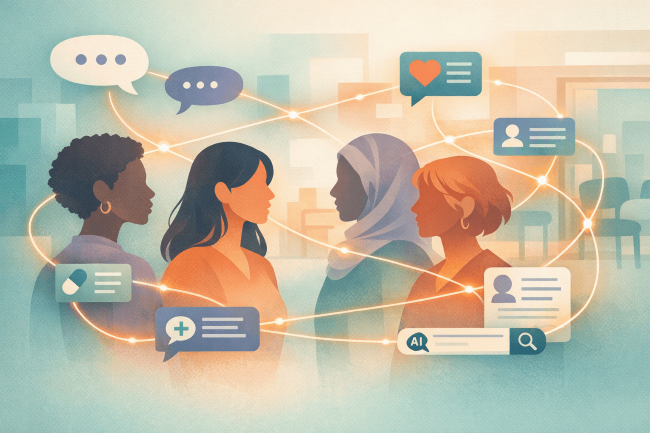
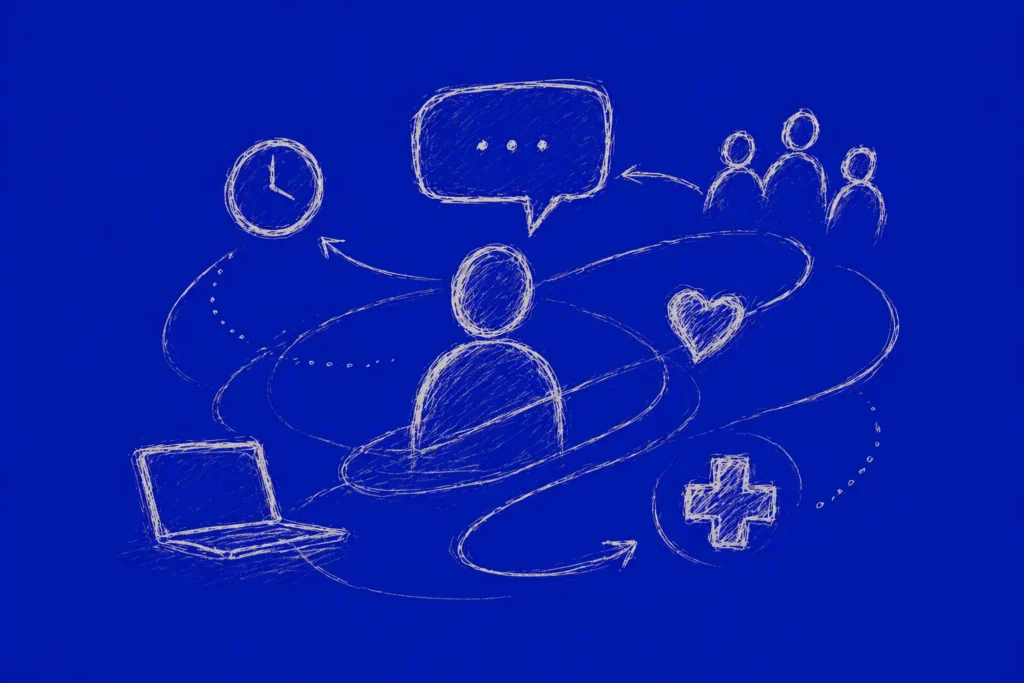
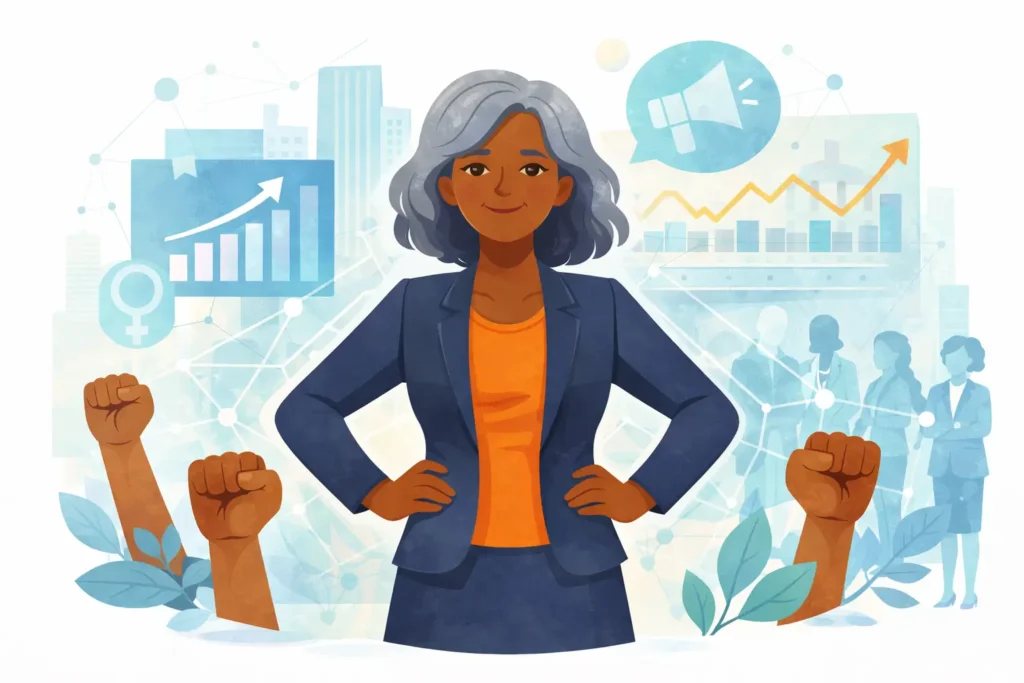
While navigating a healthcare landscape that has overwhelmingly neglected women’s health, many women have forged their own pathways to receive the care they need, largely built around far-reaching networks of support, according to a new report.
That community-based approach increasingly includes “crowdsourcing” lived experiences from online forums like Reddit—which co-authored the report alongside Weber Shandwick.
Women in the U.S. surveyed by Reddit said their top sources for health information and emotional support are friends and family, outpacing healthcare providers by a solid margin. And more of the respondents said they were comfortable talking about sensitive health topics anonymously on Reddit (81%) than with their friends and family (72%).
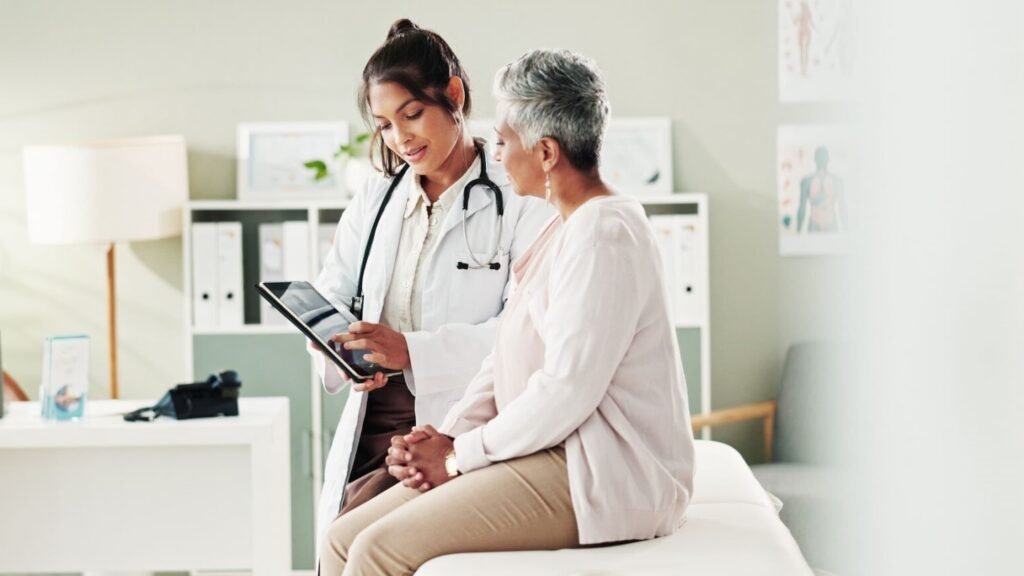
Women often find that clinical information either doesn’t address their specific medical concerns or doesn’t match with their lived experiences, which can in turn lead to less-than-comprehensive training for medical professionals, per the report. Many of those surveyed said they’re looking for more or better information about things like what certain symptoms actually feel like, how a health condition may affect emotions and what constitutes as “normal” for those with a particular condition.
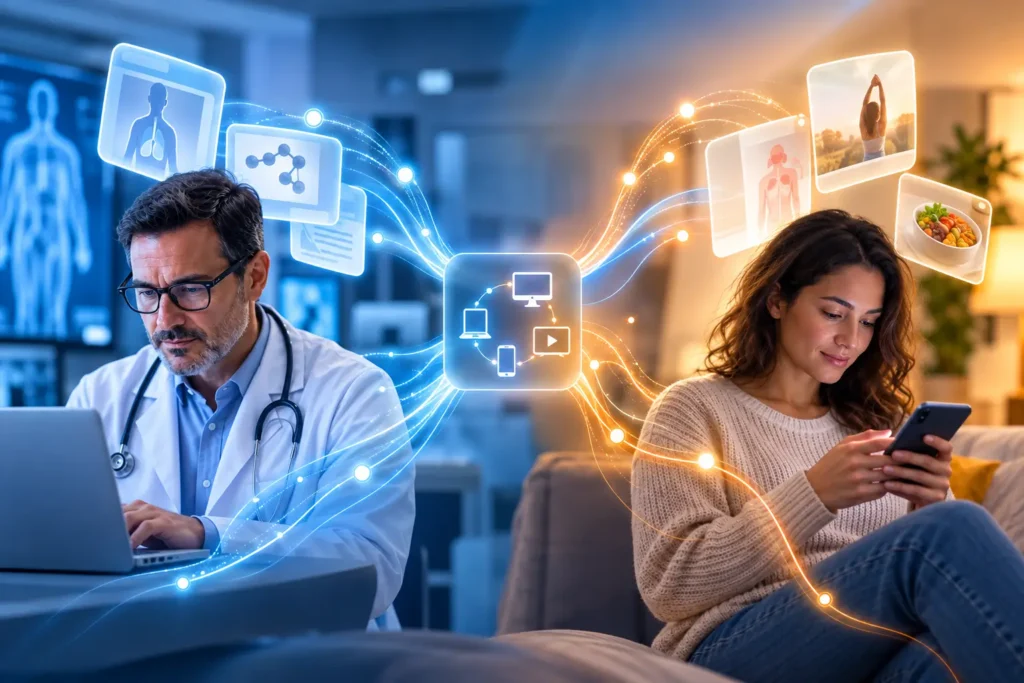
The research also found that women who use Reddit to seek out health information are very likely to cross-reference their findings with AI tools, further painting a picture of a highly engaged, proactive patient well-equipped for empowered conversations with care teams.
And the findings carried over to many women’s partners, who are reportedly also turning to online communities like Reddit and AI tools like ChatGPT and Gemini—at even higher rates than the surveyed women—to better understand what their partners are going through and how they can best offer support.
solli’s Final Thoughts
Though primarily focused on Reddit, the report’s findings offer plenty of valuable insights for pharma media that go far beyond the platform, namely a close look at the often-disjointed nature of the women’s health journey and the off- and online community support that many women are increasingly turning to in order to fill those gaps.
Health and pharma marketers can also play a role in closing those gaps by creating content that answers the questions that women are asking in online forums and to AI chatbots, as the report noted in a conclusion offering three action items for marketers to better serve their female audiences.
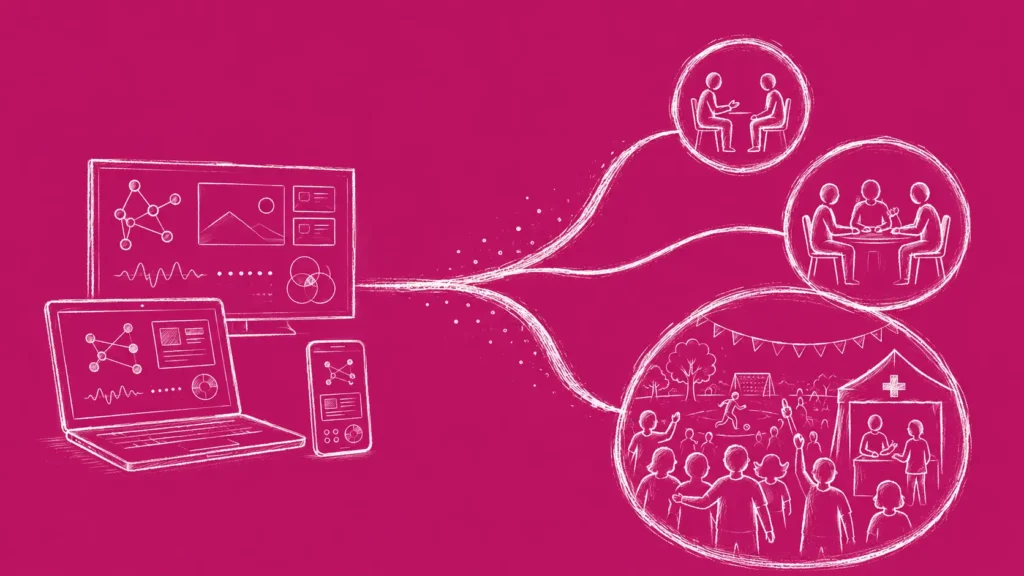
Also on the list was a call for “robust, multichannel ecosystems” that ensure brands’ health information reaches patients where they’re actually searching for it, as well as a request for marketers to prioritize transparency and de-stigmatization in women’s health content: validating and demystifying the experiences of stages like postpartum, perimenopause, menopause and more.
The overall takeaway: Women’s health has been overlooked for far too long, prompting women to take their health journeys into their own hands and, in turn, opening up a powerful patient-engagement opportunity for pharma marketers to offer the supportive, accessible and empathetic information they’re seeking on the platforms they’re already visiting.