




















epocrates Taps Glass Health to Expand AI Assist’s Clinical Capabilities
The partnership brings broader clinical decision support into an app used by more than one million clinicians.

epocrates has partnered with Glass Health to expand the clinical decision support available through AI Assist, its conversational AI tool.
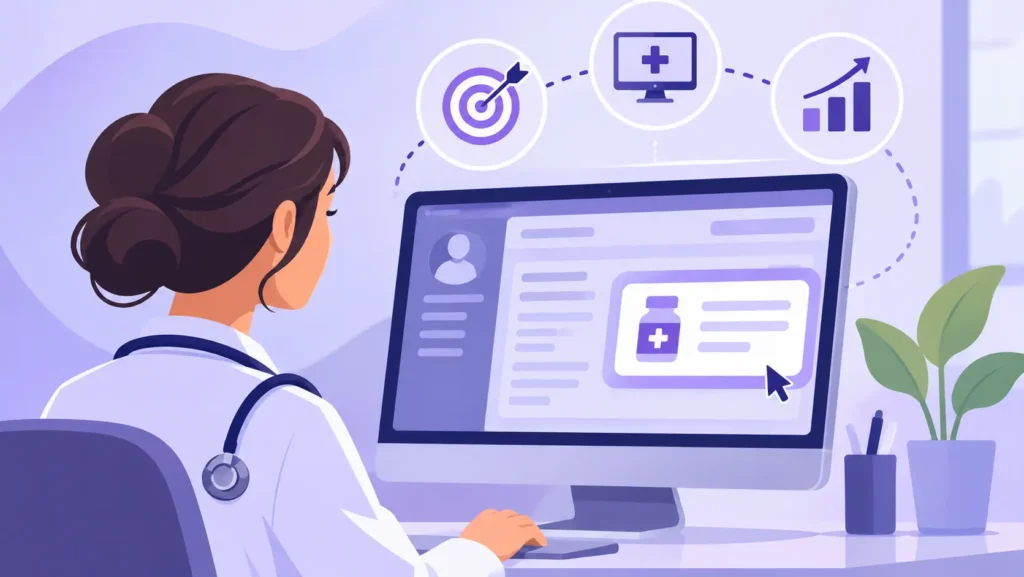
The integration brings Glass Health’s clinical AI model into the epocrates app, allowing clinicians to explore broader clinical questions alongside drug information and ask follow-up questions within the same experience.
According to the announcement, epocrates selected Glass Health after evaluating potential partners for answer accuracy, supporting evidence, performance on independent benchmarks and compatibility with AI Assist. Physicians and pharmacists from epocrates’ clinical and medical information team helped assess the options.
“As clinicians bring broader questions to AI Assist, we wanted a partner held to the same standard,” said David Minkin, president and general manager of epocrates.
The expanded capability is available to epocrates+ users, with rollout to all users planned over the coming weeks. AI Assist will remain in beta during that rollout.
The development comes as epocrates, an athenahealth company, also expands its role in pharma media. In May, it announced a partnership with DeepIntent to make its clinical advertising inventory available programmatically, enabling campaigns informed by contextual signals such as drug lookups and clinical activity.
The Glass Health announcement does not detail new advertising placements within AI Assist.
solli’s Final Thoughts
For pharma marketers, developments like this could change how clinicians engage with familiar reference platforms. A conversation that supports several related questions may create different patterns of attention from a single drug lookup.
That makes adoption, repeat usage and the relationship between clinical content and commercial placements useful areas for media planners to watch. Any opportunity will depend on preserving the quality and independence of the information that makes these environments valuable to HCPs in the first place.