






















2027: The Year of the Compliance Hero
Pharma’s next leap forward needs its compliance heroes.


This article is part of solli’s November series exploring Data, Privacy and Compliance
If we’re going to give 2027 a label, I’d be happy with “The Year of the Compliance Hero.” Not only would it mark a change from naming another year after a technology, but our medical, legal and regulatory colleagues have also earned a bit of attention beyond the occasional enquiry about why a campaign hasn’t been approved.
You probably have someone in mind already. A reviewer who understood what you were trying to achieve and helped find a way through, even when the first version was going nowhere. Perhaps an awkward question about the evidence led to a slightly uncomfortable conversation and, eventually, a considerably better idea.
Those contributions tend to disappear into the finished campaign. The creative gets discussed, the technology gets demonstrated and the results get a slide. Somewhere along the way, “MLR approved it” becomes the entire account of a rather more interesting contribution.
More content, same afternoon
There is a particular reason to revisit that contribution now. Generative AI has accelerated content creation, while agentic tools promise to take on more of the production workflow. Our ability to produce another version is becoming less of a constraint. Finding the time to consider what that version actually says is another matter.
Veeva described the pressure earlier this year: Content volumes are rising while MLR resources remain stagnant or decrease. Review technology is developing, but where that support has yet to catch up, the immediate result is more work arriving in the queue. A productivity breakthrough can look rather different depending on where you sit in the process.
What interests me is the imbalance in our enthusiasm. We are rightly curious about what new technology could make possible. There is less glamour in discussing review capacity, training time or whether an approval workflow is ready for the volume being promised. Yet those questions have a fairly direct bearing on whether the investment will deliver anything useful.
This is where our compliance heroes belong in the innovation story. The judgement that makes a new approach workable is part of the achievement, even if it is difficult to show in a product demonstration.
The scrutiny is intensifying, too
All of this is happening as the Trump administration is taking a much closer interest in how pharma advertising operates. In September 2025, the FDA announced approximately 100 cease-and-desist letters, alongside thousands of broader letters warning companies to remove misleading advertising. In March 2026, the agency announced another 30 warning letters to telehealth companies over claims about compounded GLP-1 products. The renewed attention has continued well beyond the initial announcement.
The administration is also looking at the allowances on which established advertising formats depend. The FDA’s regulatory agenda targets December 2026 for a proposal to remove the “adequate provision” option used in broadcast prescription drug advertising to direct audiences elsewhere for further safety information. This remains planned rulemaking, but the implications could reach well beyond the wording of an advertisement, affecting airtime, creative choices and media economics. That is a substantial consideration for anyone putting together a 2027 plan.
AI adds another moving part. New York state’s disclosure requirements for certain advertisements featuring AI-generated synthetic performers took effect in June 2026. This is general advertising legislation, with implications for pharma’s use of synthetic spokespeople. An apparently straightforward production decision can now bring an additional set of questions about where an advertisement will appear and what the audience needs to know.
In the UK, the PMCPA is applying existing ABPI Code responsibilities to AI-assisted review, calling for appropriate training, risk assessment and governance. Its guidance makes clear that certification requirements cannot be fulfilled solely by AI. The technology is developing quickly; responsibility for the resulting communication remains with the company.
Amid all of that, it is quite a moment to expect review to become easier simply because production has become faster. Compliance expertise is needed to help us work out what has changed, what is still being proposed and what either means for the next idea. That gives our compliance heroes a considerable role in shaping the investment and ambition for 2027, well before there is a finished campaign to approve.
A proper say in what comes next
“Bring MLR in early” is familiar enough advice. I doubt many solli readers need persuading. The more revealing question is what remains open for discussion when the conversation starts.
If a supplier has already been chosen and an outcome promised, there may be very little room to shape the approach. Earlier involvement becomes interesting when medical, legal and regulatory expertise can influence the investment itself and make suggestions. We hear plenty about what needs approval; I would also like to hear more about what our MLR colleagues would like to make possible.
A small pilot jointly led by media and MLR could give that ambition some substance. Working through a new platform together, with access to the supplier and time to test its limitations, creates an opportunity to shape how the technology is used. The remit might include deciding where automation is useful, where human judgement remains essential and what would justify taking the idea further. There is a real project to influence and experience to build on.
Those conversations become easier when we know each other’s work. There is a considerable difference between receiving a comment from an approval system and discussing the same point with someone whose judgement we understand. Familiarity will not remove every disagreement, but it can help us get to the substance without spending half the conversation defending our intentions.

Training & resources
Media training for MLR teams gives that partnership more depth. Understanding how audiences are built, how placements behave and what a platform can change automatically helps us ask better questions. Equally, a better understanding of the evidence can change how a media brief is written.
At solli, we’re trying to contribute to this through our training, which covers the pharma media ecosystem, campaign lifecycles and differences between markets. More shared learning across media and compliance could help create space for conversations about actual campaigns and possibilities we have yet to explore.
For that learning to lead anywhere, the organisation has to make room for it. Co-leading a project or completing a course is difficult when the workload remains unchanged. Leadership support becomes tangible when time is protected, uncomfortable findings inform the plan and valuable contributions count towards future responsibility.
As an AI-driven headcount squeeze is being felt across the pharma media industry, compliance is one area that should receive the opposite treatment. We should proactively increase headcount and technology support in this function to take advantage of this technological golden age. Without the right training and resources, it is difficult to become a compliance hero.
Beyond the approval email
There is also something to be said for sharing more of what happens afterwards. If our experience of a campaign consists mainly of disputed wording and urgent requests, we miss much of its life. Audience feedback, questions from HCPs and the things that worked unexpectedly well all help connect careful decisions with their eventual value.
That is part of a lasting partnership, too. The learning carries into the next brief, and the satisfaction of a successful campaign becomes something we share more fully. Respect also matters when the conclusion is that an idea needs to change or should not run. Appreciation would be a curious thing if it depended entirely on getting a yes.
When the case study is written, there is room for a fuller account of how the work became possible. There is room on the conference panel, too. Recognition like this helps establish whose expertise we value and who gets the opportunity to lead the next project. It gives the idea of a compliance hero something to grow into.
Our technological ambition will only move as fast as we equip and support our compliance heroes to carry it forward. That means allowing for the time it takes to learn, investing in the tools that make the workload manageable and backing the judgement that follows. I would like to see those commitments receive the same enthusiasm as the next technology launch. They have just as much to do with whether innovation makes it into the world—and whether it deserves the trust of the patients and HCPs it reaches.
Share this with a compliance colleague, or anyone who needs to hear it as we look towards 2027.
Related solli Training Course:
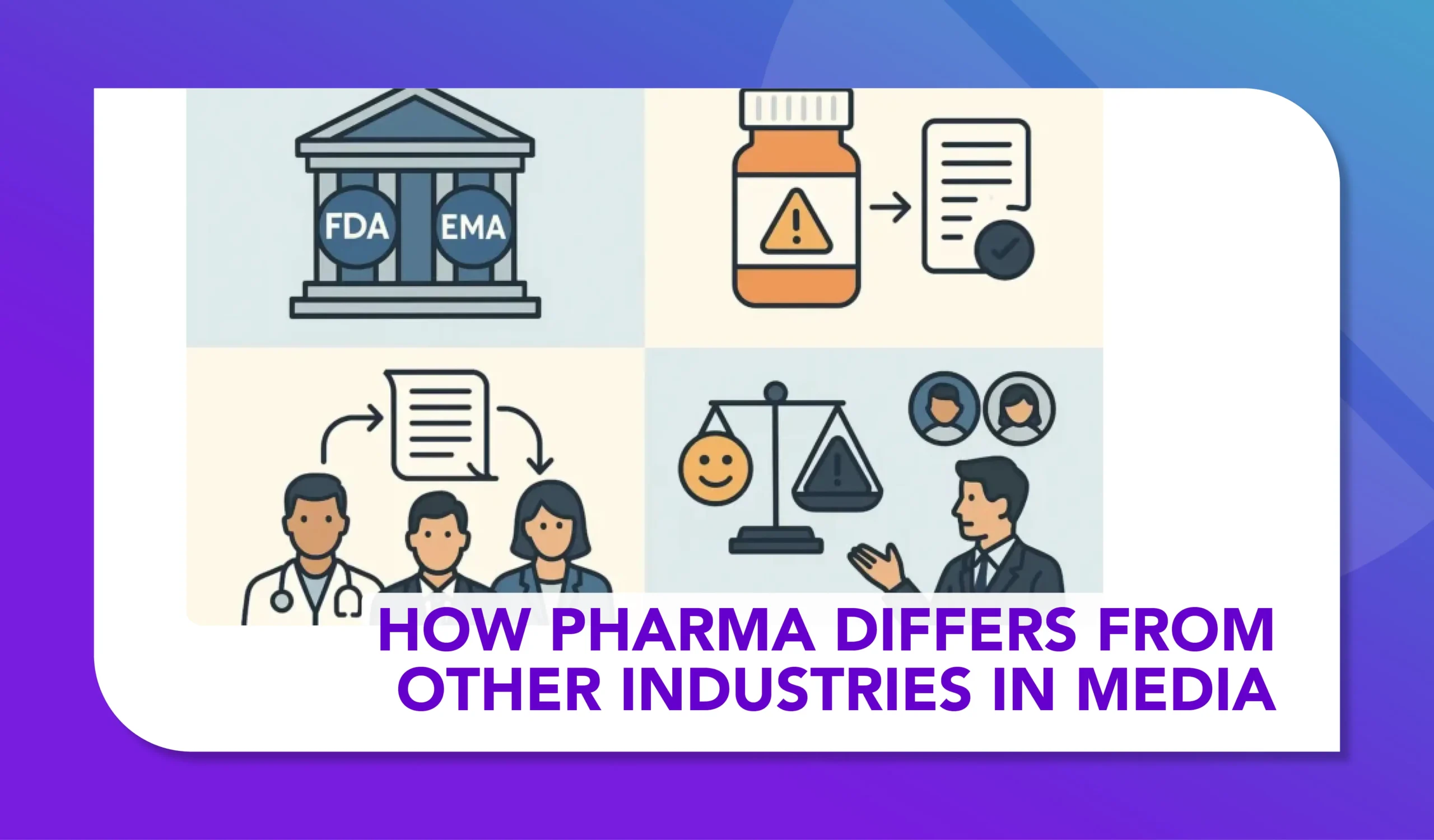
Interested in learning more about regulatory requirements in pharma media? Dive even deeper with this training course on the unique rules and challenges that set pharma media apart from other industries.