






















AI Benchmark Highlights Reliability Challenges in Life Sciences Content Creation
An evaluation of four generative AI platforms highlights the importance of scientific accuracy and task-specific capabilities.

A new evaluation from Sciencia suggests that strong writing capabilities do not necessarily translate into scientific reliability when using generative AI for life sciences content development.
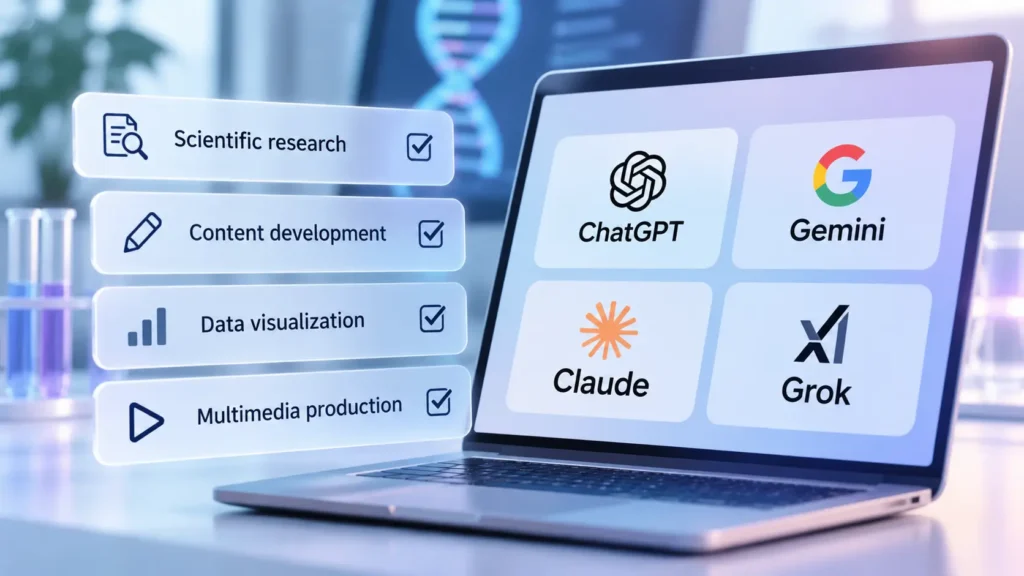
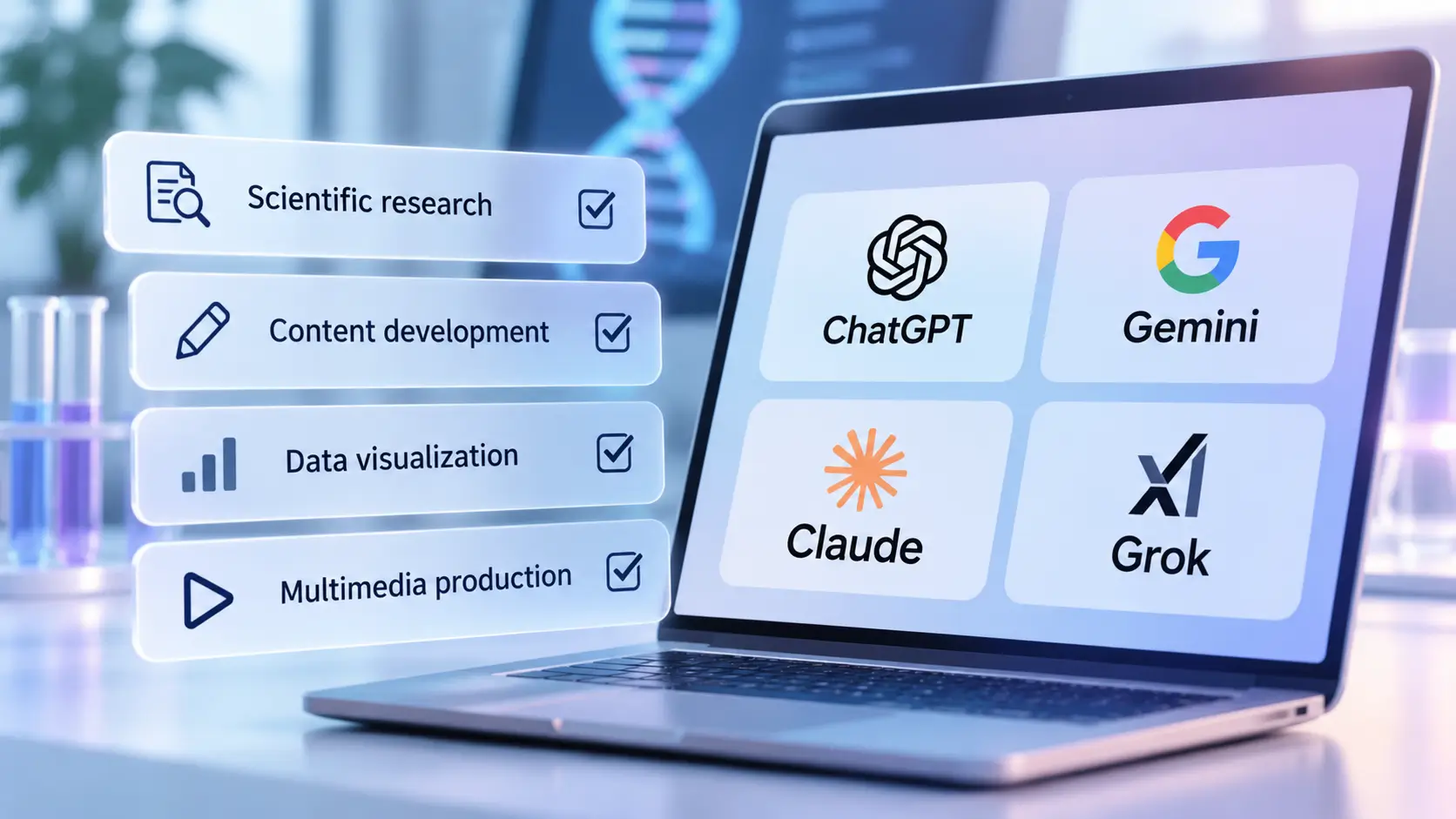
The study assessed ChatGPT, Claude, Gemini and Grok across 38 tasks, including scientific research, content development and multimedia production.
Claude achieved the highest instruction compliance score (94.8%), followed by ChatGPT (92.2%), Grok (84.3%) and Gemini (83.7%).
However, the evaluation identified instances of incomplete scientific summaries, inaccurate clinical endpoint reporting and unsupported assumptions when processing clinical data.
The findings also revealed differences in multimedia capabilities, suggesting that different platforms may be better suited to different stages of content development.
The exploratory study tested free access versions of each platform, with one response per task.
solli’s Final Thoughts
For pharma marketers, a clinical summary can read well and still misstate the endpoint. The question when choosing an AI platform is how reliably it performs the task at hand. With one response per task, Sciencia’s findings give teams a starting point for their own testing.
That testing matters even more when teams build applications on top of these models. Before launch, pharma marketing and medical experts should help define what a good output looks like, test the application on representative briefs and refine it where it falls short. Their judgment should also shape the review process so that someone with the right expertise checks scientific claims against the source before publication.