
























Doceree Launches Unified Measurement Loop for HCP Campaign Channels
Brands can use the tool to track campaign outcomes across nine channels.
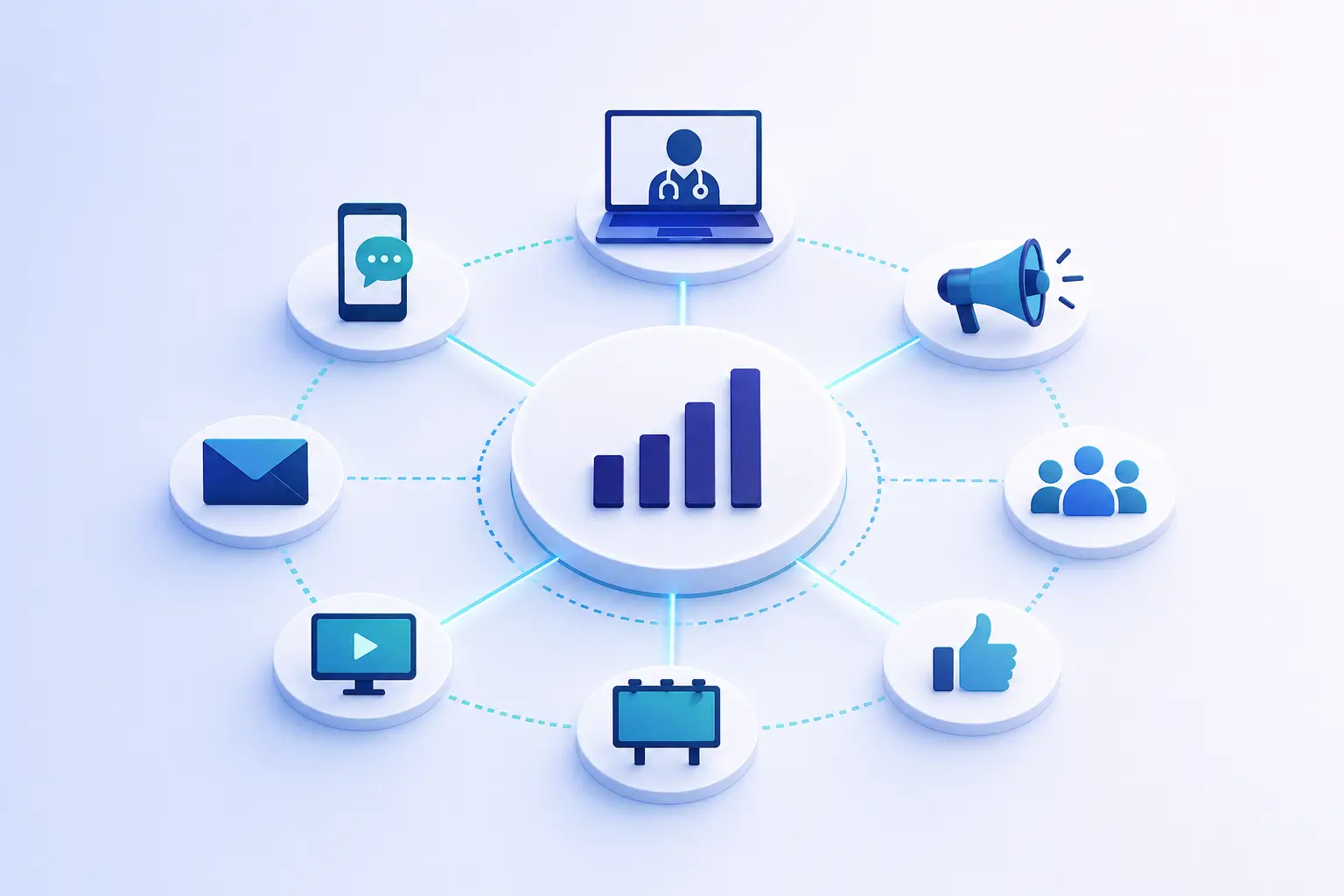
Doceree’s latest offering is aimed at standardizing campaign measurement across the channels commonly used to reach healthcare professionals.
The closed-loop measurement framework builds on Doceree’s existing measurement capabilities and also serves as the foundation of the company’s soon-to-launch Daily Command platform.
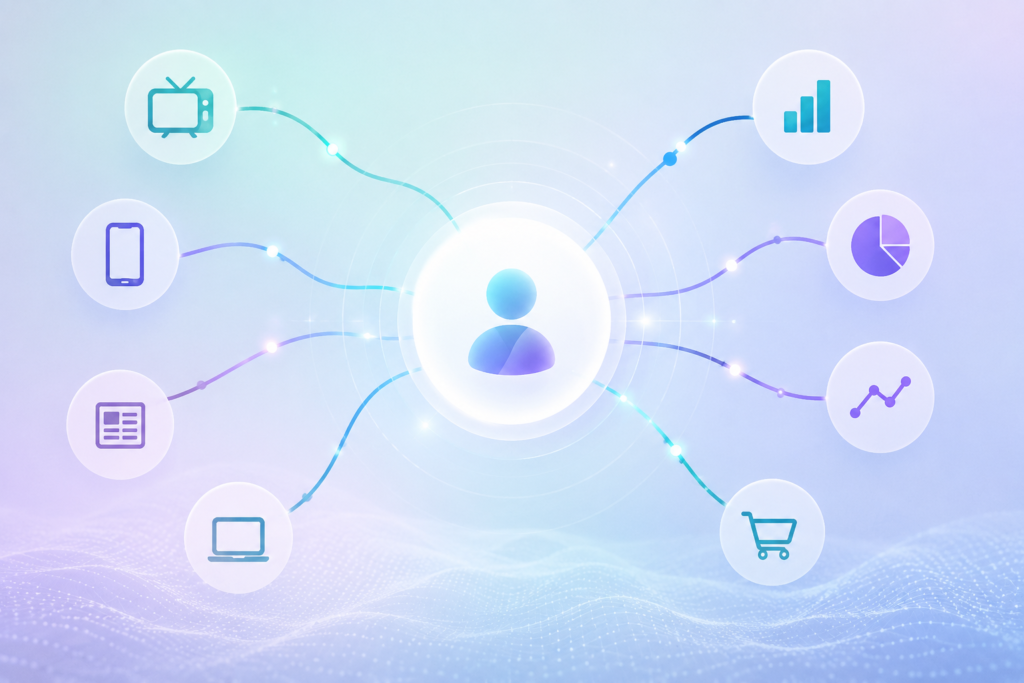
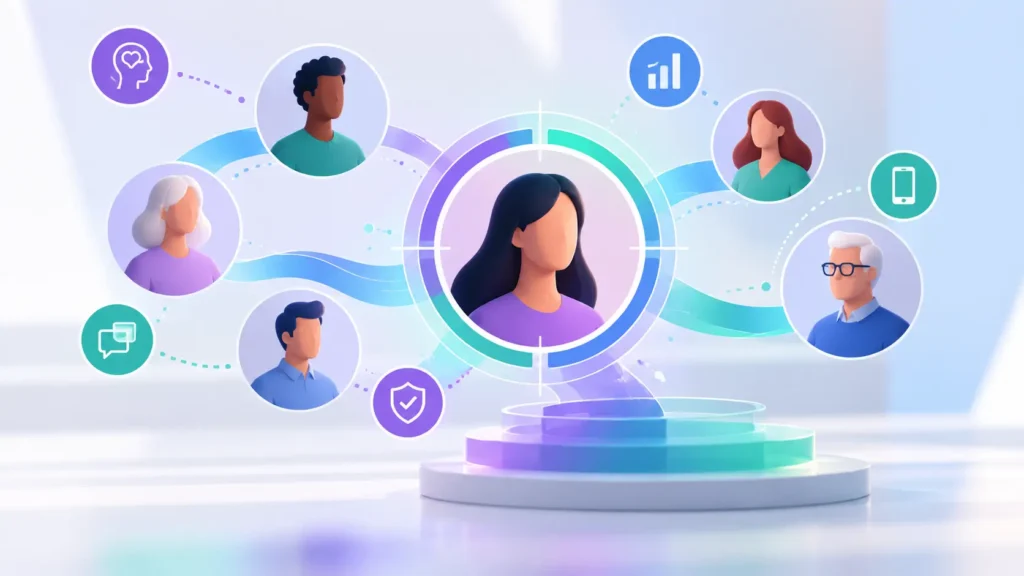
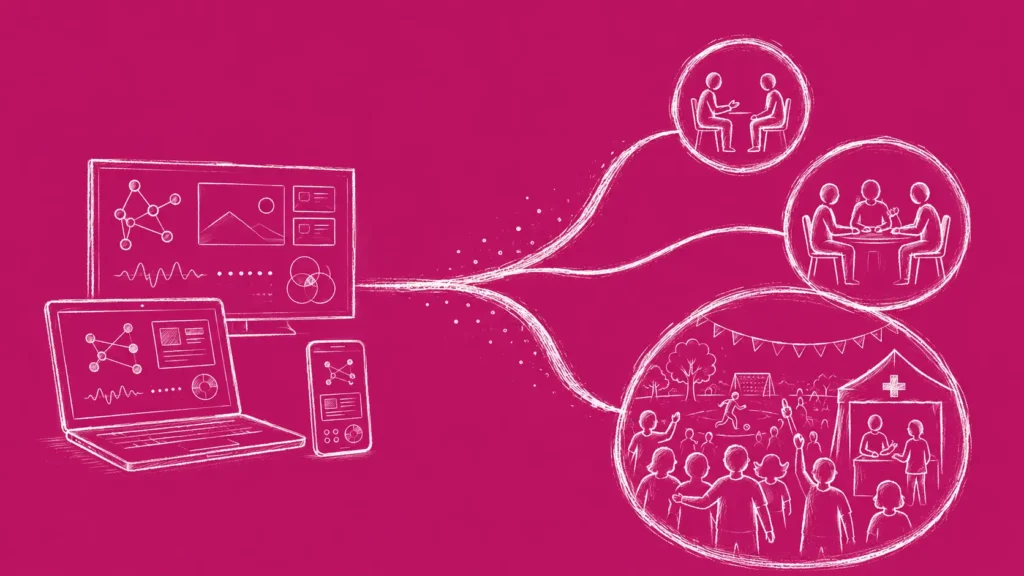
The technology encompasses nine HCP channels: point of care, programmatic, account-based marketing, copay, CTV, DOOH, social, email and text. It translates data—spanning investment, reach, performance and outcome—from all of those channels into a unified measurement language.
The aim, per Doceree’s Wednesday announcement, is to make it easier for marketers to assess and compare cross-channel results in one place, while also offering deeper insights into HCP engagement and outcomes than simple measures of impressions or clicks.
To that end, the platform offers datapoints like time in content and scroll depth, as well as a breakdown of what Doceree has termed Clinical Intent Signals, quantifying HCP actions that link campaign performance to the clinical decision-making process.
Clients with appropriate data permissions can also opt in to receiving physician-level engagement data via the measurement dashboard.
The expanded measurement capabilities will roll out to Doceree clients in the coming weeks, the company said in the release.
solli’s Final Thoughts
Calls for a unified measurement language are growing increasingly loud across pharma media, and tools like Doceree’s may offer one answer.
As new software and technology enable the creation of more comprehensive analytics dashboards for individual channels, marketers are now able to go deeper than ever on channel-specific outcomes. To put those results into context in an omnichannel world, however, the logical next development is the standardization of those analytics.
That type of unification would not only make marketers’ lives easier—combining disparate dashboards into one and allowing for more straightforward campaign performance assessments without needing to transpose each set of results into a different key—but could also unlock new insights into how an omnichannel campaign is performing both as a whole and on a channel-by-channel basis.