














Pharma Media at Fierce Pharma Week 2026
The conversations, trends and takeaways shaping pharma media and marketing at Fierce Pharma Week 2026.

What happens when the pharma media community comes together at one of the industry’s biggest events?
From thought-provoking discussions and emerging trends to valuable connections and candid conversations, Fierce Pharma Week 2026 offered plenty of insight into where the industry is heading next.
We asked leaders from across pharma media and healthcare marketing to take us inside their week in Philadelphia; sharing the ideas, conversations and moments that stood out to them most.

There is never a shortage of conversation at Fierce Pharma Week, and this year the best of it kept coming back to clinical signals and activating on them at moments that matter. What stayed with me is simple: the signal is the asset. Read clinical intent as it forms, and the right channel, moment, and message follow from it.
The Decision Moves Through The Whole Encounter
The prescribing moment conversation ran through the week, from my co-founder Harshit Jain’s fireside to the panel I moderated with clients like Bayer and others, “The Room Where It Happens.” One point stood out on that panel: a prescription decision forms across the physician, the patient, and the pharmacist, and no single touchpoint owns it. The clinical signal ties them together, cued by the clinic rather than the media calendar.
The AI Conversation Turned To Timing
AI was in every track, and the sharpest was about timing. Most HCP media still runs on claims data that lands weeks late. A clinical signal arrives as the decision forms; the question is whether every channel answers it in real time, including the big reach channels where the budget sits. Most cannot yet.
One Plan For Reach And Relevance
What I keep returning to: pharma still plans reach and relevance separately. One team chases scale, another the right moment, rarely sharing a signal or a scorecard. The best conversations were with people collapsing that into one motion, one signal, so a brand stops choosing between being seen and being relevant.
Agreeing the clinical signal matters is the easy part, and this year the industry agreed. Acting on it while the decision is live is the work, and the part I came home watching for.

Fierce Pharma Week was a great chance to step outside the day-to-day and spend time with people across life sciences, agencies, media and technology who are all thinking about where healthcare marketing goes next.
After more than 20 years on the agency side, one of the things I enjoyed most was reconnecting with former colleagues, catching up with longtime partners and meeting new people. Those conversations were a good reminder of just how connected our industry has become—and, at the same time, how much fragmentation still gets in the way. We’re working across more platforms, channels, partners and technologies than ever, which makes collaboration across organizations even more important. No one company or solution has all the answers.
That made the “Buying and Activating Media Across a Fragmented Ecosystem” panel I spoke on especially meaningful. Fragmentation was a challenge throughout my agency career, and it is still very real for brands today. One point that stayed with me: adding more channels does not automatically create a better experience. The opportunity is in connecting the dots—using technology and real-time data to make smarter decisions, coordinate engagement across the patient journey and make each interaction more relevant for HCPs and patients.
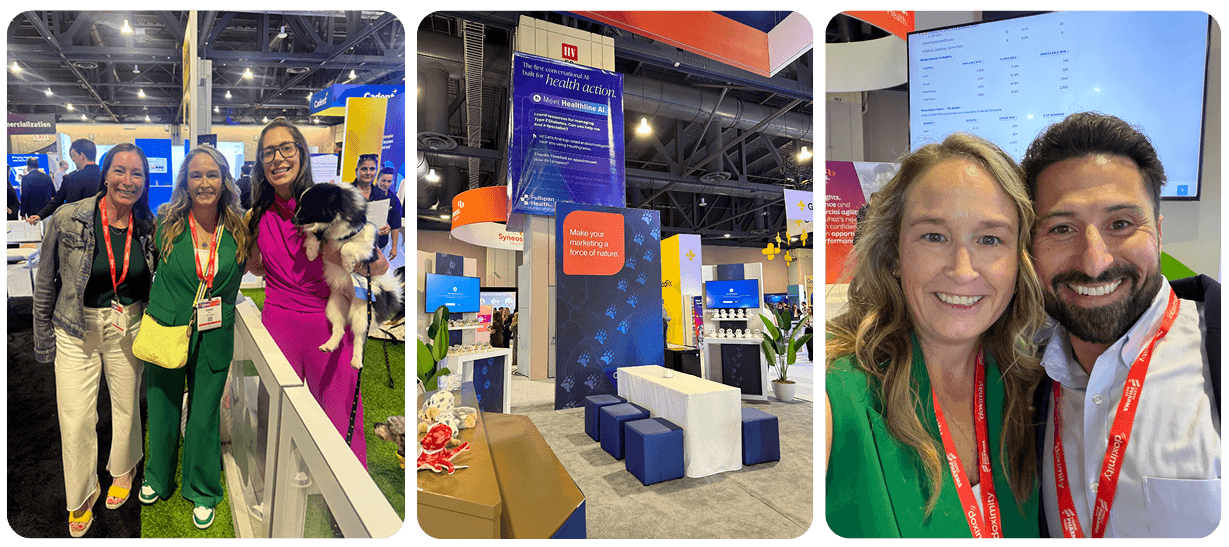
I left the week energized by how open and thoughtful the conversations were. Events like FPW are a reminder that relationships matter just as much as technology. I’m excited to bring those ideas and connections back to OptimizeRx as we keep working to make healthcare marketing more timely, coordinated and meaningful.

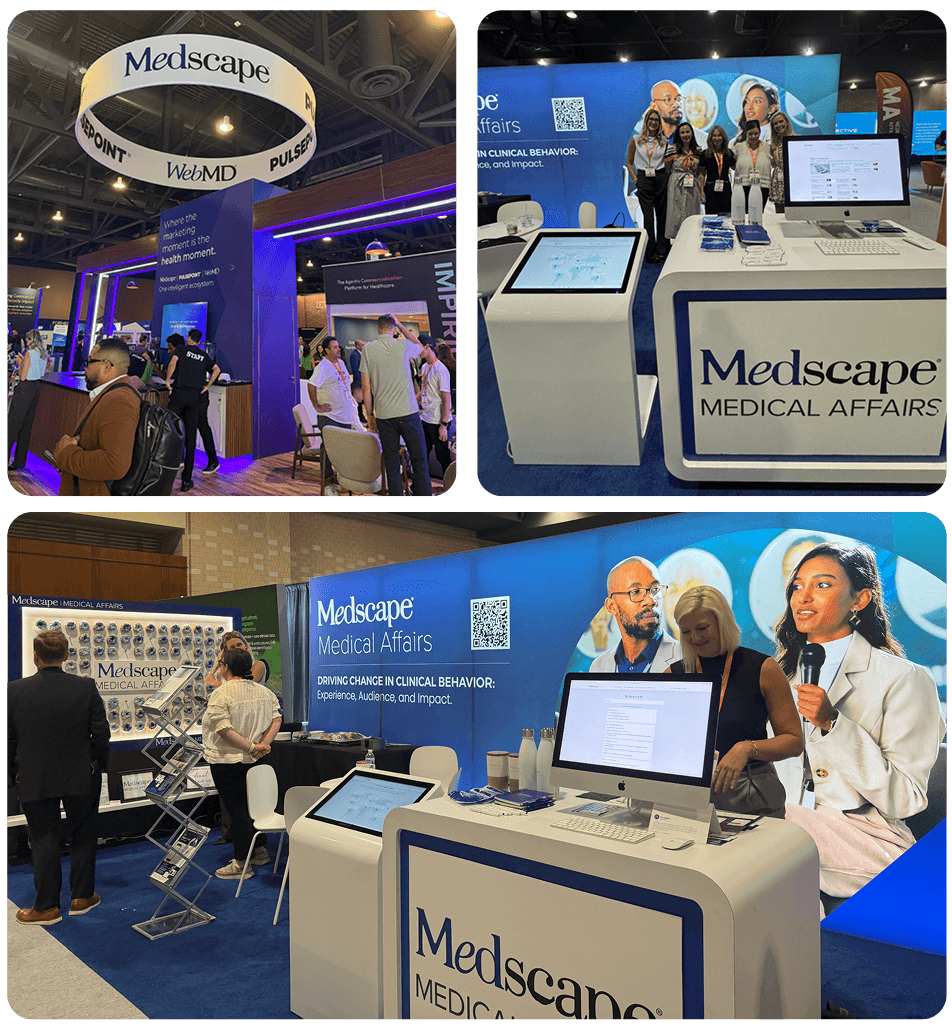
Attending Fierce Pharma Week reinforced a pivotal truth: modern pharma success hinges on unified, insight-driven execution. As commercial, marketing, PR, and medical teams convened to share strategies, the emphasis on cross-functional alignment was stronger than ever.
For Medscape Medical Affairs, the conference offered a great platform to discuss the evolving needs of healthcare providers. Reaching frontline physicians today requires more than broad outreach; it demands precision, relevance, and a deep understanding of clinical learning gaps.
Throughout the panels and peer exchanges, key discussions centered on how omnichannel strategies can be optimized to deliver continuous, impactful medical education. By pairing robust physician insights with targeted disease-state programs and literature elevation, life science organizations can cultivate genuine engagement that translates directly into clinical practice updates.
Equally inspiring was the shared industry focus on measuring tangible outcomes. Demonstrating clear impact on clinical behavior remains the gold standard for evaluating scientific exchange.
Fierce Pharma Week delivered on its promise to connect, inspire, and challenge life science leaders. Our team returns equipped with rich insights, ready to help our partners navigate complex markets, break down functional silos, and ultimately improve clinician engagement and patient outcomes worldwide.

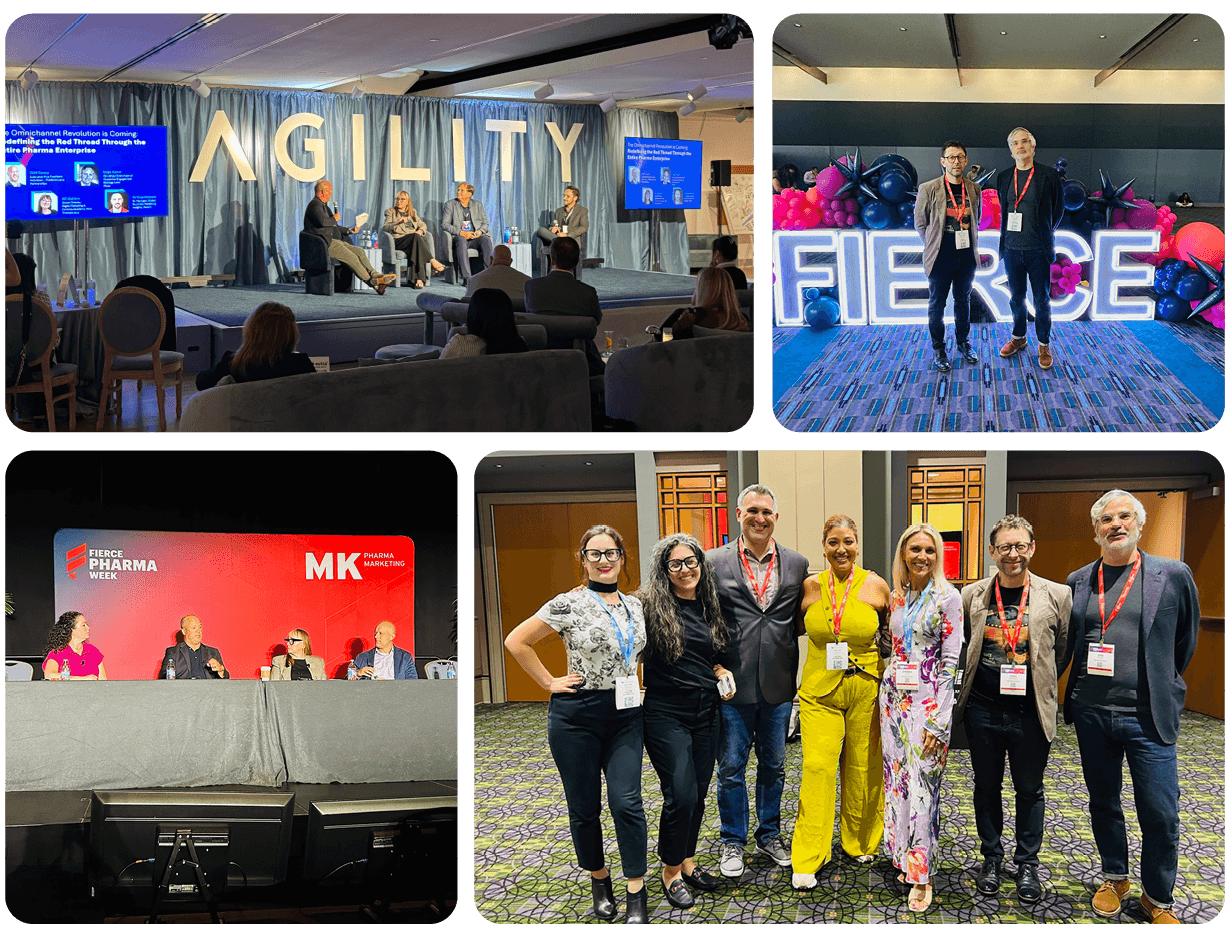
Omnichannel, AI, personalization, content, data – none of these were surprising themes at Fierce. What was more interesting to me was how much the conversation is shifting from having the capabilities to actually connecting them.
For years, omnichannel has often meant more channels, more data and more touchpoints. But that isn’t really the point anymore. The opportunity is actually in the decisioning. If your omnichannel strategy can’t tell you what should happen next, it’s not really omnichannel – it’s coordinated media.
What do we know about a patient or HCP right now? What signal has changed? What should happen next? What message, experience or action is most likely to move someone forward – and what do we learn from that response?
That requires HCP and patient strategies to stop operating in parallel. It requires content to become far more adaptive. It requires AI to do more than automate tasks – it should help us recognize signals, make better decisions and continually improve what happens next.
And ultimately, it changes how we think about measurement. Not simply, which channel performed? But did we change behavior? Did we move someone closer to treatment? Did the connected experience create a better outcome?
That, to me, is where the real opportunity is.

As Fierce Pharma Week wraps up, I am energized by one of the best weeks of the year for our industry. The energy is infectious and the conversations are inspiring. AI was naturally the topic of the year. The outcomes AI will have for our collective health, from innovation in medicine, to creating better experiences for HCPs and Patients alike, we are set for a seismic transformation. There was also a re-emergence of the word “omnichannel”, which I couldn’t be more thrilled about.
The continued increase in the data available, but more importantly through AI the ability to combine, understand and activate that data in platforms is what will give us the ability to truly deliver on the promise of Omnichannel, providing our audiences with experiences that meet them in their moments of need.
AI will give us the ability to identify insights, but more importantly activate and optimize on those insights in real time. Further, breaking down the traditional silos and integrating our strategies between our HCP and DTC audiences will lead to better communication between doctors and patients, leading to better health outcomes. While in years past much of the conversation felt a bit conceptual, we are finally at an inflection point to deliver experiences worthy of patients experience profound health decisions.

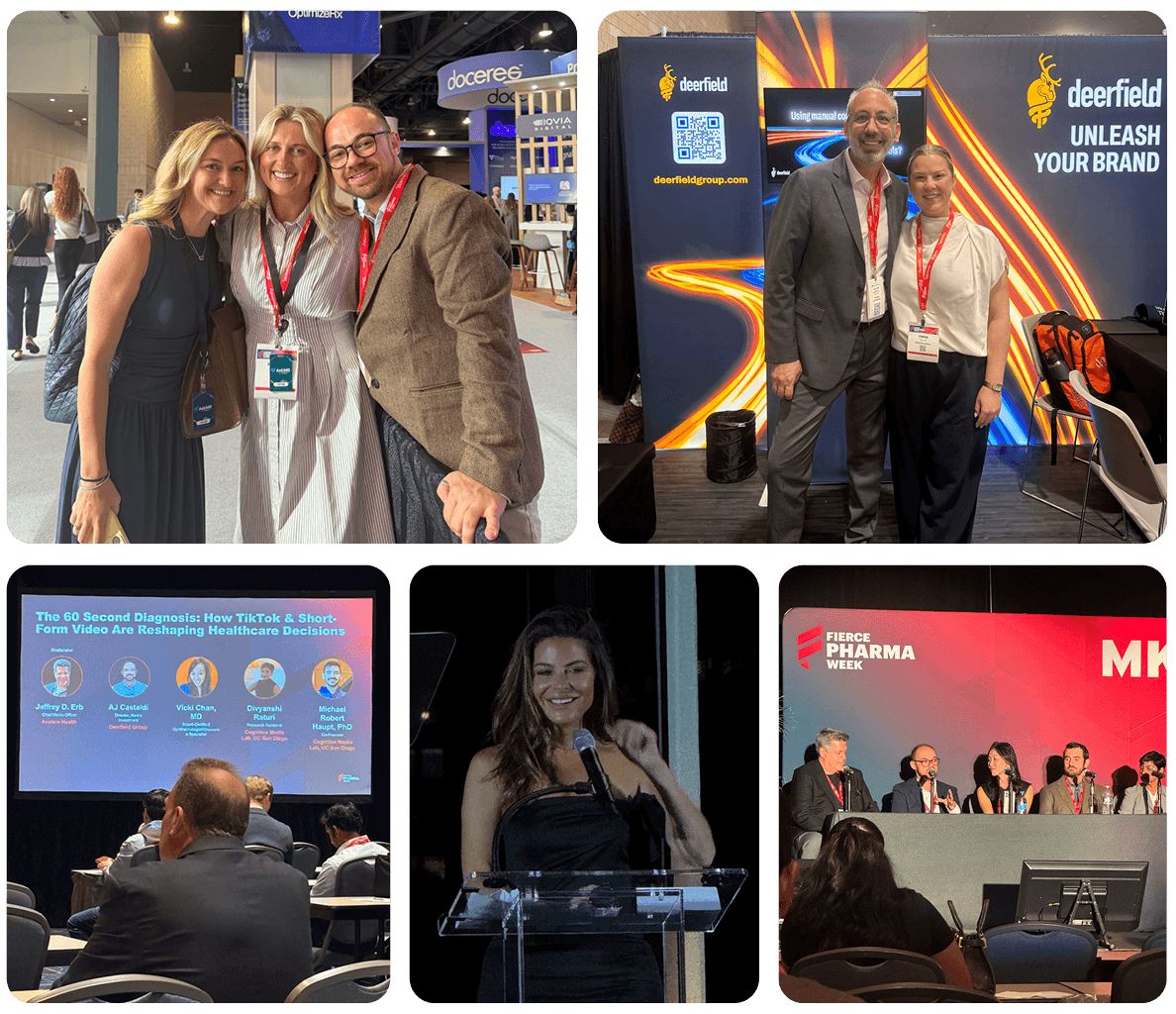
Fierce Pharma Week was a genuinely wonderful week, the kind that reminds you why this work matters. It left me thinking about something I believe is quietly reshaping our industry: the future of health media depends on transparent partnership, not just between agencies and clients, but across the whole ecosystem, partners, clients, and healthcare professionals working together with a shared sense of purpose.
I had the chance to speak on a panel about medical misinformation, and it left me with a truth I keep coming back to: patients today are arriving more informed, and often more overwhelmed, than ever before. They’re searching, researching, and forming opinions long before they ever sit down with a provider. That changes what’s asked of us as marketers. It’s no longer enough to simply deliver a message; we have to deliver the right message, at the right moment, with the kind of credibility that earns trust. And healthcare professionals aren’t just prescribers, or a stop along the way, they’re partners in that journey too, alongside the patients they serve.
Combating misinformation, I’ve come to believe, isn’t something any of us can do alone. It asks agencies, clients, and providers to align on the same facts, and the same care for the patient at the center of it all.
This year also marked Deerfield’s first booth at the conference, and it was lovely to watch that spirit come to life, in new conversations with potential clients, in warm reunions with existing ones, and in simply being part of a community built on trust.
I’m proud, and genuinely grateful, to belong to a community moving this industry toward something more honest and collaborative, where health media feels less like noise and more like a gentle hand pointing patients toward the care they need.


Beyond the AI Buzz: What Fierce Pharma Week 2026 Really Revealed
After more than 10 years attending Fierce Pharma Week, I’ve had the opportunity to watch this event, and healthcare advertising, evolve. This year in Philadelphia was another strong one: great content, better conversations, and parties that didn’t disappoint (though the stamina required gets tougher every year).
Beyond catching up with old friends and meeting a lot of new people, there were a few themes that really stood out to me.
AI was everywhere, but the conversation has moved past simply discussing it. The focus now is on applying AI across the full campaign lifecycle; planning, audience development, activation, optimization, and measurement to eliminate manual work, surface insights faster, and help planners and traders make better decisions.
Data quality matters just as much, and the two themes are connected: AI and automation are only as good as the data feeding them. Better identity, cleaner audience and healthcare data, and stronger measurement all matter more as platforms automate. Speed to data was a big part of this; the industry is shortening the feedback loop, shifting from retrospective reporting toward data that can actually influence a live campaign.
Evolution over revolution. Notably, I didn’t see many big product announcements claiming to reinvent the industry. Instead, companies focused on making existing platforms better; improving workflows, data, integrations, measurement, and campaign setup, with AI layered throughout. The next big innovation may not be a new standalone product, but making everything we’ve already built easier and smarter to use.
Fierce also reminded me how this remains a relationship-driven industry. The best conversations happened over coffee and dinner, and building trust between partners will always be a priority.
My takeaway: AI was the headline, but speed, data quality, and execution were the real story. The winners will be the companies that use AI to remove friction, not just talk about it.

What does the future of healthcare commercialization look like? We’re building it right here at Fierce Pharma Week.
Healthcare is in the middle of an AI rush. But the opportunity isn’t to give physicians more information. It’s to make that information actionable.
Physicians already have more tools, resources, and data than ever. The problem is what happens next. When a patient needs treatment, clinicians are still left navigating disconnected steps: finding the right resource, requesting samples, working through prior authorization, accessing patient support, or tracking down the right person at a pharmaceutical company.
The next generation of healthcare AI should remove that friction. It should understand context, anticipate what a physician needs, and coordinate the right resource, support, or human connection in real time. That’s the shift from AI that answers to agentic AI that acts.
At Impiricus, we’re building the agentic AI infrastructure to make that possible, transforming healthcare commercialization from information delivery to real-time clinical action. And because everything we build starts with physicians, we brought members of our Physician Advisory Board to Fierce Pharma Week to help shape the conversations around AI, commercialization, and physician engagement. That physician-first approach is fundamental to how we build.
This week, our team also delivered 400+ firsthand demos of our agentic AI technology, showing what happens when commercialization stops optimizing for more noise and starts coordinating meaningful action.
The future isn’t more engagement. It’s better support, exactly when physicians and patients need it.

I can hardly believe how quickly Fierce Pharma Week came and went. As always, I left with a notebook full of ideas, a renewed appreciation for the people pushing our industry forward, and maybe a few less hours of sleep than I started with.
One of the biggest themes I took away was the importance of understanding the human behind the data. We have access to more information than ever, but data alone doesn’t create belief in a product. The real opportunity is understanding behavior, emotion, motivation, fears, and lived experiences. One of my favorite sessions featured Zoe Lazarre, CMO of Genentech, alongside Damon Wayans, who reminded us that culture matters and, honestly, so does laughter.
Of course, AI was everywhere. The overall message was clear, AI isn’t replacing healthcare decision-making, it’s making it smarter. Providers are using AI to accelerate research and explore deeper questions, but the technology is only as good as the data behind it. Several sessions, including those featuring my colleagues Andrew Burkus, Kit Burkus, Luke Greenwalt, and Justin Rosen, reinforced just how important strong signals, trusted data, thoughtful measurement, and continuous optimization remain.
Beyond the sessions, the networking was a whirlwind in the best possible way. From post-lunch selfies after a great Capital Grille meal, to IQVIA Digital’s Reading Terminal Market event, to a late-night karaoke session with DeepIntent, there were plenty of opportunities to connect with clients and partners on a more personal level. It always amazes me how far these relationships extend year after year.
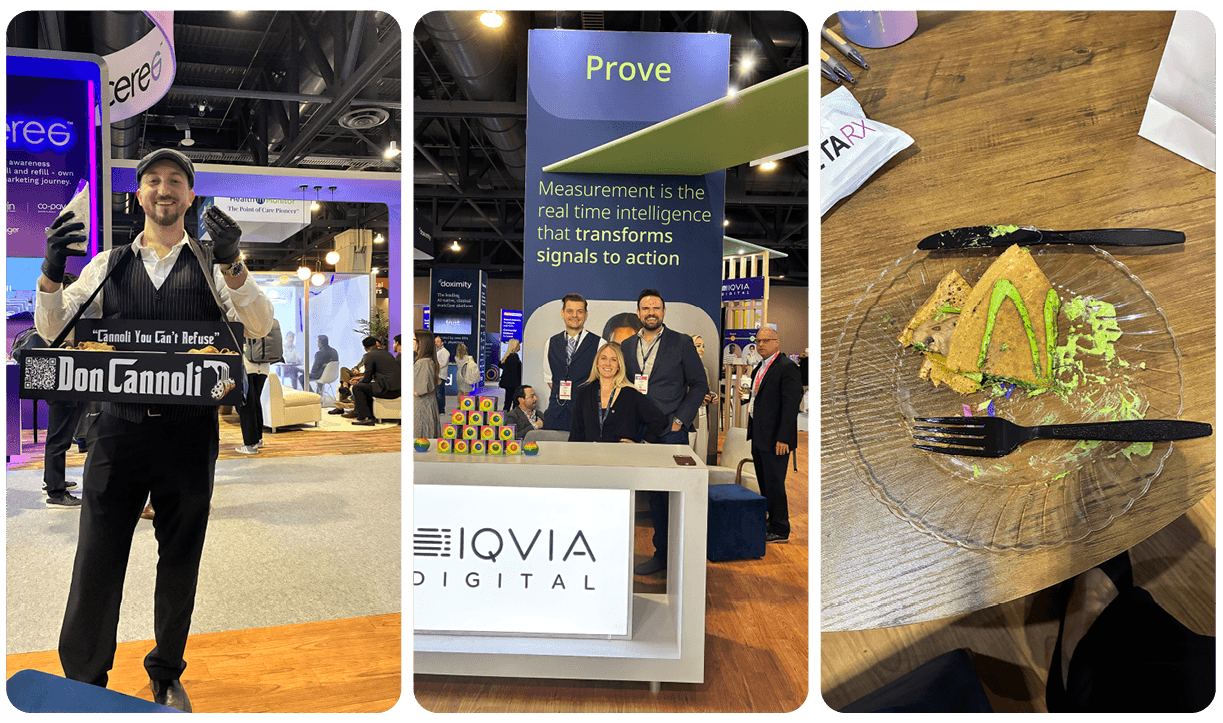
And let’s talk about the brand activations. The GoodRx puppies remain undefeated and will always be my personal favorite. When lunch seemed like an impossible dream, Zeta’s crepes came through in a big way, and the roaming cannoli cart was nothing short of chef’s kiss.
Fierce Pharma Week continues to strike the perfect balance between learning, relationship building, and having a little fun along the way. Every year I leave with new ideas, stronger relationships, and a fresh perspective on where our industry is headed. Already looking forward to next year.

My time at Fierce Pharma Week was a great opportunity to connect with industry leaders and hear how AI, personalization, and meaningful engagement are shaping the future of healthcare marketing. One theme that stood out across the panels was the importance of balancing automation with human oversight. While AI is accelerating the path from signal to decision, the most effective strategies still require thoughtful judgment, strong data foundations, and an understanding of the patient and HCP journey.
The conversations around intent signals and personalization reinforced that meaningful media is about more than simply reaching the right audience. Authenticity is becoming a key indicator of meaningful engagement. Context, timing, and understanding how audiences interact with content are critical to creating experiences that build trust rather than feel intrusive.
This is where I see a significant opportunity for Kargo. As a leader in the high impact advertising space, Kargo can help pharma brands translate these insights into engaging, authentic experiences through our Custom High Impact Display, Video and CTV solutions. By combining premium environments, creative storytelling, and interactive experiences across screens, we can help brands move beyond impressions and create connections that resonate with consumers.
I’m heading home excited about the opportunity to continue positioning Kargo as a strategic partner for pharma marketers navigating this evolving landscape. The future isn’t just about smarter automation or more personalized targeting. It’s about delivering meaningful media experiences that put authenticity, context, and the audience first.

If I had to pick one word that defined Fierce Pharma Week this year, it would be trust.
AI dominated conversations across the conference, and for good reason. The technology is rapidly changing how healthcare information is created, consumed, and shared. But as the industry embraces new tools and capabilities, a recurring theme emerged: innovation only creates value when people trust the information behind it.
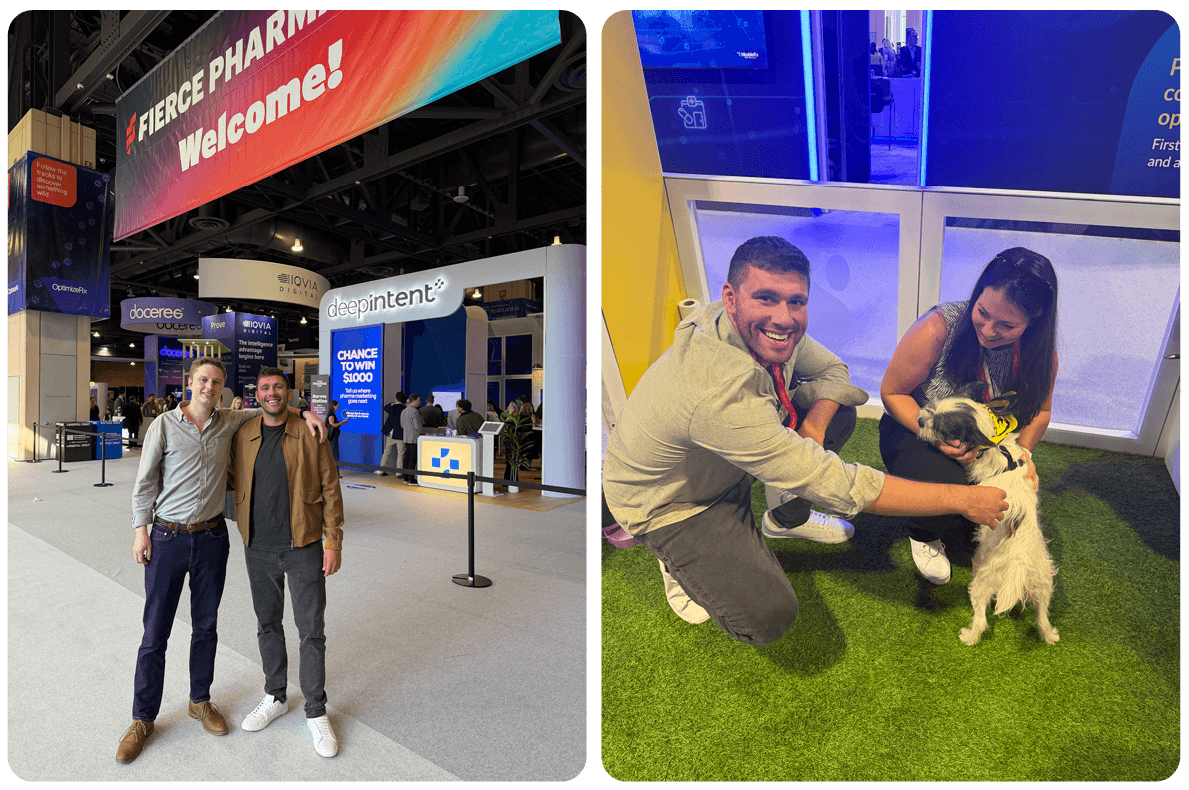
That message came through clearly during Sermo’s luncheon discussion, Fact, Fiction & the Exam Room, where we explored how social media, AI, and online health content are reshaping patient expectations. Physicians told us that patients increasingly arrive at appointments with AI-generated summaries, social media recommendations, and preconceived treatment opinions already in hand. The challenge isn’t that patients are seeking information. It’s ensuring physicians have access to credible, patient-friendly resources they can use to address misconceptions, build trust, and guide more informed treatment conversations.
What struck me throughout the week was that the industry’s conversation around AI has matured. The focus is no longer on the technology itself. Instead, leaders are asking how AI can be responsibly applied to improve decision-making, strengthen HCP engagement, and support better patient outcomes.
For pharmaceutical marketers and medical affairs teams, this creates both an opportunity and a responsibility. In a landscape increasingly shaped by algorithms, authentic human perspectives become even more valuable. Understanding what healthcare professionals are experiencing, what they’re hearing from patients, and what educational content they need to succeed has never been more important.
The future of healthcare may be powered by AI, but the strongest strategies will continue to be built on trust. And trust starts with listening to real healthcare professionals.

Fierce Pharma Week always delivers a great pulse check on where the digital healthcare marketing industry is headed and this year didn’t disappoint! While the discussions covered numerous topics, here are three themes that stood out to me:
The Industry is Zeroed in on AI & Its Potential
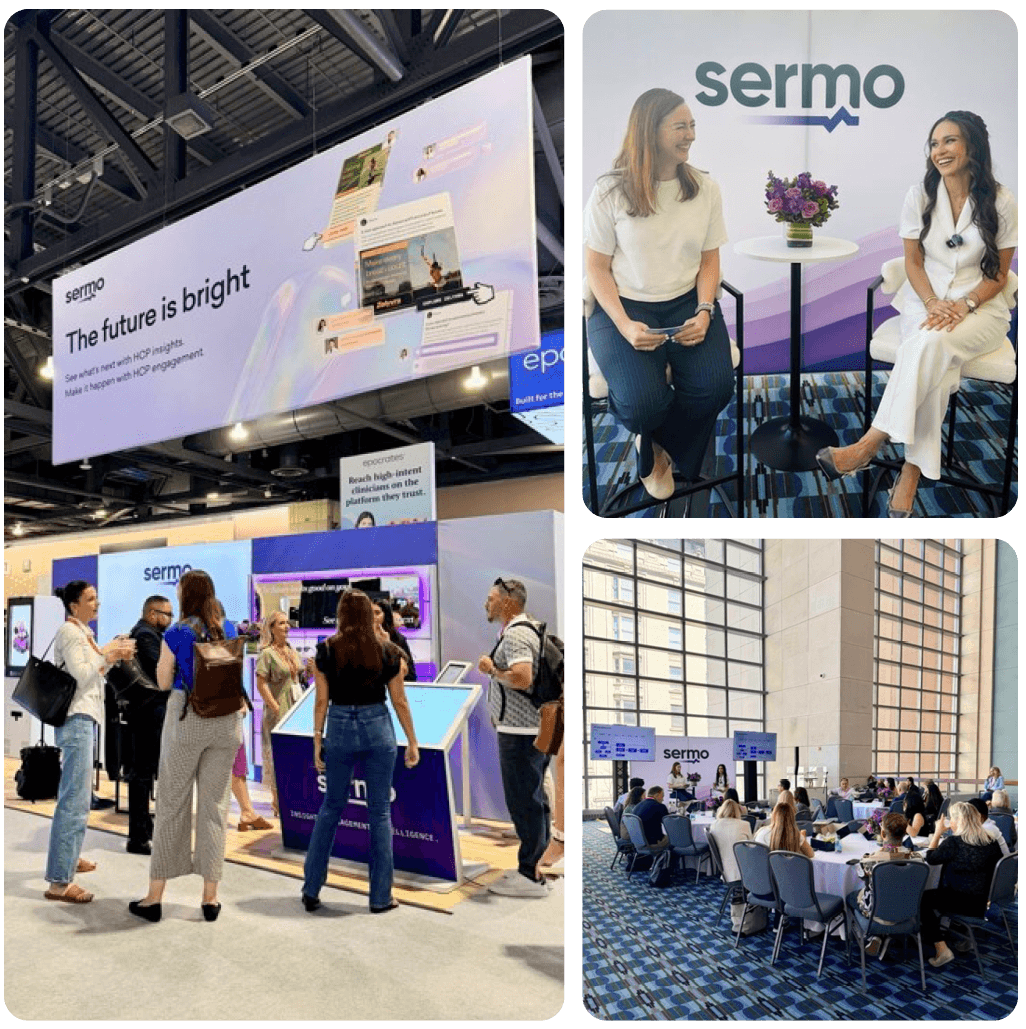
It felt really good that PulsePoint and Bayer walked away winners of a Fierce Pharma Marketing Award in the Best Use of AI category, especially when every platform, agency, and pharma company is exploring opportunities in this area. Unsurprisingly, many sessions and much of the expo hall were flooded with AI talk, and it’s clear the impact is already real: faster discovery, more personalized engagement, workflows that didn’t exist a few years ago, and streamlined legacy processes. But some of the more interesting conversations were about where the ceiling is. What can it be trusted to run on its own? How far can real-time personalization scale? What does that mean for our pharma and agency partners? That same “how far can this go” energy is why we brought Benji, our robot mascot repping PulsePoint’s Agentic Platform Hatch, to help ignite fun conversation around what is possible. While there is significant work and exploration still to be done, being recognized for our work in leveraging AI within our DSP is a great start!
Intelligent Channel Orchestration Is Now Real But It Must Be Grounded In Verified Data
I was honored to moderate a panel on channel orchestration with leaders from Digitas, PHM, and Sanofi, and the conversation kept circling back to the same theme: the data and technology have now advanced to where we can begin to intelligently unify media campaigns across all key channels and combine that with other critical data points like brand.com activity and sales force feedback. While there are still steps to take, the brands making progress are the ones addressing data quality and unification first, then building an orchestrated channel plan on top.
Scalable Programmatic EHR Has Elevated What’s Possible With Omnichannel
I enjoyed having dozens of conversations around programmatic activation within the EHR space and the consistent theme over two days was that it has fundamentally changed how brands can engage healthcare providers at the point of care. There’s now true recognition that in-workflow engagement fueled by tech platforms like DSPs enables brands to optimize in real time within an EHR, which means better outcomes. This advancement has significantly elevated what is possible for the channel and brought it into the same advanced space as many other HCP environments. Pharma no longer needs to look at EHR engagement as a standalone tactic because tech platforms enable it to be seamlessly orchestrated with the broader digital strategy allowing for unified and transparent activation, optimization and reporting.

What an invigorating, fast-paced, and also exhausting Fierce Pharma Week. Between logging serious steps and catching up with new and old friends, our MedPageToday and MedAffairsToday teams enjoyed an action-packed week.
AI was once again the talk of the show, but with a more practical twist as the focus shifted from the promise to proving the value and ensuring LLM accuracy. We definitely felt the collective data fatigue, but the consensus was clear: quality beats quantity. Instead of drowning in raw data, teams are tuning into actionable data signals, leveraging real-time behavioral and engagement cues to cut through the noise, build smarter programs, and restore trust with HCPs and patients.
Medical Affairs brought huge momentum to the event, showcasing how they’re leveling up omnichannel strategies to balance digital engagement with real human connection. They’re using AI for more personalization while working to understand and connect with the commercial side without losing scientific credibility.
I left with tired feet, a notebook packed with ideas, and real excitement for where our industry is headed. Above all, our team is proud to deliver the trusted clinical insights HCPs rely on to build trust, keep learning, and ultimately improve patient outcomes as that is the end goal for us all.

Fierce Pharma Week confirmed what I’ve been feeling all year: healthcare marketing is moving faster than ever. Nearly every session and side conversation came back to AI and data, but the ideas that stayed with me were about people.
Patients, caregivers, and providers each bring different needs to every interaction, and those needs never sit still. As targeting gets sharper and signals more sophisticated, our responsibility grows with it. The tools only matter if they help us show up with relevance and empathy, recognizing the person on the other side of every impression and using precision to earn trust rather than just attention. That’s how better engagement becomes better outcomes.
The hallway conversations were just as valuable as what happened on stage. Catching up with people I’ve known for years, meeting people I’ll be working with for years to come and comparing notes across every corner of the business, it struck me how generous this community is with its ideas. Coming from out-of-home media, I’m still amazed at how tight-knit pharma is; everyone seems two introductions away from everyone else.
I came home energized. The next chapter of healthcare engagement will be built on smarter data and better AI but judged by something simpler: whether it feels human. Precision is the price of entry. Meaning is the differentiator. I’m excited to help build both.