


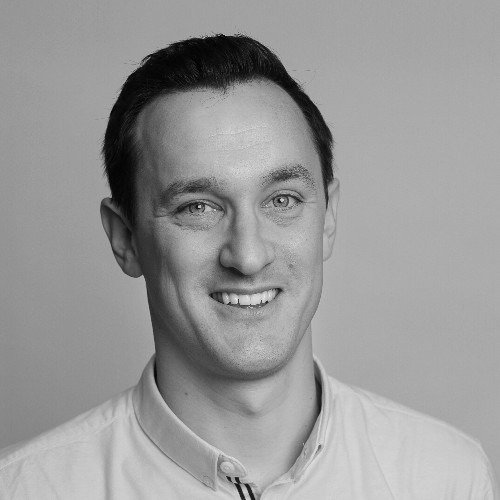

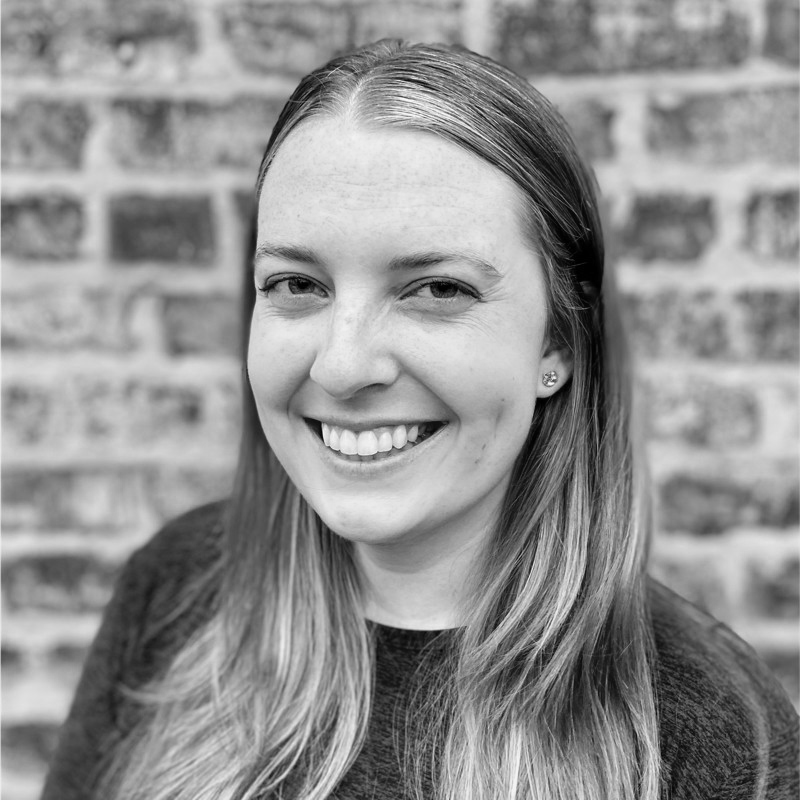

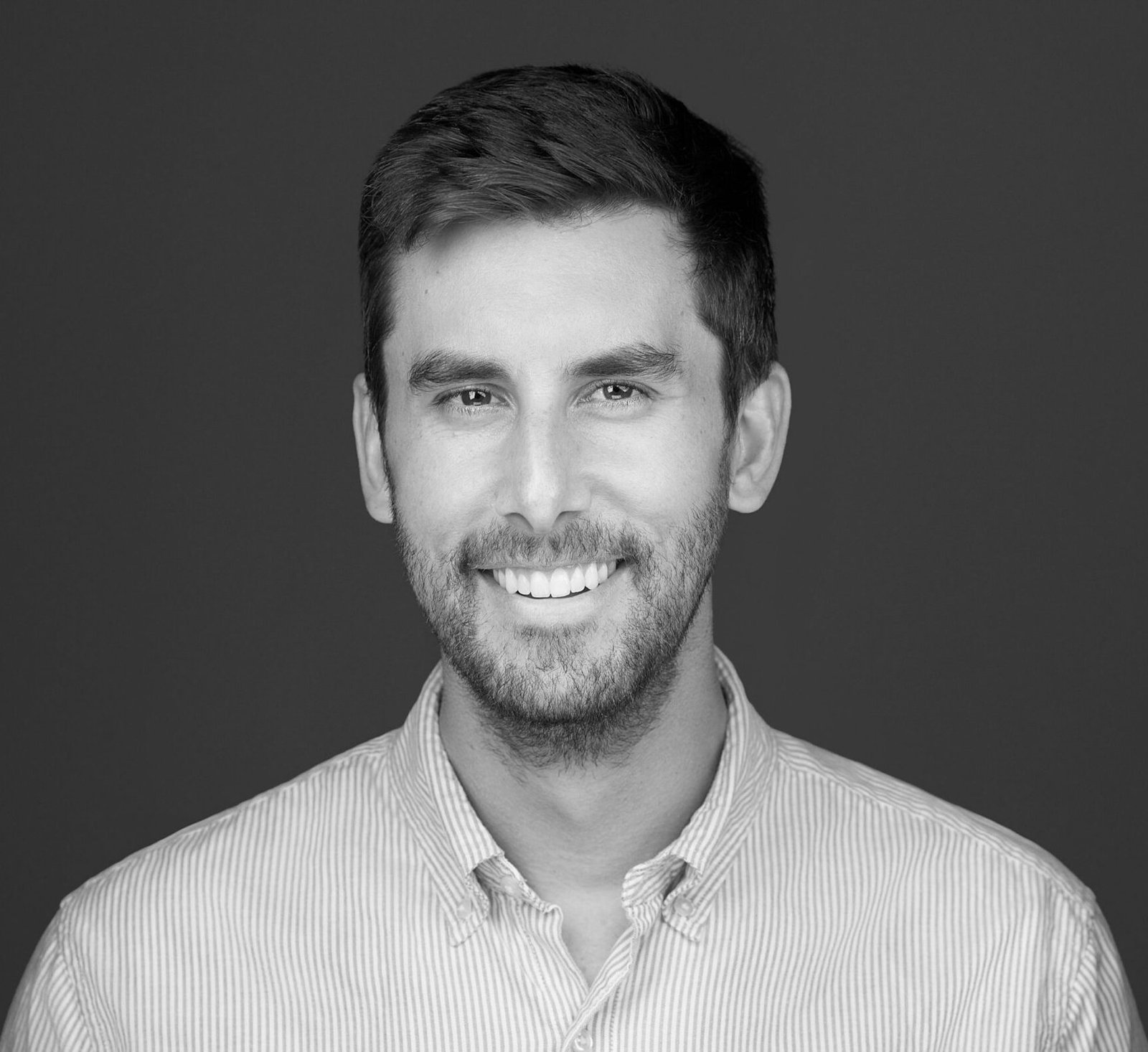

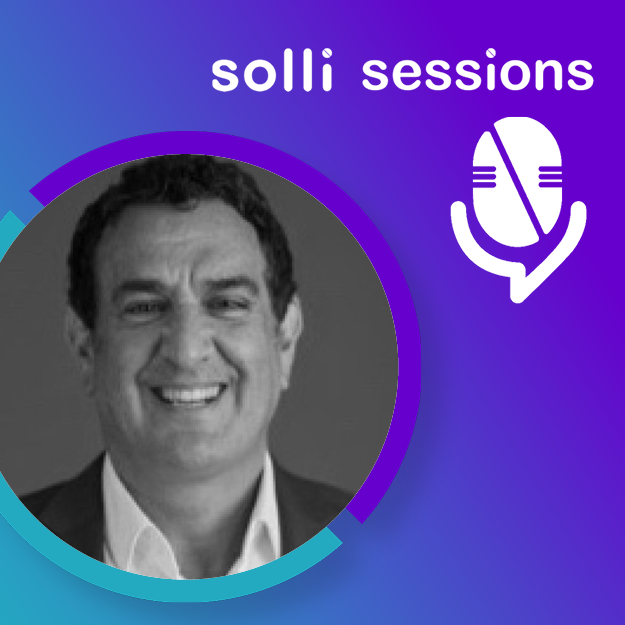






OptimizeRx’s Aaron Noll Braces for Impact
Trained as a physician, molecular biologist and data scientist, Noll has found a way to make every credential count

It’s safe to assume that few pharma leaders besides Aaron Noll have spent time studying drug processing enzymes in mice. A few years before he joined the media side of the business in a UX capacity, Noll conducted research in conjunction with the University of Kansas Medical Center’s pharmacology department. There, he dove deep on next-generation sequencing and bioinformatics, and came away with a clear vision for his path forward.
“It brought together the biology side and the computational side, which are the two loves of my life,” Noll says. It was not lost on him that the industry had started to move in a direction where individuals with a broad range of skills – Noll has been trained as a physician, molecular biologist and data scientist – were more in demand than ever before.
There was a catch, of course. “It’s great that the industry started to align with my interests. But what mattered more was doing it in a way that felt impactful,” he says.
Noll found the balance he had been searching for at OptimizeRx, which he joined in mid-2021 as a data scientist. Recently promoted to director, clinical AI, Noll is among the primary architects of the company’s technical infrastructure. He regularly taps his clinical experience to help life science marketers identify the best times to engage with HCPs at the point of care.
It’s an expansive role – and one that Noll may be uniquely suited for, given the breadth of his medical and technological backgrounds. Noll, however, views his progression as both natural and linear.
“I’ve always liked bringing together new tools and ideas and processes that don’t seem to be connected,” he explains. “Trying to figure out where we’re going to be five or six years down the road – that’s always been motivating to me.”
Computers and Creatures
As far back as he can remember, Noll has been fascinated by how things work. During his dinosaur phase as a child, he wanted to become a paleontologist. After watching the original Indiana Jones trilogy, he started thinking about archaeology and anthropology. But it wasn’t until his grandmother purchased an Apple IIe computer that Noll’s future came into focus.
He admits that he didn’t do much on the machine besides play video games and do some very rudimentary programming in BASIC. The computer nonetheless birthed in him a curiosity about and, eventually, a fascination with technology.
After graduating with a bachelor’s degree in computer information systems, which he would soon supplement with a master’s degree in telecom management, Noll went to work for Sprint. While he recalls that “everybody at the time was trying to get fiber laid and move beyond the old modem setup,” Noll’s interest ran more toward networking devices.
“It quenched my thirst for getting down to the details of how we interacted with devices and how we made the technology workable. I was genuinely interested in, ‘Why isn’t this cell tower performing well?’” he says.
The dot-com bust that followed a few years later provided a wake-up call of sorts. It didn’t affect Noll’s nascent career but it did lead him to question his next step. The reassessment was prompted in no small part by his upbringing outside Atchison, Kansas, a rural area in which agriculture was king. He remembers being exposed early in life to animal treatments (“antibiotics, cures for diseases, that kind of thing”) and wondering if he could contribute in some small way.
“I saw the whole lifecycle of all these different little creatures,” he recalls warmly. “I spent a lot of time outside. I really fell in love with nature.”
Noll’s small-town upbringing also instilled in him deep empathy for the people around him. So when he started to evaluate his professional options, reconnecting with his earliest interests held considerable appeal. He went back to school and received a bachelor’s degree in molecular biology from the University of Kansas, later adding master’s degrees in clinical research as well as applied statistics and data science.
‘How are these things related?’
But it wasn’t until Noll entered medical school that he felt fully equipped to impact people’s lives. “It added the ‘care’ side to the genetics and technology side,” he explains. “That was the piece that brought everything together. It enabled me to start thinking in terms of, ‘What’s the real purpose behind all this technology and all this biology?’”
After graduation, Noll spent time as a pediatric neurology resident at the renowned Children’s Mercy Hospital in Kansas City, Missouri. While treating patients with uncontrolled epileptic seizures, he experienced an epiphany of sorts. Many of the patients arrived at the hospital out of options and hope – or so they thought. Noll, however, helped locate a blind spot in their treatment regimens.
“Among physicians, there was a lack of awareness of the latest medications,” he explains. “They would come to our center and we’d make some adjustments and, lo and behold, in just a couple of weeks the number of seizures would drop.”
Noll thrived on the treatment frontlines and cherished the patient interaction, but once again started to question his impact. When he told colleagues and peers that he planned to transition away from traditional medicine, they didn’t quite get it.
“At that time, it was rare to put all of this together. They were like, ‘Medicine and data science and technology – how are these things related at all?’”
Noll realized his vision of connectivity first at Cerner (since bought by Oracle) and now at OptimizeRx. He acknowledges that the transition to the media world was challenging at first, but adds, “I could see that this would be really important. There was potential for a much bigger impact than I’d make seeing five patients a day.”
Upon arriving at OptimizeRx, Noll set about learning everything he could about marketing and media channels. He proved a quick study. “Once I saw the possibilities for getting better information to people at the point of care, it clicked for me.” He pauses, then adds with a laugh, “It just took me a while to figure out the terminology. There’s a lot of acronyms.”
Noll stays relatively close to patient care by volunteering as an interpreter at the JayDoc Free Clinic at the University of Kansas Medical Center. “I pine a little bit to be back on the inpatient side, and it helps me keep connected to that work,” he says. He also plays pickup basketball and soccer with neighborhood friends and is active in a “father’s club” at the local high school. “Historically moms are the ones always helping out at the school. We try to play our part, whether it’s helping kids around final exams or with mental wellness.”
As for what’s next for him professionally, Noll is excited about AI’s potential to help improve patient care. “With all the productivity gains in coding and mundane tasks, we can use our brains to think about design and architecture much more,” he says enthusiastically.
Mostly he’s happy about the freedom his current role affords him to focus on solving some of the most stubborn problems in patient care.
“Not everybody gets to wake up every morning and start asking, ‘What if…?’ and ‘What’s next?’” Noll says. “I’m lucky to be living in a time where there is such potential and so many new tools and ways to make a difference.”
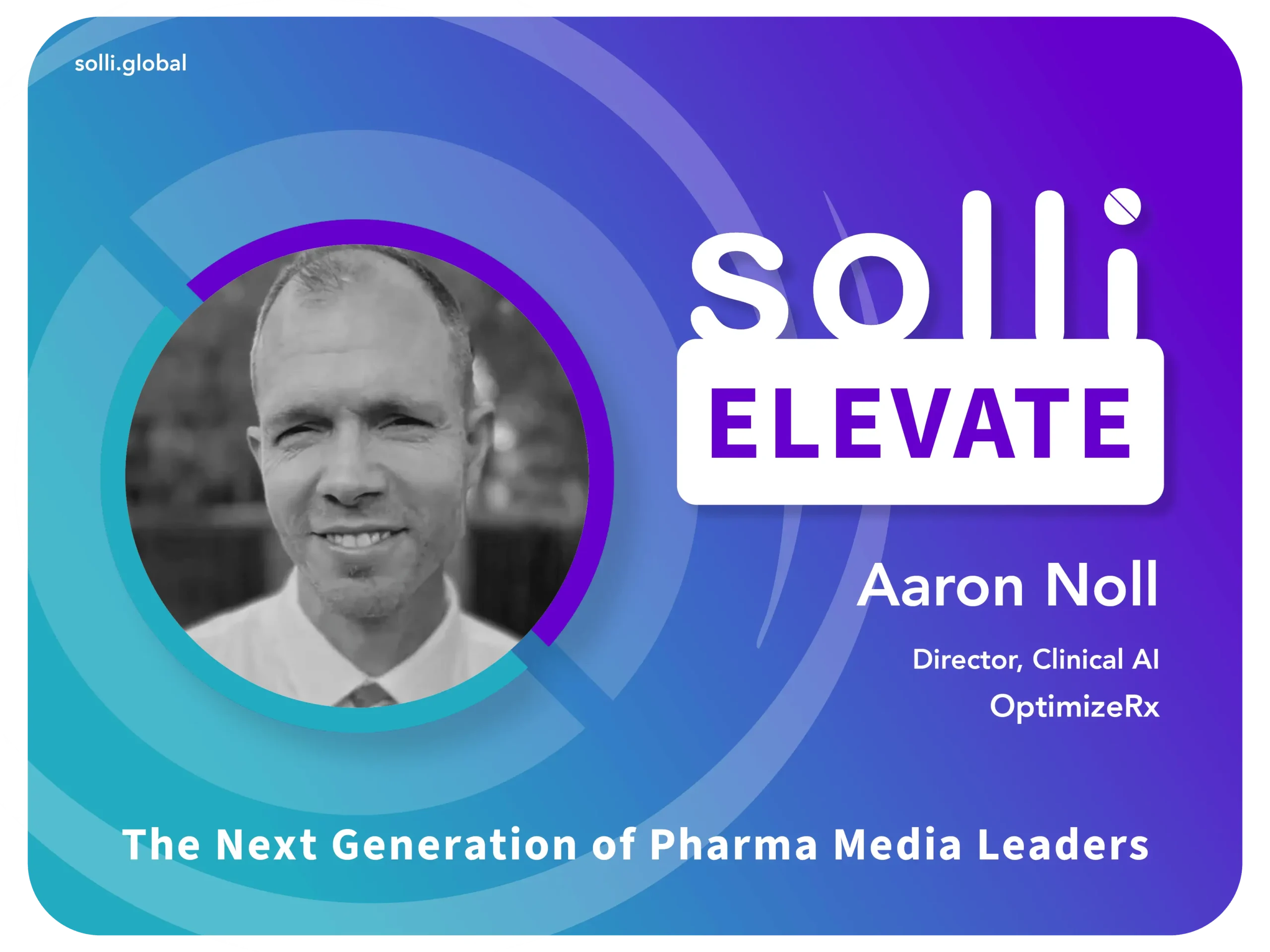
This profile is part of the solli Elevate series, celebrating the Next Generation of Pharma Media Leaders. View all profiles here.