



















Debunking the 5 Biggest Myths About Community-Based Advertising
Health Union debunks the five biggest myths holding pharma marketers back, from concerns about reach and duplication to brand safety and the role of human connection in an AI era.

For years, pharma marketers have viewed online health communities as a trusted, reliable companion to their broader digital strategies. They were the “safe havens” where we knew patients went for support—but they were often treated as a tactical add-on rather than the strategic core.
As we look toward 2026, the data from Health Union and solli’s recent Pharma Marketing Pulse Report shows a fundamental shift. As AI changes the way patients and HCPs consume information, marketers are reporting that more and more, they are looking for deep, time-intensive interaction. This is exactly the unique value that communities bring, yet some marketers are still only thinking of communities as “niche”.
To turn online communities from a niche solution into a strategic powerhouse, let’s debunk the lingering myths that are holding brands back from full-scale community success.
Myth 1: “Communities Can’t Scale Like Mass Media”
The Myth: There’s a common belief that moving budget into a condition-specific community means sacrificing efficient reach for small, expensive, highly qualified audiences.
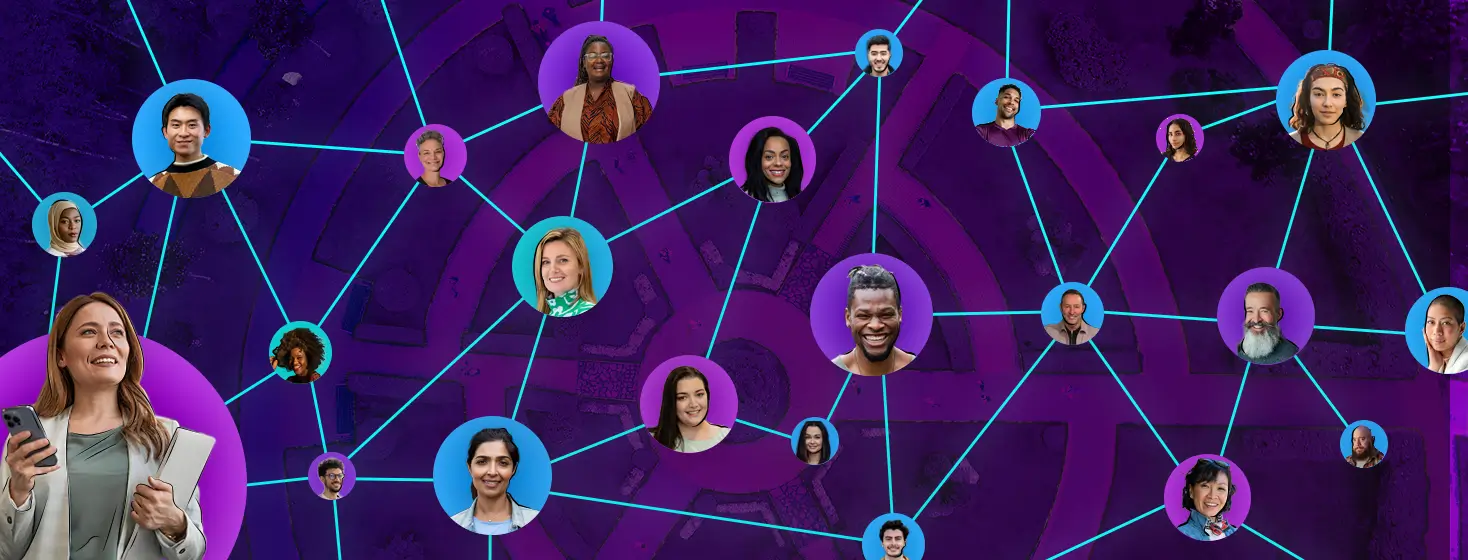
The Reality: Modern communities aren’t just reaching a niche audience; we’re activating a movement. Health Union powers the largest community-based platform in the industry, supporting 50 million people across more than 125 condition-specific communities.
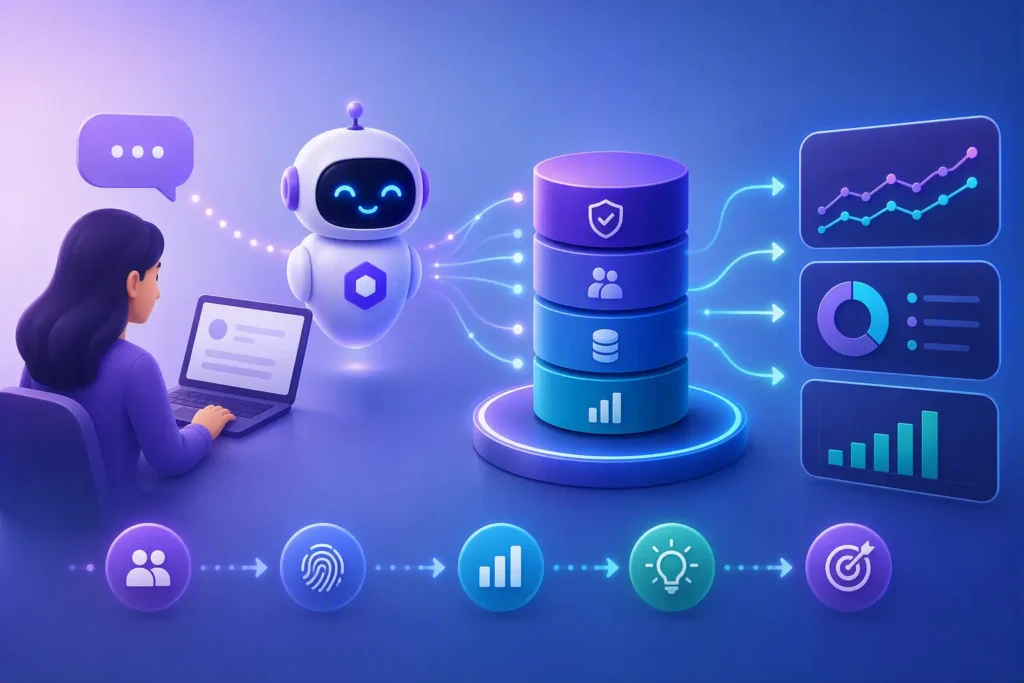
But scale in 2026 isn’t just about reaching community members on our platform. Through our proprietary data engine, we re-engage our community members across the entire digital ecosystem. This allows us to follow high-intent patients who are active in our communities wherever they consume media, driving “bottom-line” success metrics like unique reach and NBRx lift at a scale that rivals and often outperforms traditional broad-reach media.
Myth 2: “If I’ve Bought One Community, I’ve Reached the Audience”
The Myth: There is a common assumption that patient audiences across different health community sites are largely the same, and advertising on multiple platforms is just “buying the same people twice.”
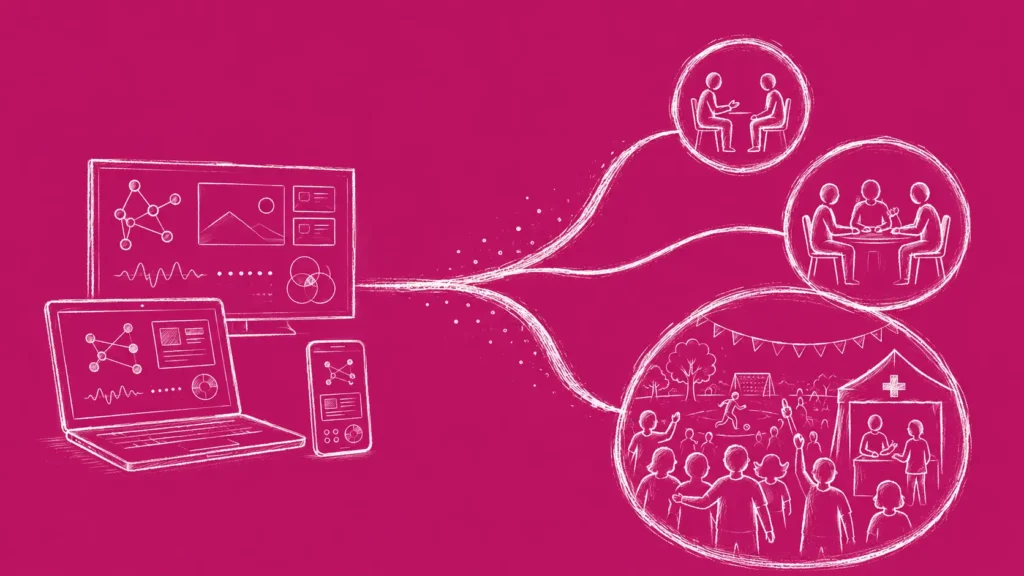
The Reality: The “Power of the Portfolio” is real. Our data shows that for most major health conditions, the overlap between Health Union and any other single community site is consistently less than 7%. Each platform attracts a distinct pool of patients based on different search behaviors, digital routines, and content needs. By running campaigns across multiple, distinct community partners, you aren’t duplicating—you are dramatically widening your funnel.
Myth 3: “User-Generated Content is Too Risky For My Brand.“
The Myth: Pharma brands often fear their ads will end up sandwiched between unverified medical advice or “wild west” forum comments.
The Reality: Brand safety is a human commitment, not just an algorithm. At Health Union, we don’t run brand ads next to forums or unvetted user comments. Instead, your brand lives alongside expert-written, medically reviewed content. We back this with a “human-first” safety net, featuring trained, expert moderators and specialized high-risk teams. This provides the regulatory-grade rigor that 93% of marketers now demand from their partners.
Myth 4: “Walled Gardens Stifled Growth”
The Myth: Many believe health communities require a “log-in” or registration, creating a barrier that kills SEO and limits new patient discovery.
The Reality: Health Union operates an open ecosystem. Our communities are built to be discoverable, designed to meet patients where they are in their journey. Our communities being open gives people the freedom to simply lurk and read, or participate as much or as little as they need at that moment.
This is critical as 68% of marketers reallocate funds away from general search engines toward specialized platforms. By being an open resource, we provide the “medical authority” and the authentic connection patients crave without the friction of a gate, turning a moment of uncertainty into a deep, lasting connection.
Myth 5: “AI Will Make Human Communities Obsolete”
The Myth: In a world of AI-generated answers, some think a human-led community is a relic of the past.
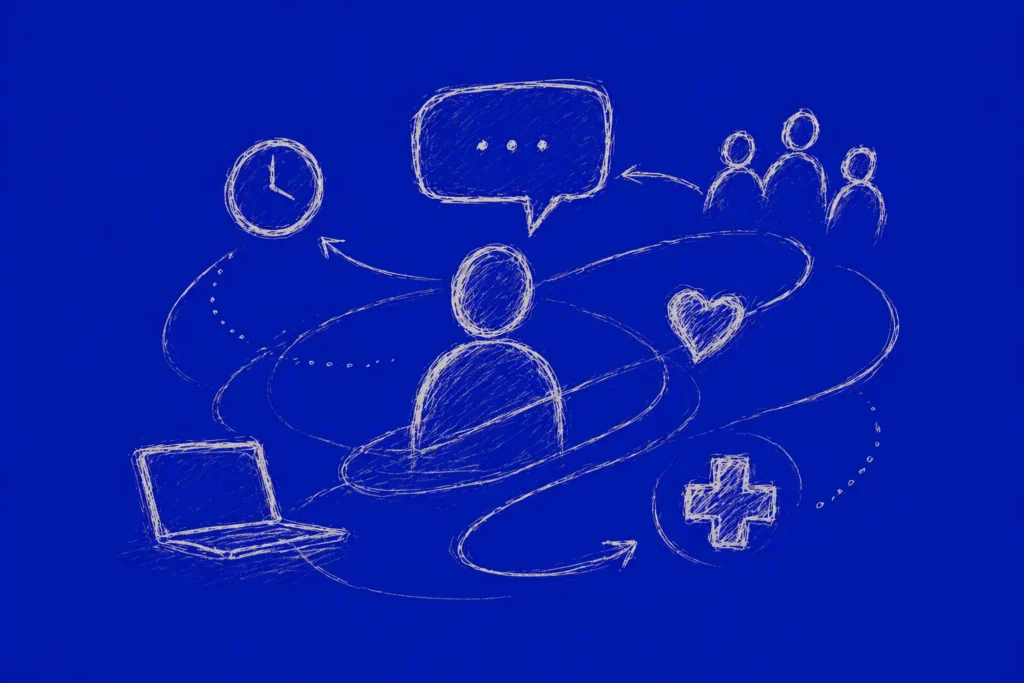
The Reality: AI can provide an answer, but only a community can provide validation. While we use AI to make education more accessible—like synthesizing real patient insights into conversational audio—it is a tool to amplify the human experience, not replace it. As the industry moves toward “qualified engagement” as the primary metric for success, the depth of interaction found in human-stewarded communities remains the most powerful proxy for a patient’s movement toward treatment.
The Bottom Line:
The shift we are seeing in the 2026 Pulse Report isn’t about moving away from what worked—it’s about doubling down on it. In an era where trust is the most valuable currency, authentic communities are no longer a tangential part of the plan. They can be strategic anchors, especially in rare disease and oncology.
Discover how Health Union’s industry-leading DTC solutions can elevate your strategy at health-union.com/dtc-advertising.