
























The Hot Flash: Why and How Brands Should Join the Menopause Movement
Menopause is no longer a taboo - it’s a movement.

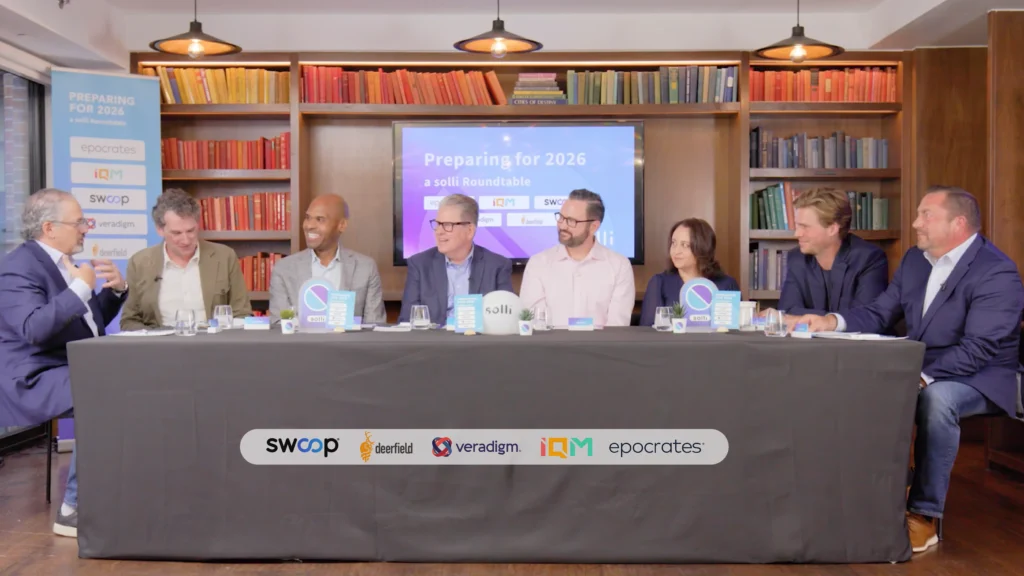
At Advertising Week New York, we convened a panel to discuss a topic that – until recently – was rarely discussed: menopause. No other medical condition or issue impacts more people. One-hundred percent of those born with ovaries will go through menopause, provided they live long enough to reach that age. Perimenopause, which is when symptoms begin, typically starts in the early 40s, with some impacted as early as age 35. And according to NielsenIQ, women aged 35 and above control a staggering 70-80% of consumer spending and 50% of global spend, accounting for $31.8 trillion globally.
This isn’t a demographic that brands can afford to overlook.
Yet for generations, menopause has been shrouded in silence, often dismissed as a “personal burden,” as Galina Espinoza, Editor in Chief of Flow Space, so aptly put it during our discussion. Our mothers and grandmothers endured this with little open discussion nor medical support. Even today, only 20% of OB/GYN residents receive formal training in menopause and the training they receive is minimal. This isn’t just a medical oversight; it’s a societal one that has profoundly impacted how women experience this natural life stage.
However, the tide is turning. We are witnessing a powerful movement driven by a new generation of women who are, as Bea Dixon, CEO, Co-Founder, and Chief Innovation Officer of The Honey Pot Company, eloquently stated, “tired of keeping their mouths shut. I think generationally people are tired of suffering in silence.” This sentiment is echoing across platforms, particularly social media, which has become an unexpected catalyst for change.
Social media has been nothing short of remarkable in amplifying this conversation. Tamsen Fadal, a veteran journalist who is known for her bestselling book, documentary and award-winning podcast all focusing on menopause, shared her personal experience that recounted how a simple listing of menopause symptoms on TikTok garnered an unbelievable response. “I think it’s been pretty remarkable,” Tamsen noted, highlighting how platforms have allowed doctors and women alike to share wisdom and build community.
This digital awakening has created a space where women feel validated, seen and heard, realizing they are far from alone in their experiences. It’s dismantling the outdated perception of what women in midlife look like and how they live.
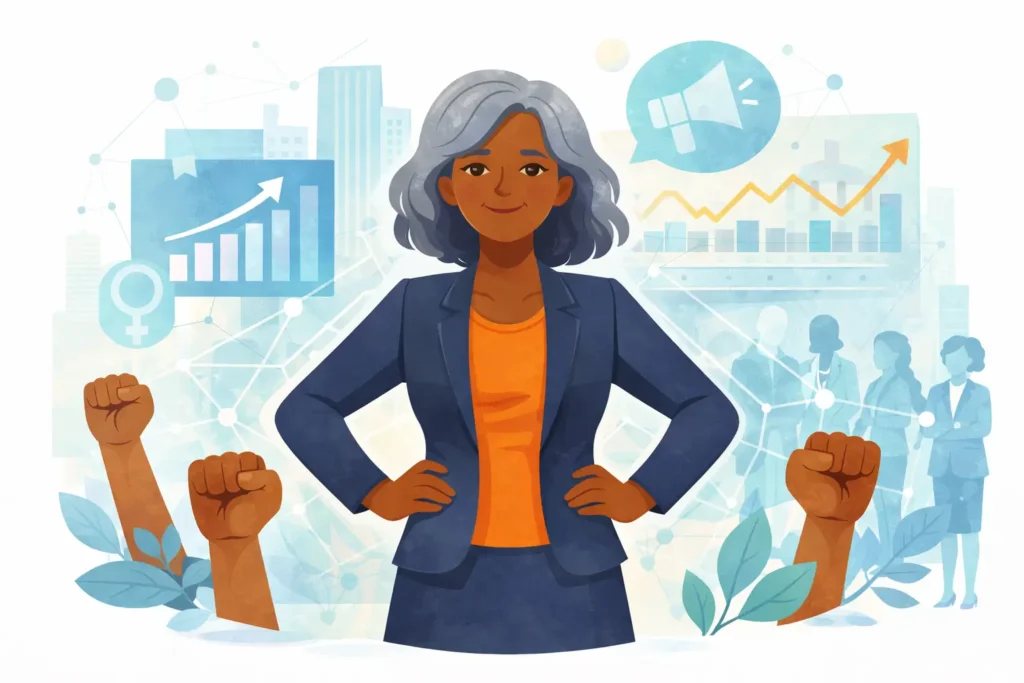
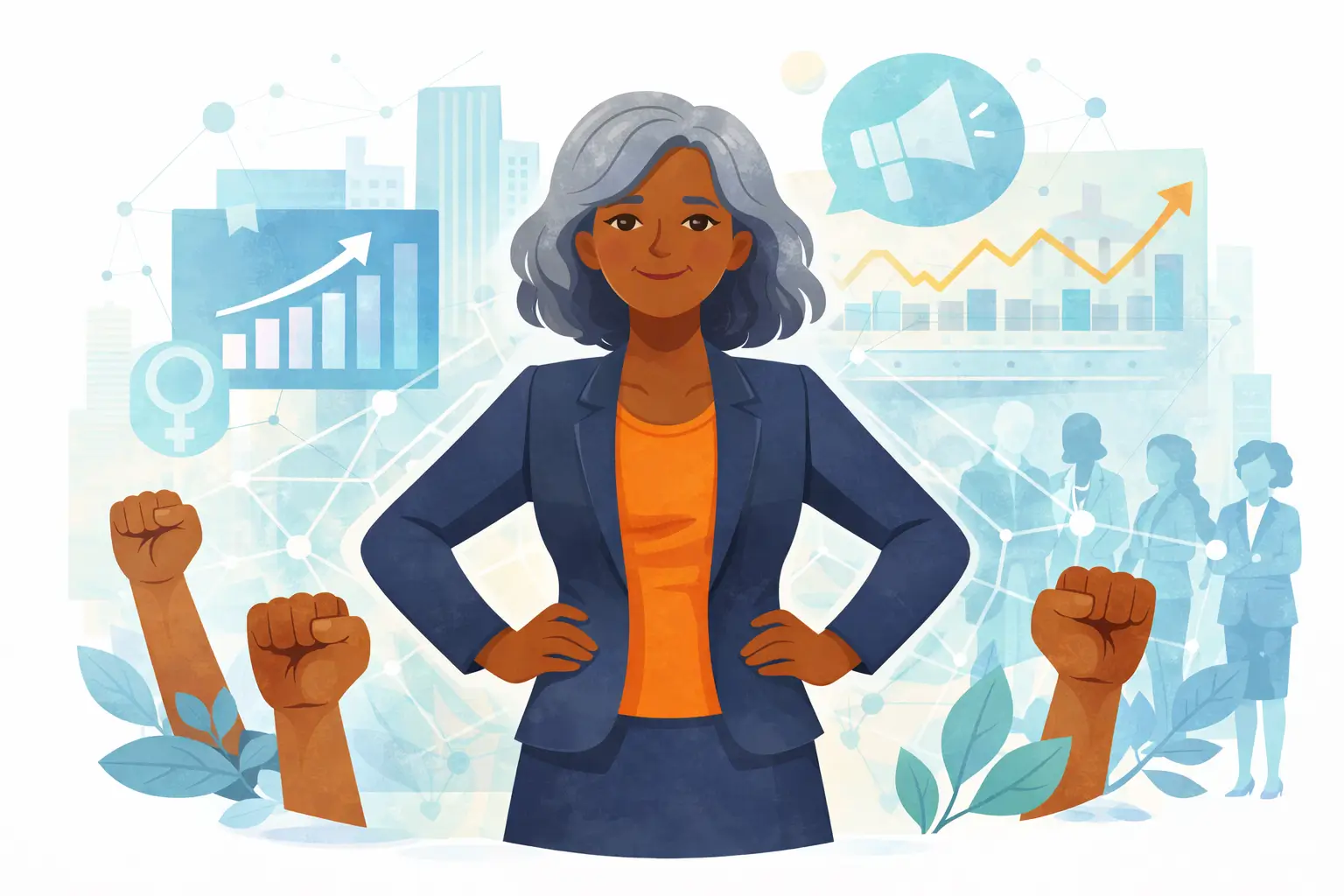
The midlife woman does not fit the “Golden Girl” stereotype. As Galina Espinoza pointed out, “The most recent list that Forbes put out of the 100 most powerful women, 80% of those were women over 50.” These are women at their peak earning power, often with grown children, prioritizing themselves and their health like never before. They are investing in their “health span” – not just living longer, but living better and healthier lives. They are wearing weighted vests, lifting weights and debating creatine powder in their smoothies. This is a consumer segment actively seeking solutions, information and products that support their evolving needs.
Furthermore, the longevity factor cannot be overstated. Women, on average, outlive men by six years. And critically, as Galina highlighted, “Women spend more time in this phase of life than any other phase.” (Roughly three decades post-menopause – a period longer than their fertile years. This means brands have an opportunity to cultivate a lifetime consumer, one who is engaged, informed and ready to invest in products and services that genuinely enhance their well-being.
So, what does this mean for brands? From Vogue Business in May 2025: “There’s money to be made in opening up about and normalising menopause… This presents a significant opportunity for brands — but it’s a category that must be intimately understood in order to operate in.” The opportunity is vast, touching every aspect of their life. Bea Dixon’s The Honey Pot Company is a prime example, expanding from feminine care into perimenopause products, understanding that health is a lifelong journey. Bea’s advice to brands considering this space is clear: “You’re in business first of all, in my opinion, to serve humanity, and then you’re in business to make money, right? And it’s really important as brands if we want to be successful, then we need to make the things that people need.” This isn’t about jumping on a trend; it’s about genuinely serving a human need.
However, entering this space requires more than just good intentions. It demands responsibility and authenticity. As Tamsen wisely cautioned, “I think it’s really understanding this consumer, because this woman’s really smart and she’s got a lot of options.” Brands must avoid tokenism or, as Bea put it, “Don’t just throw perimenopause and menopause on a label. That is insulting.”
Products must be developed with a deep understanding of the lived experiences of women. Social media ensures that if a product isn’t working, women will talk about it, and that feedback loop is powerful. The key is to reframe the narrative. Stop marketing to women as if they are frail or past their prime. Instead, recognize them as powerful, discerning, and proactive individuals who are ready to invest in their health, vitality and overall well-being.
The conversation around menopause is no longer a whisper; it’s a roar. It’s a movement shaping pop culture, driven by women who are ready to talk, advise and demand better. For brands, this represents an unparalleled opportunity to connect with a critically important, financially powerful and deeply engaged audience. By understanding menopause, by listening to these women, and by developing responsible, impactful solutions, brands can not only unlock significant economic growth but also become appreciated resources in a journey that every woman will eventually undertake. The time to act is now.
Carly Kuper is the SVP, Public Relations & Corporate Communications at CMI Media Group.