


























Healthcasts Report Warns AI Hype May Obscure Clinical Risks
New research suggests clinicians continue to rely on human judgment over machine output in complex care decisions

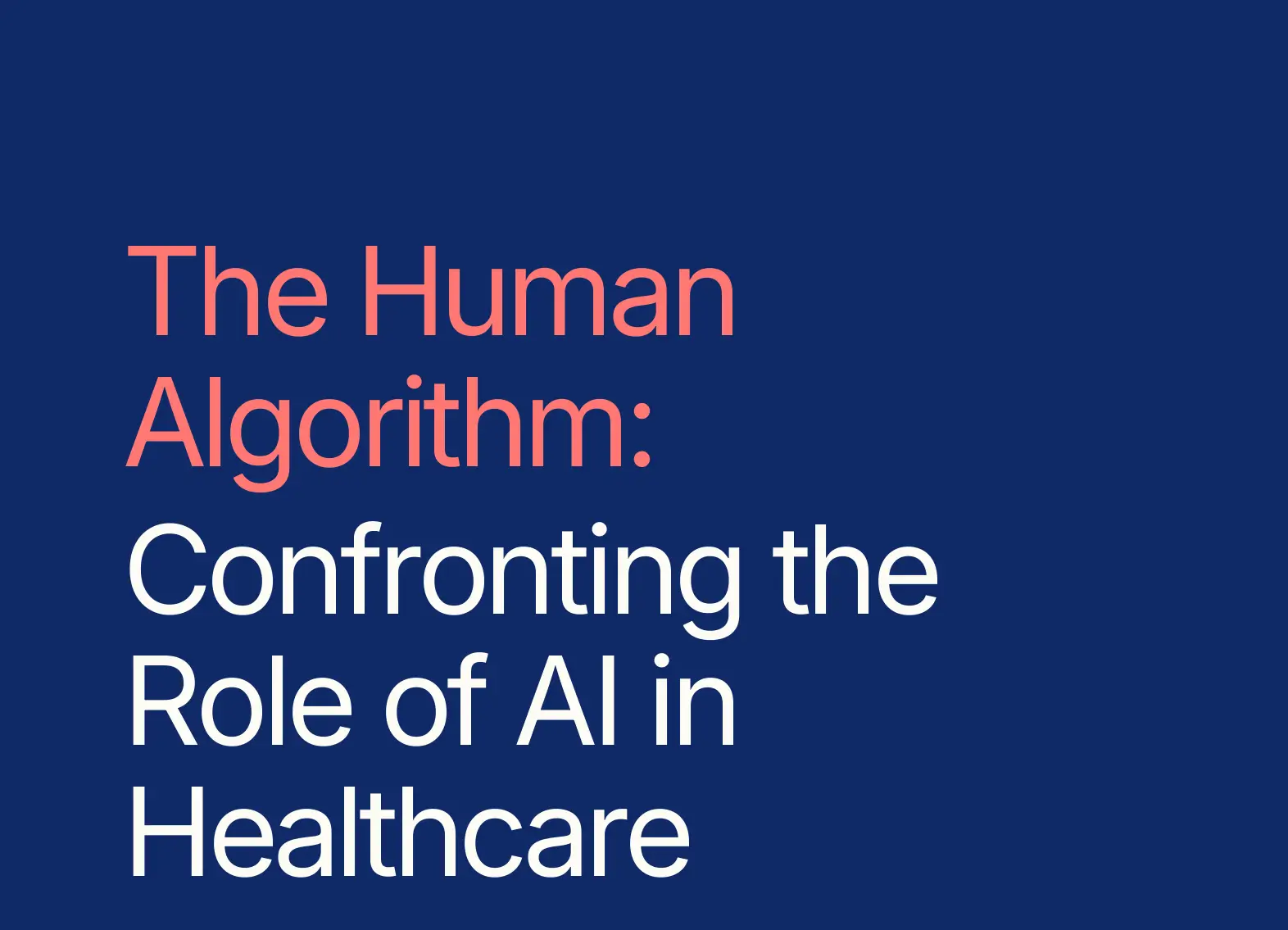
Healthcasts has released a new white paper examining the growing role of artificial intelligence in healthcare, cautioning that enthusiasm for AI tools may be outpacing their reliability in real-world clinical decision-making.
The report, The Human Algorithm: Confronting the Role of AI in Healthcare, argues that while AI systems can accelerate access to information and reduce administrative burden, they remain poorly suited to the most complex aspects of medical care; including non-textbook presentations, off-label prescribing, and patients with multiple comorbidities.
Drawing on survey data from Healthcasts’ community of clinicians, the paper highlights a persistent trust gap. While AI adoption is increasing, many physicians report hesitancy in relying on machine-generated recommendations without human oversight. According to the findings, a majority of clinicians say they have previously chosen not to follow AI-generated guidance, particularly in high-stakes or ambiguous scenarios.
The report outlines several structural limitations of current AI systems, including hallucinated outputs, limited explainability, and an inability to account for contextual factors such as patient history, lifestyle, or shared decision-making preferences. These weaknesses are especially evident in areas where clinical guidelines are incomplete or evolving, such as off-label medication use, which the paper notes accounts for roughly a quarter of prescriptions in the U.S.
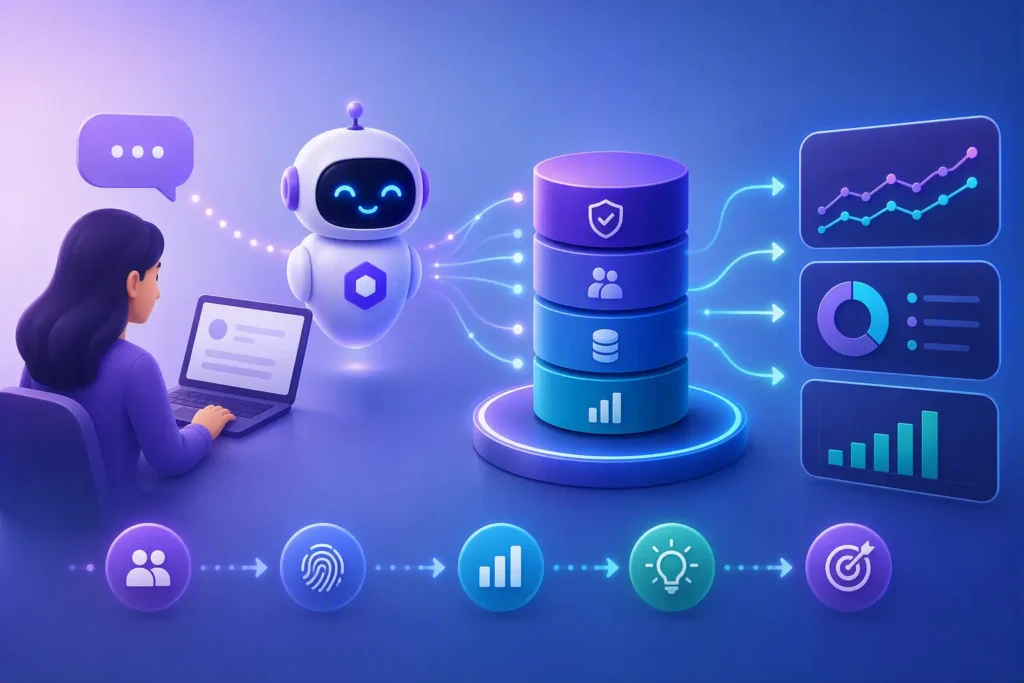
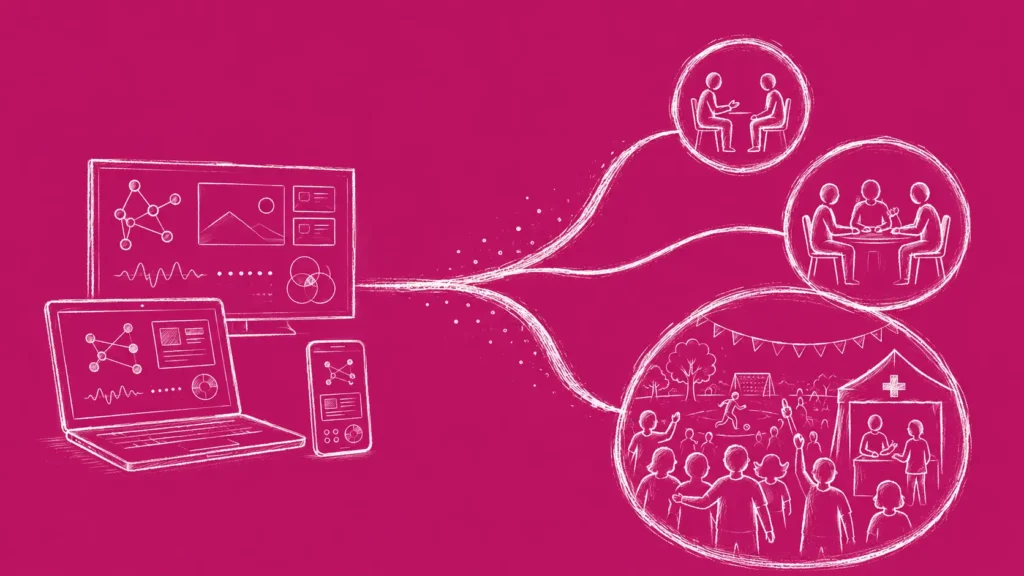
The analysis points to a hybrid model in which technology supports information gathering and pattern recognition, while human expertise remains central to interpretation and final decision-making. Case studies included in the report show improved outcomes when AI-generated insights are combined with peer-to-peer clinician discussion, particularly for rare or atypical cases.
“AI gives us speed and scale, but medicine isn’t just about data,” said Shawn Szurley, chief marketing officer at Healthcasts, in a statement accompanying the release. “Judgment, context, and nuance still come from clinicians.”
The findings arrive amid rapid expansion of clinical AI tools across health systems, even as surveys cited in the report indicate widespread public concern about safety, transparency, and oversight. Healthcasts frames the issue not as whether AI belongs in healthcare, but how it should be governed and integrated.
solli’s Final Thoughts
Taken together, the report suggests that the next phase of AI adoption in medicine may be less about technological capability and more about trust, accountability, and human-centered design. As AI becomes more embedded in clinical workflows, the ability to demonstrate how tools support, not shortcut, clinical judgment may determine whether they are embraced or resisted at the point of care.
To access the full report click here.