


























Why Healthcare Personalization Has Stalled
Healthcare personalization has stalled because clinical data isn’t connected to real-world patient context, limiting meaningful engagement.

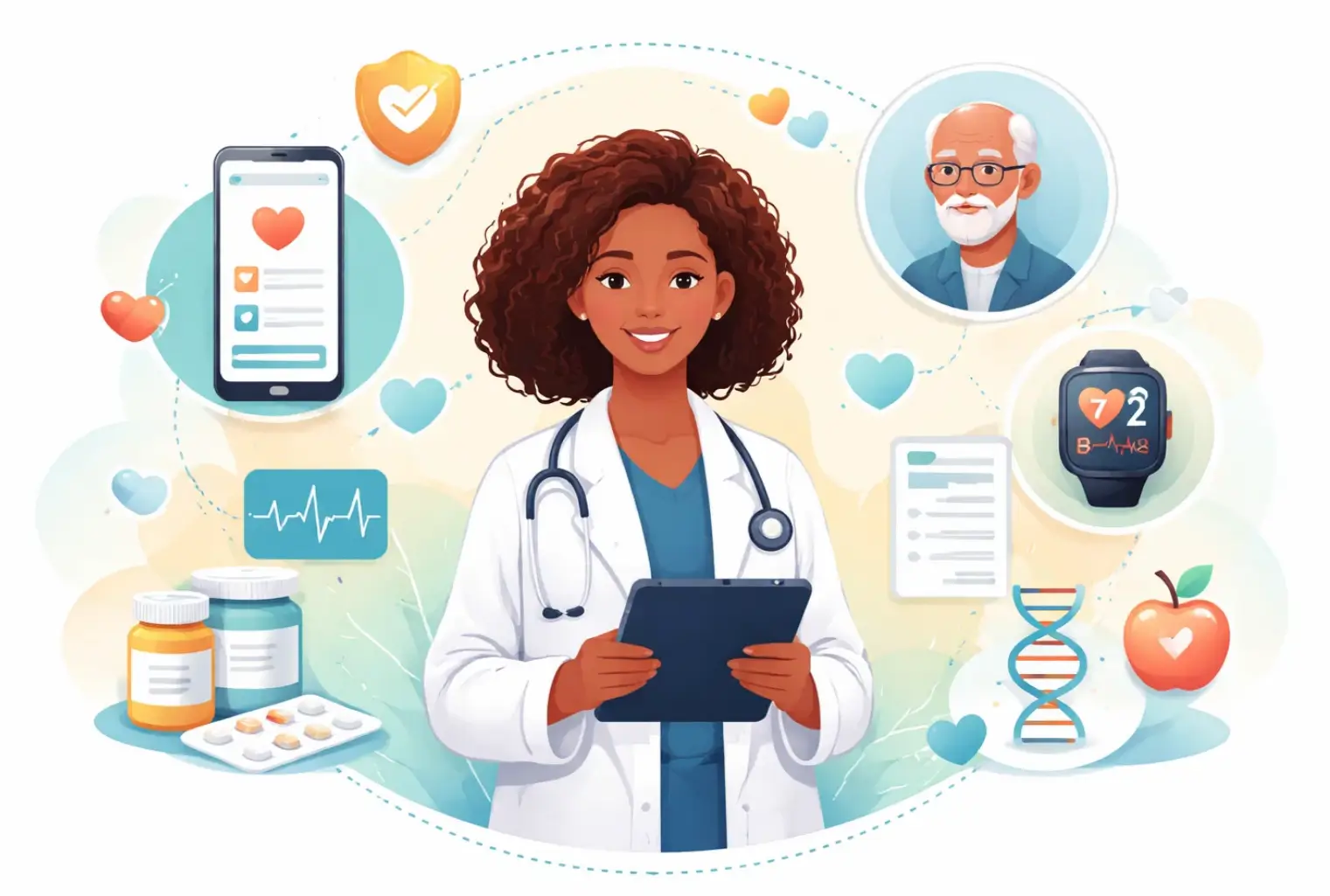
Healthcare organizations have invested heavily in digital engagement over the past decade. Patient portals. CRM platforms. Campaign automation. Consumer data platforms.
And yet, personalization in healthcare still feels stuck.
Outreach is often generic. Preventive care reminders go unopened. Screening campaigns underperform. Value-based care programs struggle to engage the very patients they are designed to support.
Healthcare systems have abundant data: clinical histories, appointment records, claims data, risk scores, and engagement logs. What’s missing is context: the day-to-day realities that determine whether someone reads a message and follows through.
Most healthcare outreach is built around what providers know medically about a patient, while overlooking the daily realities that shape follow-through. A diagnosis tells you what care is needed. It does not tell you how to reach someone, when they are most receptive, or what barriers might prevent follow-through.
Healthcare personalization has stalled because identity stops at the electronic health record.
Patients Do Not Live Inside the EHR
Consider how most preventive outreach works today. A system identifies patients overdue for a mammogram. A message is sent through a portal or by mail. Perhaps a follow-up text is triggered.
The logic is clinical. The execution is operational. But it rarely accounts for the individual circumstances that influence behavior.
Does this person prefer email or SMS?
Are they juggling two jobs?
Have they recently moved?
Do they live in a rural area where transportation is limited?
Are they more responsive to educational content or simple calls to action?
These factors determine engagement.
In other industries, personalization evolved by connecting transactional data with behavioral and household context. Healthcare, for understandable regulatory reasons, has historically kept those worlds separate. The result is a fragmented view: robust clinical insight paired with a shallow engagement strategy.
Treating patients as medical records rather than whole people creates friction at every stage of the journey.
Data Is Not the Constraint. Integration Is.
There is a common narrative that healthcare needs “more data” to improve personalization. In reality, what most organizations need is a reliable identity foundation that connects clinical information to contextual insight in a compliant way.
When healthcare engagement systems integrate clinical, behavioral, and household-level signals, outreach becomes materially different.
Preventive care campaigns can prioritize individuals based on life stage and household composition. Messaging can adapt based on income sensitivity or insurance realities. Channel selection can reflect actual communication preferences rather than assumptions. Care teams can better anticipate barriers related to transportation, housing stability, or caregiving responsibilities.
The point is to reduce friction, so recommended care is easier to act on.
When outreach aligns with real-life context, conversion rates increase, care gaps close faster, and retention improves. Just as importantly, patients feel understood rather than marketed to.
The Shift From Persuasion to Relevance
Healthcare marketing often borrows tactics from retail or financial services, focusing on optimization, segmentation, and campaign performance. But healthcare engagement is fundamentally different.
The goal is relevance, outreach aligned to the realities that shape follow-through.
A patient who delays a screening is rarely making a statement about brand loyalty. More often, they are navigating time constraints, confusion, financial stress, or competing priorities. Personalization that acknowledges those realities performs better because it’s relevant, grounded in real constraints, not marketing cleverness.
As value-based care models expand and reimbursement becomes more closely tied to outcomes, engagement can no longer be superficial. Health systems must close care gaps, reduce readmissions, and manage chronic conditions more proactively. That requires understanding patients beyond their diagnosis codes.
The Next Phase of Healthcare Engagement
The next phase of personalization will be driven by a more complete view of identity than by any new channel or automation layer.
When organizations connect clinical data with lifestyle, household, and behavioral context in a privacy-forward way, they gain a practical advantage: the ability to design outreach that fits into patients’ lives instead of interrupting them.
This shift is already underway. Healthcare experience platforms are integrating broader contextual signals into engagement workflows. Identity resolution capabilities are improving match accuracy without compromising compliance. Propensity models are becoming more adaptive as they learn from engagement outcomes.
The organizations that move first will see more than better campaign metrics: stronger relationships, higher retention, and measurable improvement in preventive care participation and chronic condition management.
Healthcare personalization hasn’t failed; it has plateaued as engagement strategies have remained too narrow.
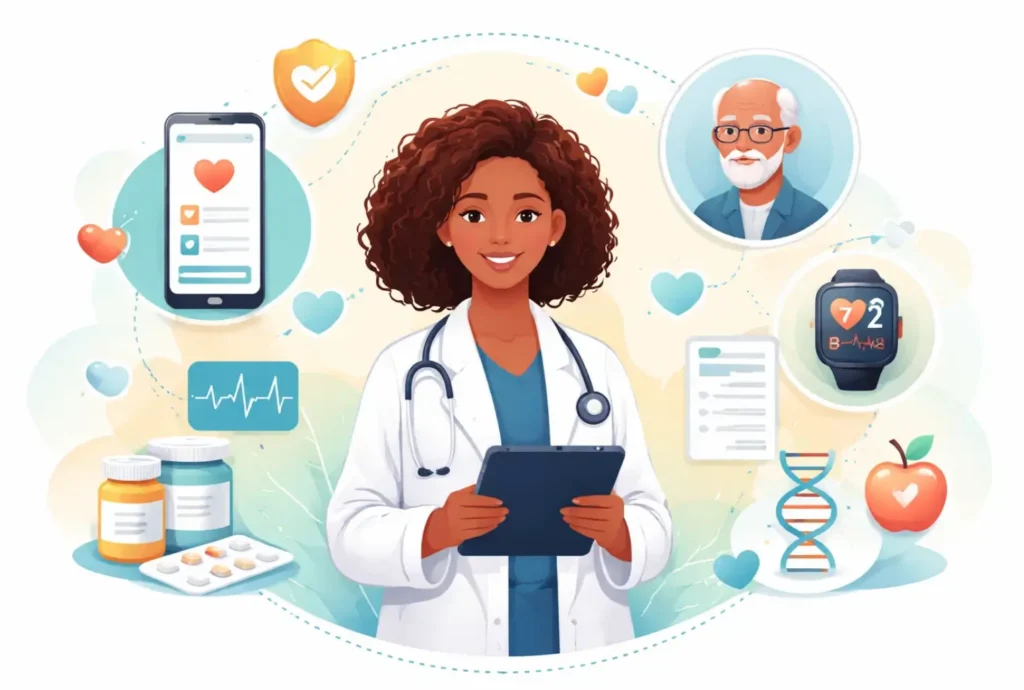
Patients are not just clinical profiles. They are people with households, routines, financial realities, cultural preferences, and life events that shape their health decisions.
The organizations that recognize that distinction will define the next era of patient engagement.
This piece was written by Colleen Dawe, VP Advertiser Partnerships, Experian Marketing Services