
























Pharma Media in 2026: from AI hype to accountable execution
New analysis points to rising pressure for transparency, HCP–DTC alignment and measurable results as digital spend grows.

Pharma marketers in 2026 face a more demanding environment shaped by rising expectations around data transparency, AI maturity and tighter performance standards for direct-to-consumer (DTC) activity, according to a new industry trends report released by PulsePoint in collaboration with CMI Media Group.
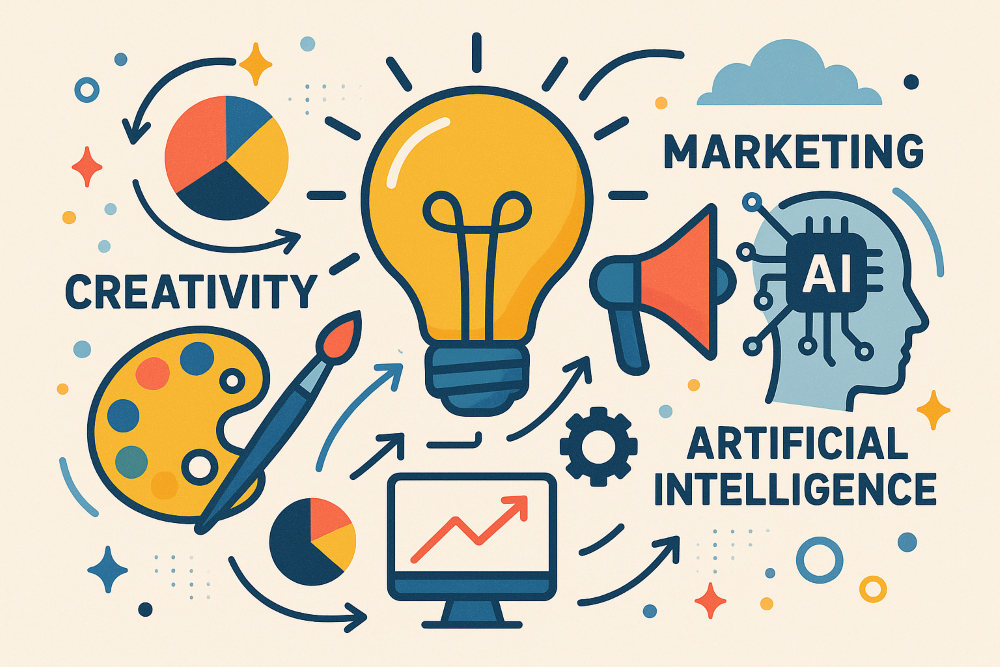
A central theme of the report is the shift from experimentation with artificial intelligence to pressure for demonstrable value. While AI is widely viewed as strategy-shaping, only a small proportion of life sciences organisations report having achieved meaningful returns so far. Contributors argue that 2026 will be defined less by the speed of adoption and more by disciplined implementation, with stronger scrutiny of vendor claims and greater emphasis on governance, compliance and human oversight. Several commentators warn that “AI slop” — tools built quickly without a clear strategic purpose — risks adding noise rather than insight in an already crowded market.
Data interoperability and transparency are also positioned as priorities, with marketers seeking clearer visibility into how media spend translates into outcomes. The report highlights fragmentation across customer, media and CRM data as a persistent obstacle, alongside the need for simpler integration tools that do not require heavy engineering effort. Rather than relying solely on identity-based targeting, contributors suggest that trusted behavioural and intent signals will become more valuable as attention patterns shift and regulatory pressures increase.
On channel strategy, the report points to growing convergence between healthcare professional (HCP) and DTC marketing. Instead of operating in silos, future campaigns are expected to align audience signals, creative messaging and measurement across both groups to influence real-world consultations. DTC activity, in particular, is forecast to become more personalised and performance-driven, with declining tolerance for wasted spend and a gradual move away from linear television toward digital channels such as social, search and connected TV.
solli’s Final Thoughts
The picture emerging in 2026 is one of higher expectations and lower tolerance for guesswork. As AI tools proliferate and data ecosystems grow more complex, pharma marketers will be judged less on how quickly they adopt new technology and more on whether they can translate it into accountable, coordinated execution across HCP and consumer channels.
To read the full report click here.