























InStep Health Unveils Patient Inbox™
A new platform embedding educational brand messaging directly within patient portal environments.

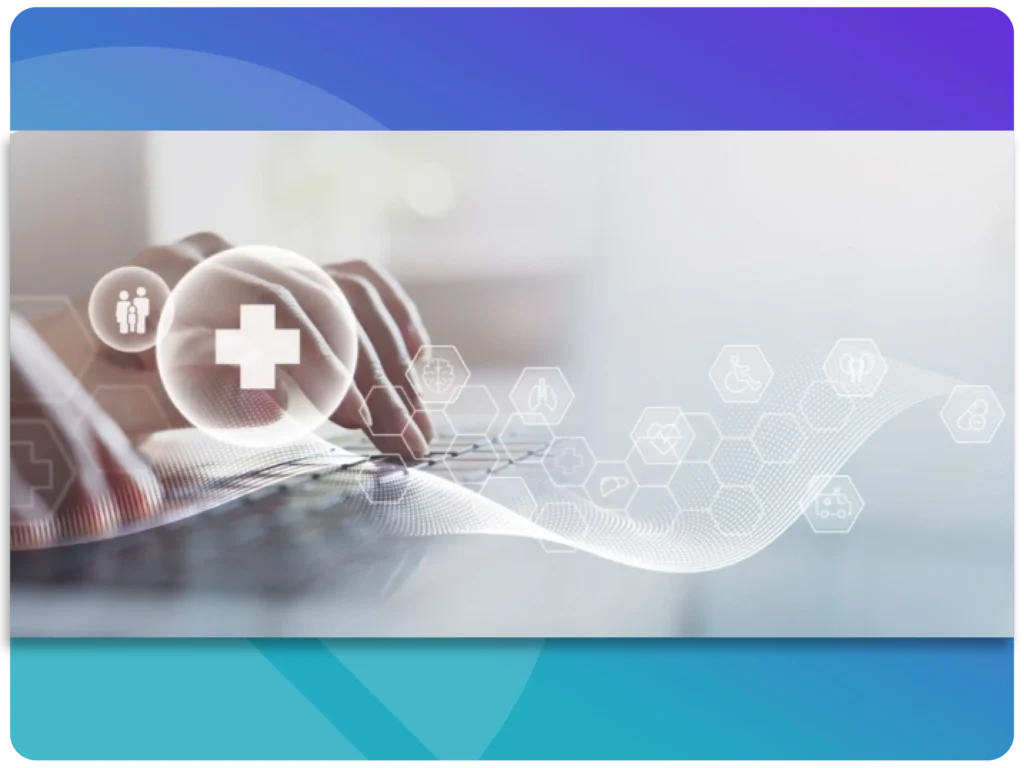
As life sciences companies continue to reassess the effectiveness of traditional direct-to-consumer (DTC) approaches, new engagement models are emerging that seek to place patient communication closer to the point of care. InStep Health has launched Patient Inbox™, a DTC capability designed to deliver brand-approved educational content directly into patients’ electronic health record (EHR) portal inboxes.
The launch reflects a broader shift in pharma marketing away from broad, awareness-driven outreach and toward more contextual, data-aligned engagement that is embedded within care environments rather than operating alongside them.
Moving DTC Into the Care Environment
Historically, DTC has leaned mainly toward channels such as television, paid search, social media, and brand websites. While these channels offer scale, they typically sit outside the clinical workflow, requiring patients to independently seek out or interpret information.
Patient Inbox™ positions itself as an alternative model. By placing educational messages within widely used patient portals and EHR systems, the approach aims to reach patients in a digital setting already used to manage appointments, view test results, and communicate with providers. Rather than competing for attention in consumer-facing media, the channel seeks to situate brand education within an established healthcare context.
According to InStep Health, messages are delivered as secure HTML communications and are intended to be MLR-approved and educational in nature. Targeting is based on ICD-10 or NDC codes, allowing brands to reach patients who meet defined clinical criteria rather than relying on broad demographic targeting.
Use Cases Across the Patient Journey
The company outlines several intended use cases, including disease awareness, medication education and instructions, vaccine information, patient support programs, and adherence reinforcement. The channel is positioned as complementary to existing integrated EHR strategies and patient support initiatives, rather than as a replacement for traditional DTC channels.
Measurement is also a focus. InStep Health says the platform includes reporting on message delivery and engagement. As brands face increasing scrutiny around the performance of digital engagement, the ability to demonstrate interaction within a clinical environment may factor into channel adoption.
Implications for Trust and Relevance
Patient trust remains a central consideration. Patient portals are generally viewed as secure, clinically sanctioned environments, distinct from commercial media channels. Delivering brand-approved content within these systems introduces new questions about how patients perceive and distinguish educational messaging from other clinical communications.
Proponents argue that in-context delivery may increase relevance by aligning education with moments such as diagnosis, treatment initiation, or ongoing therapy. Others point to considerations around governance, consent, and transparency, which are likely to vary by health system and implementation model.
solli’s Final Thought
The launch underscores how DTC is evolving in response to changing patient behavior, regulatory pressure, and declining engagement with traditional advertising formats. As patients spend more time within healthcare-specific digital tools, marketers are increasingly exploring channels that sit closer to care delivery.
Whether EHR-based messaging becomes a widely adopted DTC channel will depend on health system participation, patient response, and how effectively the industry balances relevance with appropriate boundaries.