





























Stop Focusing on the Twenty Percent
The overlooked power of in-store experiences in a digital age

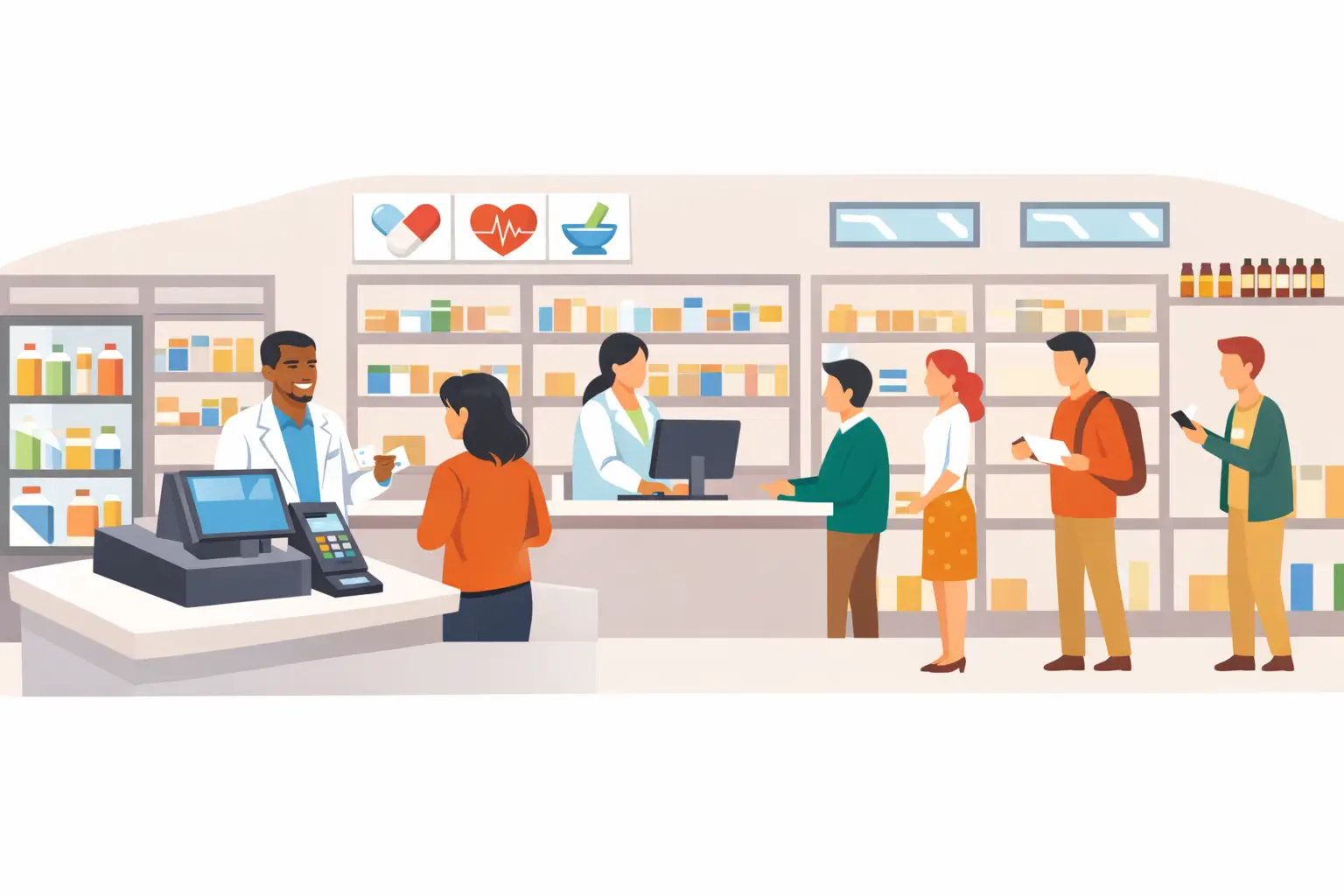
The retail landscape is undergoing a profound transition. Where stores once competed for location in a mall or strip center, drew arms over incentives and end cap placements, they now shift their focus to the emotional and practical needs of their consumer base.
This shift from a purely transactional retail program to that of a service-led environment is shaped by changing consumer expectations, increased technological advancements, and a universal focus towards wellbeing or health. In a marketplace that has such volatility from supply chain, to inflation, to the low barrier of entry, retailers that can’t maintain a sprint towards new, exciting, and updated will be forced to give up the fight and shutter their doors.
The Drive for Experiential Retail
While it seems doors are constantly shuttering, eighty percent of transactions still occur in a retail storefront. With that said, several converging forces have pushed retailers to reimagine the in-store experience in an effort to maintain the trend.
First, consumer expectation has evolved with digital trends providing discovery and education of new products, AI engagement creating connections and answering questions, and a mindless scroll through endless new brands. Technology has made for a richer, more personalized experience at scale, not only generating a boom in online shopping, but meeting the consumer standard with most products in hand the same day.
Thus, the physical store space must be able to provide an omni-dynamic showing of one-to-one customer service that is reinforced by tangible interaction – trying a product, consulting with experts, and the education of the consumer. Second, technology that was once only understood through a computer or phone must be brought forward bridging online research and offline purchases, using augmented or virtual reality for common practices such as try-ons and product outcomes.
Third, retailers must not only emerge with what is new in their stores but also deliver experiences and meet consumers where they are. ‘Location, location, location’ which was once a saying that reflected high visibility, large format, big box tradition, now falls to the wayside as retailers are committing to brand promises and connection immersing themselves in community.
The first to understand this practice was Starbucks, creating an atmosphere and environment that was welcoming, accessible for community interaction, relaxing and provided consumers with a feeling of home when they were welcomed into their doors. Starbucks provided a strategic layout designed to encourage browsing of merchandise, spots for a quick workspace, areas for lounging and laid-back conversations, all with the aroma of a pot of coffee playing on the psychological impact of dopamine release.
Starbucks understood the task of well-trained staff, consistency and reliability of new product expectations, and drove a feeling of premiumization that spoke to a specific demographic and made them feel a part of something exclusive. Since Starbucks revolutionized the field, common workspaces (We Work), in-store cafes (Capital One), and open-display products (Apple) have continued to move the needle and keep consumers in reach and coming back for more.
How Pharma Can Participate
Pharmaceutical organizations can add distinct value to experiential retail environments in ways that extend beyond product availability or selection. In a world of patient advocacy, self-diagnosis, and self-care, the pharmaceutical industry has shifted focus to the physical storefront to deliver access to care in an effective and efficient manner. At the core, clinical expertise, evidence-based guidance and product stewardship are valuable in settings where consumers seek actionable health information and services. The practical pathways for participation fall into three broad areas of clinical services, educational engagement, and integrated care.
Clinical service delivery. Pharmacies and health brands can anchor in-store clinical services that meet clear consumer needs and encourage appropriate care-seeking behavior. Examples include immunization clinics, point-of-care screenings (e.g., blood pressure, glucose), medication therapy management and adherence counseling.
These services increase foot traffic and deepen the therapeutic relationship, positioning the store as a trusted node in a consumer’s healthcare journey. Importantly, training protocols, multiple specialist oversight, and Pharmacist engagement provide for ongoing connection, development of brand loyalty, and incremental shopping behaviors for supplementation, comorbidities, and healthy living.
Educational engagement. Experiential stores provide controlled settings for patient education that can improve correct use, reduce misuse and increase confidence in therapies. Demonstrations—seen at storefronts such as Walmart, highlight disease state awareness, proper product administration and application, or device set-up workshops that translate expert guidance into practice. Educational content can be delivered through human interaction, AR/VR modules, digital kiosks or a QR-linked microlearning.
Carefully designed, factual educational materials that are clinically reviewed offer a high value exchange where consumers gain actionable knowledge while brands demonstrate responsibility and competence. This generates new to script patients, increased writing behaviors by healthcare professionals, and is a strong indicator of long-term adherence.
Integrated care pathways. Experiential retail also enables closer integration between consumer products, diagnostics and ongoing clinical support. Health-focused retail ecosystems can combine OTC offerings such as healthy foods, supplementation, and wearable tech and connect them to digital portals for ongoing care for consumers managing chronic conditions or preventive care goals. For example, a shopper who receives an elevated glucose reading at an in-store screening could be offered immediate counseling, a referral to primary care, or a telehealth appointment facilitated by the retailer.
These pathways require robust workflows, interoperability of systems where permitted, and explicit consent processes for any data sharing. However, the plus side is that with enhanced technological services, this process is efficient, effective, and easily streamlined between storefront, professional, and back in a closed loop from diagnosis to product administration.
Contextual Advertising Delivers OTC & Rx Care
Advertising that depends on persistent tracking of individuals is losing ground. Browser and platform changes, consumer expectations about privacy, and regulatory scrutiny have eroded the reliability and acceptability of behaviorally targeted ads. For pharmaceutical brands, which already operate in a tightly regulated promotional environment, contextual advertising offers a pragmatic alternative that aligns relevance with privacy and compliance.
Contextual advertising targets messaging to the content, location or moment in which a consumer (HCP, Patient, or Caregiver) is situated rather than to a persistent behavioral profile. In an experiential retail environment, context can be defined by the store zone a consumer is near, the content they are viewing in a kiosk or app, seasonal patterns (e.g., allergy season), or the health service they are engaging with.
This approach is particularly suited to health-related messaging because it reduces the risk of making intrusive inferences about an individual’s health status while allowing brands to be helpful and timely. It also provides a moment to address additional supplementation, monitoring, and additional OTC product offerings that will help with ongoing care.
Within the store, practical applications of contextual strategies in experiential retail include location-triggered educational prompts (a video on correct blood pressure measurement when a consumer approaches the BP kiosk), off the shelf media with QR or takeaway for additional information or connection to an online source, seasonally aligned campaigns that run adjacent to health editorial content, and screens strategically aligning to larger, more general demographics (i.e. weightloss media found in beauty care). Crucially, contextual advertising for pharma should prioritize informational value, deliver on holistic approaches to therapy inclusive of the Rx product itself, and drive consumer engagement.
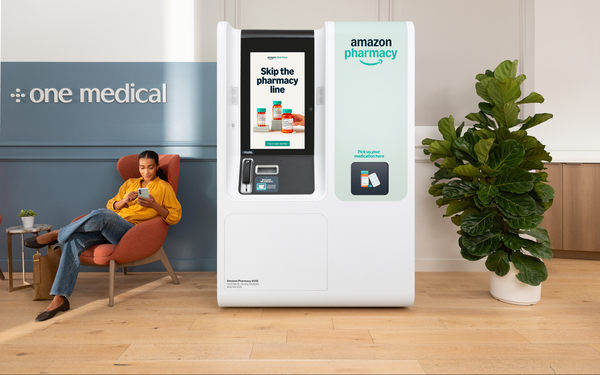
Integrating contextual advertising and in-store experiences
Large pharmacy chain retailers such as Walmart, CVS, Walgreens, and grocers such as Albertsons, Kroger, and more have made significant strides in developing their store experiences based on their retail media networks. These RMNs provide cross-category shopping understanding at front of store, pharmacy behavior data, and omni-channel learnings of how each banner’s consumers are engaging with the brand.
As a result, these big box staples have enhanced clinical services in-store (i.e. Little Clinic, Minute Clinic), drive community engagement through traveling medical service programs (i.e. Walmart Mobile Wellness) and have adopted shop-in-shops for services like eye care (i.e. Target, Walmart).
Through the development of strategically placed health services, media engagement becomes more widespread than ever before. Screens, print, and kiosks can reach HCPs, Patients, and Caregivers in a single doorway that leads a consumer from the front door, through an aisle, to the pharmacy, and closes the lifecycle as they see a final digital out of home billboard on the way back to their vehicles. Developing an ongoing communication drives brand awareness, engagement, and, in many cases, new behaviors – script writing by professionals, requesting of information from patients and caregivers. All to say, this journey can create better outcomes and greater adherence.
Contextual advertising and experiential retail are most powerful when integrated into a coherent, permissioned consumer journey, that first makes advertising feel useful rather than intrusive: messages are aligned with the consumer’s present intent or environment.
Second, it supports clinical objectives by reinforcing education and adherence. Third, it respects privacy by minimizing reliance on persistent profiles; targeting is based on momentary context and explicit consent. Finally, it creates measurable outcomes that matter: service bookings, screening participation, adherence program enrollment, and aggregated improvements in biomarkers can demonstrate both commercial and health impact.
Measuring success and scaling responsibly
Traditional digital marketing metrics seen upfront in the optimization process including impressions, clicks, last-touch conversions still remain a part of the picture, but they are insufficient to capture the value experiential retail and contextual advertising generate.
Measurement frameworks should emphasize outcome-oriented indicators looking at the number of consultations delivered, screening participation rates, vaccination uptake, brand lift studies, script lift, and enrollment in adherence programs.
Behavioral signals such as dwell time in experiential zones, content completion rates, and QR code engagement provide useful ancillary metrics. While measurement uses privacy-preserving techniques which provide aggregated reporting, geo-based lift studies, and control cohorts, learnings can include census-based data, population insights, and store indices that allow for greater targeting and altered communication styles and practices leading to growth over time.
Conclusion
The evolution of retail toward experiential, service-oriented formats presents a significant opportunity for pharmaceutical organizations to extend clinical value into consumer-facing environments. When executed with clinical rigor, privacy safeguards and a focus on contextual relevance, in-store services and contextual advertising can improve access to care, enhance patient education and adherence, and strengthen the role of retail as an important factor in a distributed health system managed through omni-channel services.
The path forward demands disciplines including medical oversight, privacy-by-design, and an advertising strategy that privileges context over invasive profiling. For pharma and retail alike, the opportunity lies in using media networks to best understand the core consumer, then creating experiences that are simultaneously helpful, safe and respectful, delivering the right message, in the right place, at the right time.
This piece was written by Jacob Harrison, Executive Leader, Retail Sales at Neptune Retail Solutions.
Jacob Harrison spent his early career in retail media working for big box stores like Party City, Toys R Us, and DSW as well as smaller media agencies. Over the last five years, Jacob has built retail teams spanning apparel, shoes, and pharma. During his time in Pharma, Jacob has been responsible for more than twenty one in pharma activations in partnership with leading US retailers in pharmacy and grocery spanning the development of new inventory, new practices, and non-endemic partnerships in omni-channel retail.